This project investigated the progress made by five EU member states — Croatia, Germany, Poland, Greece and Bulgaria — four years after the adoption of the EU's Clean Energy for All Europeans package.
This legislation was designed to pave the way for prosumers and collective clean energy projects to play a central role in Europe's new low-carbon energy system. Since 2019, national legislation has been drawn up in every EU country to enable community energy where it was previously unheard of, and to improve existing systems.
However, the five journalists and Deutsche Welle found that progress in Central and Eastern Europe is, at best, incremental. State-run energy utilities and conventional energy lobbies hold significant power and view community energy as a threat and a nuisance. However, determined energy activists have pushed for reforms and progress from below. There are now energy cooperatives in every country we researched; readers can learn about these in our five reports.
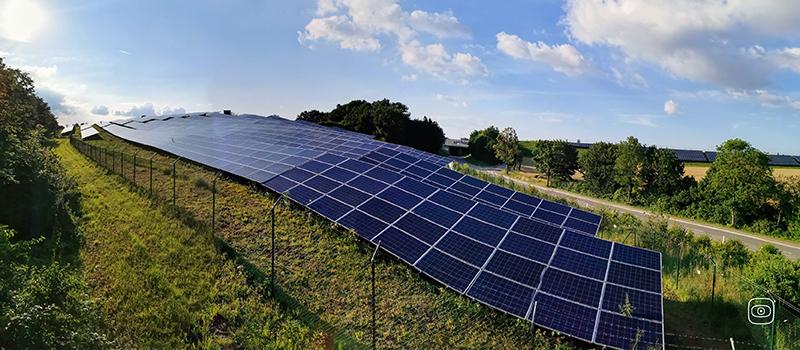
Photo: Bürgerenergie Rhein-Sieg eG/ Thomas Schmitz.
The team and project has been coordinated by Deutsche Welle Programmes for Europe, Deutsche Welle or DW is a German public state- owned international broadcaster funded by the German federal tax budget.