While indigenous rights are laid down in both EU and national legislation, Europe desperately needs mines to succeed with the green transition, achieve energy security and strengthen its defence and digital sectors in a geopolitically tense environment. At the same time, the feeling of exclusion fuels communities anger and legal measures are considered to oppose these projects.
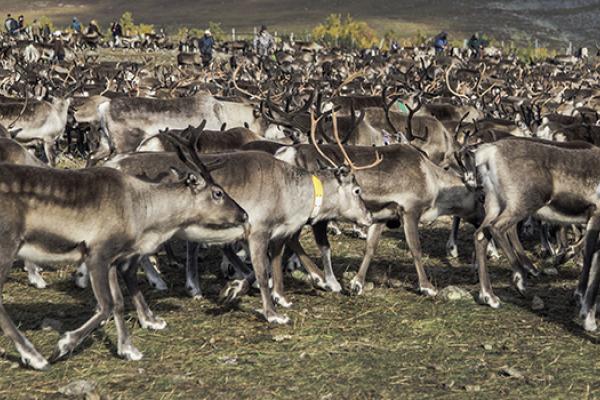
World views clash, policy fails to include all interests and mistrust grows. One such example is the stark anger of reindeer herders in Sápmi, in reaction to new mining projects. The team reported on this case to understand if local opposition to such developments is becoming a security issue for Europe, and how the conflicts can be solved.
The journalists met with politicians, energy experts, indigenous rights and legal scholars, activists and reindeer herders to highlight the complexity of the conflict. There is no easy answer, but this issue urgently needs to be addressed if Europe wants to reduce its energy dependencies on Chinese and Russian production and achieve energy security.
Key findings:
- The EU strategic projects in Repparfjord/Kiruna are seen both as essential for EU ambitions and as a threat to local Sámi traditions, leading to significant local conflicts and tensions.
- These conflicts reflect clashing worldviews, failed policies and growing mistrust.
- Local conflicts in Sápmi need to be addressed if the EU wants to achieve long-term energy security.
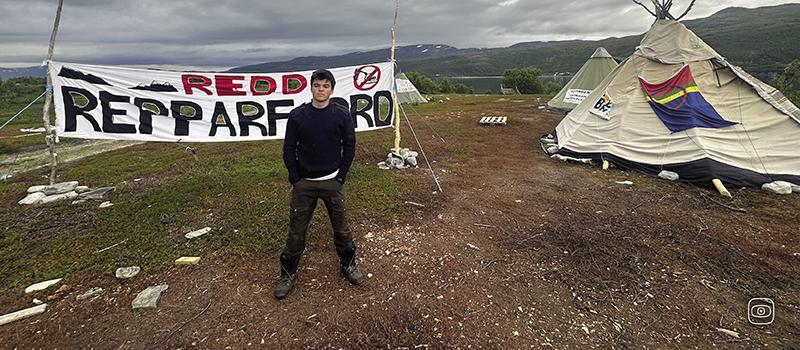
Image © Hannah Thulé: The midnight sun is keeping Isak Greger Eriksen (17) and his fellow activists up at night 70 degrees north, close to where the Nussir mine is planned.