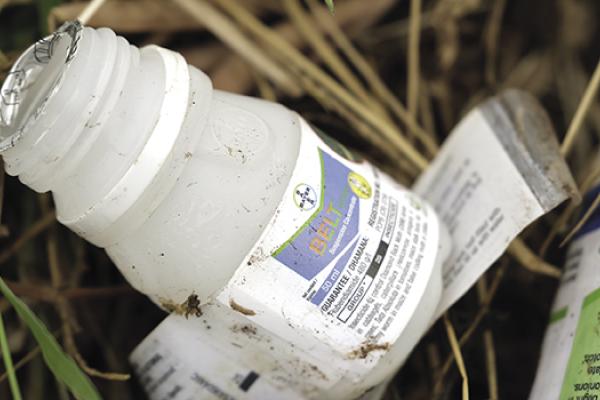
These pesticides, which contain hazardous molecules, have been identified as posing a risk to human health and the environment. Scientific studies have also proven that these molecules cause certain diseases, including some types of cancer.
Harmful pesticides banned in EU markets are being sold in Kenya and Cameroon. Manufactured by major chemical companies in Germany, the USA, China and India, these pesticides have raised concerns among experts who link them to health and environmental hazards.
This investigation, which took several months to conduct in Kenya and Cameroon, has revealed that several dangerous chemicals are widely sold and used by farmers, despite the fact that they are highly toxic.
In Kenya, some of these molecules are Acephate, chlorpyrifos, imidacloprid, carbendazim and mancozeb. In Cameroon, they are Captafol, dinoseb acetate, dinoseb, binapacryl, cyhexatin, dieldrin, aldrin, heptachlor and Carta.
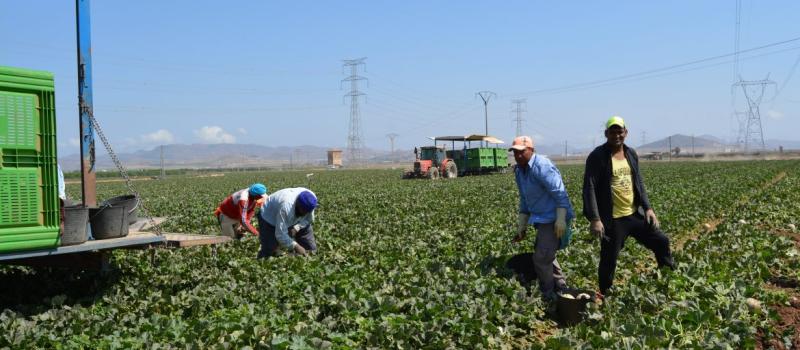
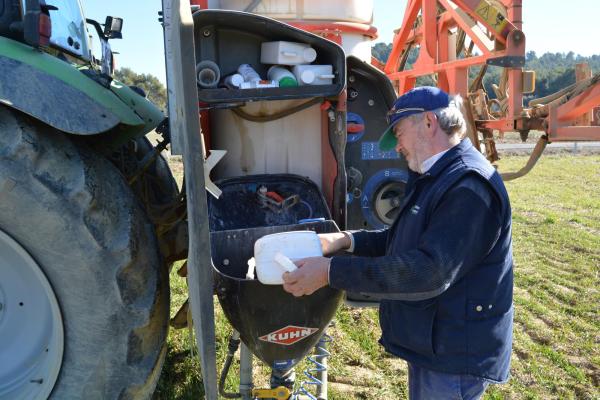
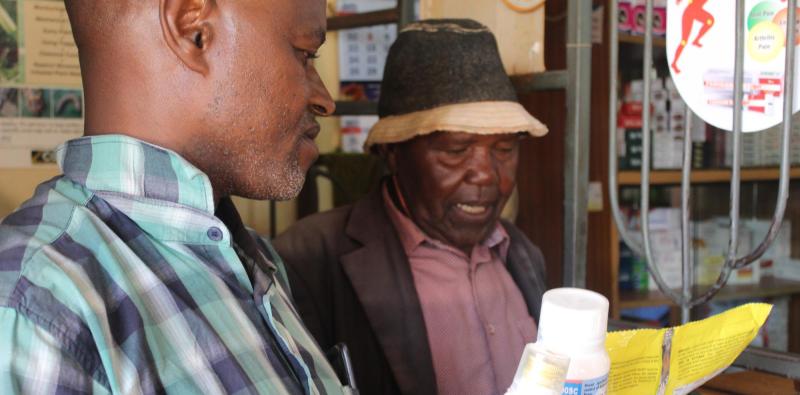
Small-scale farmers, who have no option but to make a living through farming, can easily access pesticides from their local agro-dealers.
Rising cancer incidences and a reduction in pollinator populations in many African nations have been linked to pesticide residues.
While these pesticides continue to be used, gaps in research pose a significant threat to the development of informed legislation, as it is difficult to determine the levels of pesticide residue on crops.
© Mary Mwendwa