
This cross-border investigation examines the ecological and economic role of Eurasian beavers in Croatia and Slovenia, focusing on river systems within the Danube and Sava basins. While compensation schemes systematically record agricultural and infrastructural damage caused by beavers, their hydrological and climate-adaptation benefits remain largely unmeasured and excluded from public budgeting and policy evaluation.
Drawing on official compensation data from the Croatian Ministry of Agriculture (2015–2025) and comparable Slovenian sources, field reporting, and interviews conducted within the framework of the LIFE BEAVER project, the investigation contrasts documented local costs with wider ecosystem services. These include flood peak mitigation, groundwater recharge, nutrient retention, sediment capture and biodiversity restoration.
By comparing compensation figures with hydrological research and international examples (Switzerland, United Kingdom, United States), the project questions why beavers are not recognised as "green infrastructure" within EU water management, agricultural policy and climate adaptation strategies. The core finding is structural: benefits are diffuse and long-term, while damages are local and visible — and therefore politically prioritised.
Key findings:
- In Croatia and Slovenia, slightly over one hundred beaver-related damage claims were recorded between 2015 and 2025, with total compensation of approximately €70,000.
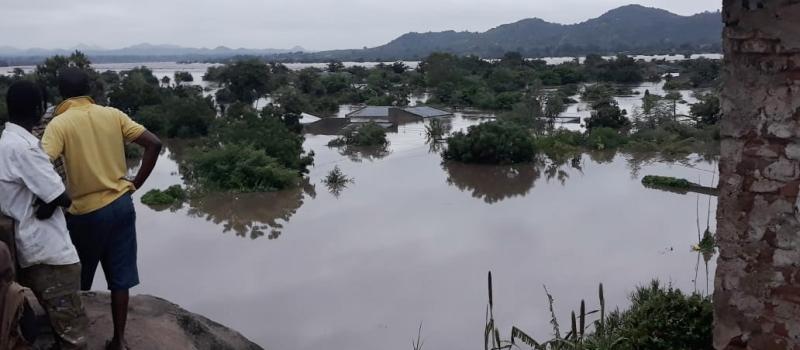
- Hydrological studies show that beaver dams increase local water retention, reduce peak flood flows and enhance groundwater recharge.
- Beaver wetlands retain nitrogen and phosphorus, reducing diffuse agricultural pollution downstream.
- Benefits extend across administrative and national borders within the Danube basin, while costs remain localised.
- Current monitoring systems focus on population size and damage, not on measurable ecosystem services.
- No systematic valuation of beaver-related ecosystem services is currently integrated into EU or national climate adaptation plans.
Methology:
The investigation combines:
- Field reporting in Croatia (Novigrad na Dobri), National Park Kopački rit, and Slovenia (Dolenjska);
- Analysis of official compensation data (Croatian Ministry of Agriculture, Slovenian public data);
- Interviews with project leaders and scientists involved in LIFE BEAVER (Croatia and Slovenia);
- Review of peer-reviewed hydrological and ecological research on beaver impacts;
- Comparative policy analysis from scientific papers of Switzerland, the United Kingdom and the United States;
- Examination of EU policy frameworks (Water Framework Directive, Common Agricultural Policy, climate adaptation strategies) to assess whether beaver ecosystem services are formally recognised.
- The analytical approach follows a solutions journalism framework, focusing on measurable outcomes, limitations, costs, and transferability.
Data:
- Croatian Ministry of Agriculture – official beaver damage compensation records (2015–2025).
- Slovenian public compensation data (annual summaries).
- LIFE BEAVER project monitoring outputs (Croatia and Slovenia).
- Where legally permitted, datasets will be shared in spreadsheet format to enable reuse by journalists and researchers.
Photo by Matjaž Tančič. LIFE BEAVER project manager Martina Vida holds a stuffed beaver used in educational workshops at the Lutra Institute for the Conservation of Natural Heritage.