The European Union Emissions Trading System (EU ETS), a cornerstone of the bloc's strategy to reduce its emissions and become climate neutral by 2050, is a mandatory carbon emission trading scheme, under which polluters must pay for how much carbon dioxide they emit annually. Designed to incentivize firms to transition away from fossil fuels, the entire system relies on data reported by these same polluting facilities, along with little-known verification companies paid by the same operators who they are supposed to hold accountable. Reporters spent more than a year investigating how companies estimate and report their emissions to the EU. They found a system shrouded in secrecy and riddled with loopholes, as well as risks of conflicts of interest — potentially allowing companies to under-report their emissions and save millions in EU taxes.
Key findings:
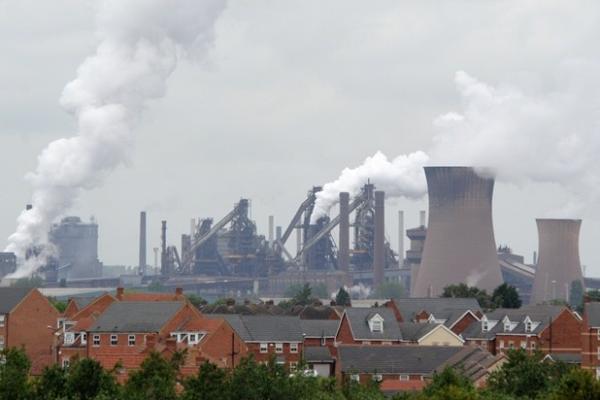
- In Italy, an ongoing investigation is targeting Acciaierie d’Italia (ex Ilva) for alleged fraud against the State and EU, accusing its management of falsifying documents to obtain emissions allowances under the EU Emissions Trading System (ETS). Investigators found discrepancies between CO₂ emissions reported to the EU registry and those in the company’s 2022 Sustainability Report, as well as unexplained changes in inventory valuation. Prosecutors believe these practices allowed AdI to set aside millions of euros improperly (Italy, first part of the series).
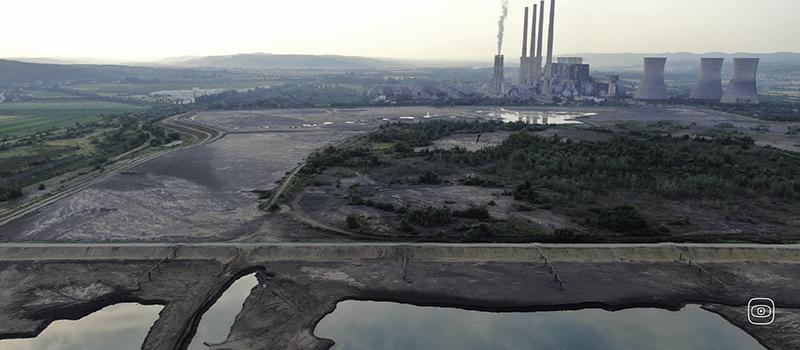
- In Romania, Complexul Energetic Oltenia has consistently reported emissions below the average of other lignite-fired power plants operating in the EU — a figure that is difficult to explain given the poor quality of its coal. The investigation also raises concerns about the reliability of the data provided by an accredited laboratory owned by the company itself. Reporters found that, by potentially under-reporting its emissions, the company may have saved hundreds of millions in carbon taxes
- Czech authorities have reported figures showing that the brown coal used by its facilities emits less CO2 than black coal, which experts say is not plausible. Due to a lack of transparency in the country, however, reporters were prevented from investigating the specific facilities involved.
Image © Andrei Ciurcanu (OCCRP)