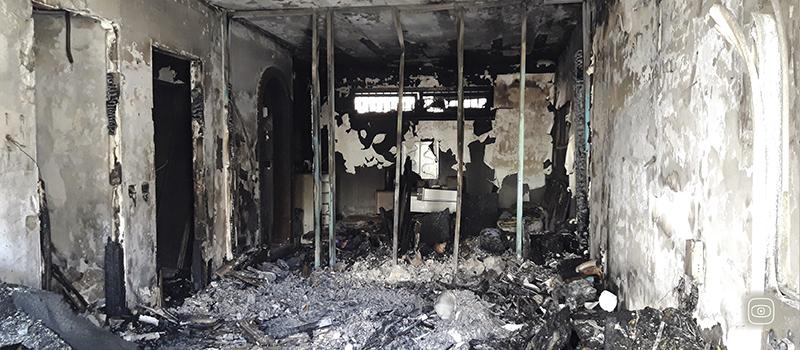
The remnants of a charred home that displaced a family of five in Palermo
© Stefania D'Ignoti

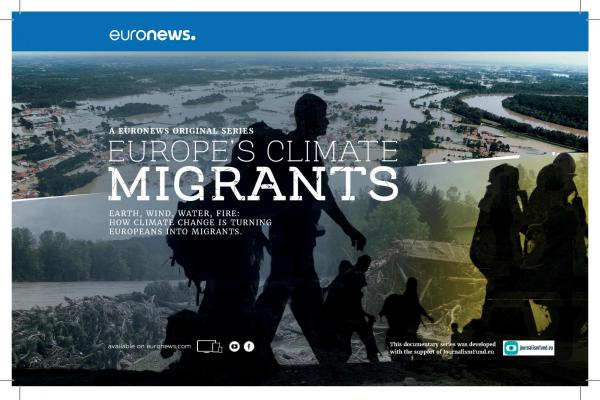
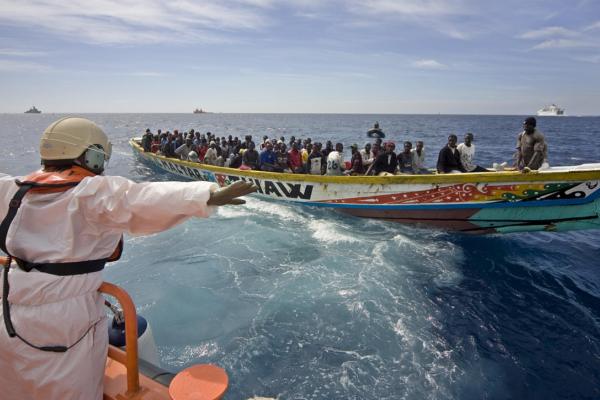
PALERMO/ FARKADONA - Since 2015, Greece and Italy have been at the forefront of the European refugee crisis. As major gateways into the EU, both countries have faced the immense challenge of receiving displaced people, all the while grappling with political pressure, limited resources, and increasingly restrictive migration policies. But what would happen if the roles were reversed and citizens of these same nations, which have long experience with incoming displacement, were forced to flee?

This cross-border collaboration examines why Greek and Sicilian authorities, despite having years of experience in managing large-scale migration, remain ill-prepared to confront climate-driven displacement within their own borders. Based on field reports from flood-hit Thessaly and areas affected by wildfires in Sicily, the project explores the human cost of inaction on climate change and failures in adaptation.

At the heart of this project are the stories of people displaced or at risk of displacement due to extreme weather events, such as farmers who have lost their land, families who have been forced to move into temporary housing, and communities that are struggling to cope with repeated evacuations. Through interviews, photography, and on-the-ground-reporting, we report on how individuals and local authorities are coping and where systems are failing.

The investigation weaves together individual experiences and an analysis of national and EU policies, funding mechanisms, and adaptation strategies. It asks whether a decade of crisis management has equipped these frontline states to meet the climate emergency, or whether overlapping displacements are exposing deeper political fault lines.

Impact

The articles of this project struck a chord and sparked debate about climate vulnerability, migration narratives and state responsibility. In December 2025, journalist Lydia travelled back to Thessaly to speak at three community events focusing on this story and related investigations. These events highlighted the project’s role in bridging the gap between journalism and public dialogue. One of the most meaningful outcomes was receiving feedback from residents of Farkadona who said that they had learned about their region’s history of displacement and the state’s failure to deliver well-funded housing projects for displaced populations. Residents of this municipality and surrounding villages shared the piece extensively, noting that it captured both their lived reality and the broader political implications of their displacement. In the Thessaly region, the story has contributed to public discussions about state accountability, stalled reconstruction efforts, and the long-term future of rural communities facing repeated disasters. It has also sparked broader media interest.

Image: The remnants of a charred home that displaced a family of five in Palermo during the summer 2023 wildfires/Credits: Stefania D'Ignoti
Team members

Need resources for your own investigative story?

Journalismfund Europe's flexible grants programmes enable journalists to produce relevant public interest stories with a European mind-set from international, national, and regional perspectives.

Support independent cross-border investigative journalism

We rely on your support to continue the work that we do. Make a gift of any amount today.