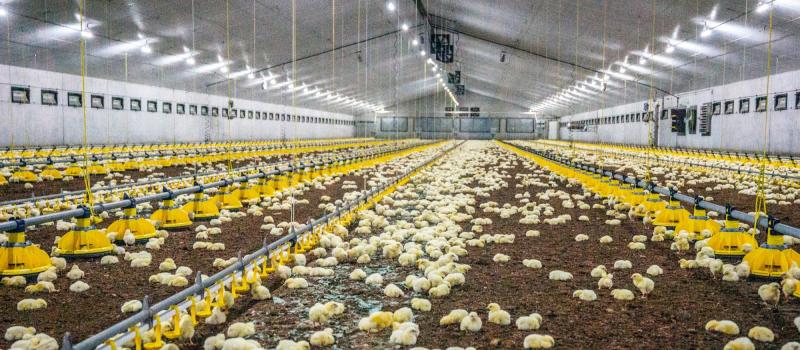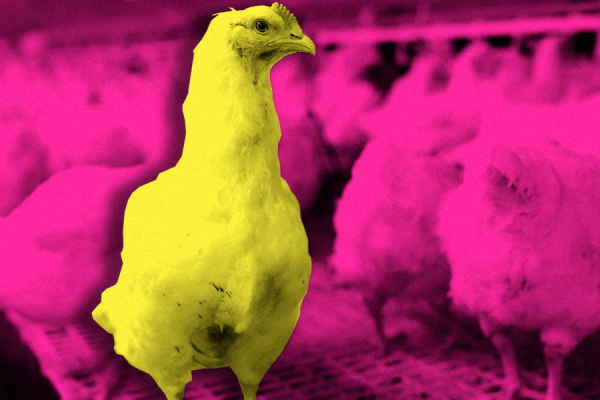
Pig and poultry mega-farms in Galicia have filled the Limia/Lima, a river shared with Portugal, with nitrates and harmful bacteria, threatening ecosystems and the health of those living on its banks.
Key findings:
- Spanish authorities knew about the contamination for over a decade and failed to stop it. In 2016, the basin’s own hydrological plan warned that the polluted As Conchas reservoir could carry nutrients and cyanobacteria across the border into Portugal. In July 2025, the High Court of Justice of Galicia ruled that the Xunta de Galicia and Spain’s river basin authority had violated residents’ fundamental rights because they failed to rectify the situation despite knowing about the increasing water degradation.
- Preliminary evidence suggests contamination has reached Portuguese waters. Independent sampling at the Lindoso reservoir, carried out with researchers from the Complutense University of Madrid, found potentially toxic cyanobacteria at bloom levels and high concentrations of bacteria of probable livestock origin. We are waiting for the genetic analysis to confirm the results and provide more information.
- Portugal is not carrying out the monitoring its own criteria require. The Lindoso and Touvedo reservoirs (the latter of which provides water to tens of thousands) are officially reported as having good ecological potential. Yet in all the years of public monitoring data, there is not a single record of the phytoplankton measurements that Portugal’s own classification criteria call for. The president of the Portuguese Environment Agency (APA) told us these analyses are only carried out on an ad hoc basis, when circumstances justify them. Scientists criticise the methodology.
- The Xunta de Galicia has yet to take the measures ordered by the court. The ruling required the authorities to act immediately, including by implementing a moratorium on new livestock farms in A Limia, but authorities seem to have made almost no structural changes.
- Galicia has spent decades without designating any nitrate vulnerable zones (NVZs) and keeps delaying the process. In 2022, the Galician government said it could not do so until Spain’s government formally identified the waters affected by nitrate pollution, which happened in May of that year. More than four years later, Galicia’s government still hasn’t declared NVZs.
- Industrial livestock farms are under-inspected and keep receiving public funds despite shortcomings in inspection results. Of the published inspection reports on industrial livestock farms in Ourense (2013 – 2024), only 5% found full compliance. Over the same period, farms in the giant Coren group, which were mostly rated at a “medium” level of compliance, were granted millions of euros in public subsidies and EU agricultural payments.
- Farm insiders describe manure being dumped directly into the river. A Galician pig and poultry farm owner acknowledged, on the record, his share of responsibility for the river’s pollution, describing how the staff at his farm would sometimes dump tonnes of manure directly into the river. A former worker at another farm told us, anonymously, that antibiotics, dead animal parts (sometimes carrying diseases) and chemical products were mixed into the manure spread on fields as fertilisers, which could end up in the Lima/Limia river.
Methodology:
The investigation combined document research, field reporting and independent scientific sampling. We submitted several FOI requests to environmental agencies and national, regional and local governments on both sides of the border, analysed official water-quality data for the river basin, including over 20 years of monitoring records for the Portuguese reservoirs of Lindoso and Touvedo, as well as river basin management plans, Albufeira Convention commission records and the 2025 ruling by the High Court of Justice of Galicia. We interviewed over 30 residents, scientists, activists and officials on both sides of the border, including the president of the Portuguese Environment Agency, as well as farm owners and workers. Additionally, we partnered with researchers from the Complutense University of Madrid to carry out independent sampling at the Lindoso reservoir, on both sides of the border. Finally, we mapped the ownership of 51 industrial livestock operations and cross-referenced them with EU agricultural payments, public subsidy records and 118 inspection reports.
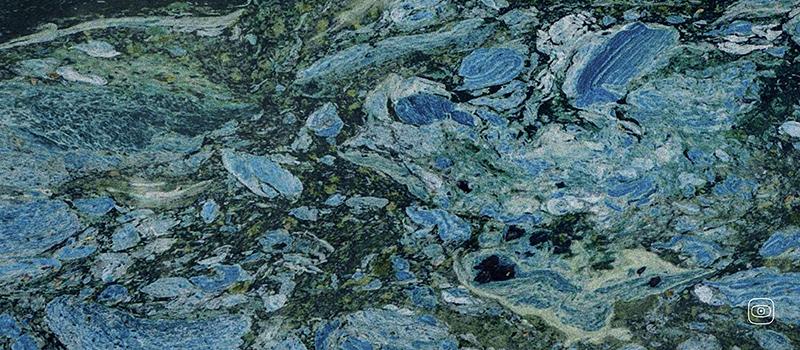
Image by Toni Álvarez (photo) and Joana Batista (design): Cyanobacterial scum covers the surface of the As Conchas reservoir, in Galicia, Spain, 2011.