The main downside of hydropower, the EU's third-largest renewable electricity source, is the substantial damage that hydroelectric plants and their dams are doing to rivers, their plants and animals. In this environmental bargain between energy and the environment, one of the only tools developed for the protection of rivers’ ecosystems is the minimum ecological flow, a scientifically recommended amount of water that should be released to the rivers in order for ecosystems to survive and thrive. This is a protective measure that should be respected by the hydropower plants to keep rivers and biodiversity healthy. But allowing adequate flow of water lowers electricity production and therefore profit.
The EU’s Water Framework Directive aims to bring all European waters to “good status” by 2027, but does not specify how e-flows should be set. In practice, every country has its own way of doing so.
The team followed this gap across Croatia, Slovenia, Austria, Germany and Bosnia and Herzegovina. Many hydropower plants run on permits issued long ago, and some of these never required them to release any water at all. Some countries still don’t have clear regulations for establishing e-flows; HE plants are often allowed to establish their own strategy that differs from scientific recommendations; e-flows are often set as a single fixed minimum for the whole year, and transparency in monitoring is lacking.
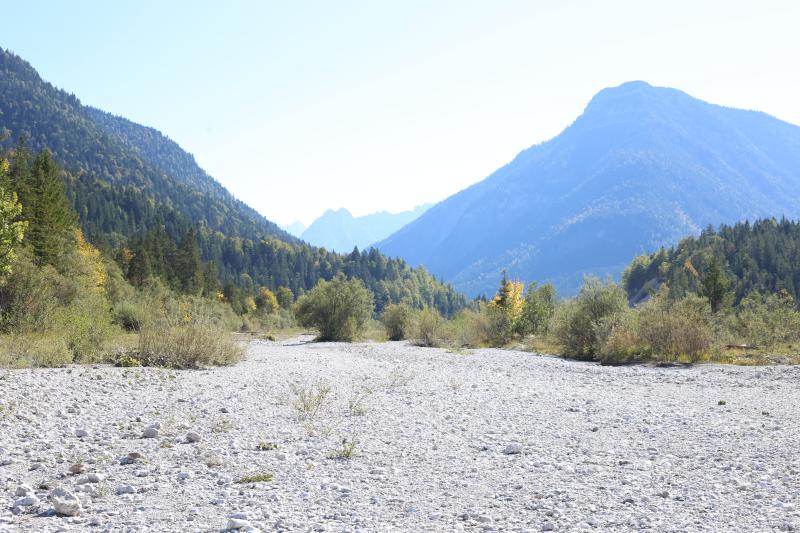
Ecosystems are increasingly paying the price of this malpractice. Over time, the damage to the river builds up: fish stocks are damaged, ecosystems are disrupted, and stretches of river are left almost dry or more prone to floods. The burden falls on communities that rely on healthy rivers.
Even worse, this problem is likely to intensify with climate change. In the summer of 2026, as record temperatures hit much of Europe, low water in our rivers disrupted shipping, irrigation and ecosystems. As dry periods intensify, people, industry and nature are competing for less and less water, and maintaining minimum ecological flow is to become an even bigger challenge.
Key Findings
- The EU Water Framework Directive implies that e-flows are needed but does not say how to set them. A European Commission’s 2025 report calls slow and inconsistent progress on e-flows “a source of strong concern”.
- A hydropower plant’s obligations come from its permit, not from the e-flow set for the river. Plants with old water rights may have no obligation to release any water and in some cases, even the modernisation of plants doesn’t guarantee that the measure will be implemented.
- E-flows are often a fixed minimum all year, or they are based on superficial analysis paid by the plant's owner, which often differs from independent scientific recommendations and findings for a particular river.
- Different e-flow values are often set for the hydropower plants on the same river, and cumulative effects are not considered.
- Hydropeaking, which strands fish larvae and flushes away river organisms, and in some extreme cases endangers lives and buildings, is mostly left out of e-flow rules across Europe. Many scientists call for more dynamic flows, which are harder to implement in practice.
- Different countries have different e-flows monitoring systems - and the e-flows implementation is often not monitored at all or there is no transparency about how the monitoring is done.
Methodology
The team reviewed EU and national legislation and policy documents, including the Water Framework Directive, the 2015 EU guidance document on ecological flows, and the European Commission’s 2025 implementation report. They also reviewed environmental impact assessments and hydropower permits where available.
Data on implemented e-flows is rarely published, so we sent questions to the major hydropower operators in Austria, Slovenia and Croatia about their e-flow requirements. The team went through different independent scientific research and reports about flow and the hydrological and ecological status of different rivers with HE plants.
The team used Austrian government research and looked into different scientific arguments on how much generation e-flows cost. They interviewed dozens of people: hydrologists, ecologists, biologists and policy researchers, environmental organisations, local people, and put questions to hydropower operators officials in Croatia, Bosnia and Herzegovina, Austria, Germany, Slovenia. They also conducted field research and visited affected stretches of rivers.