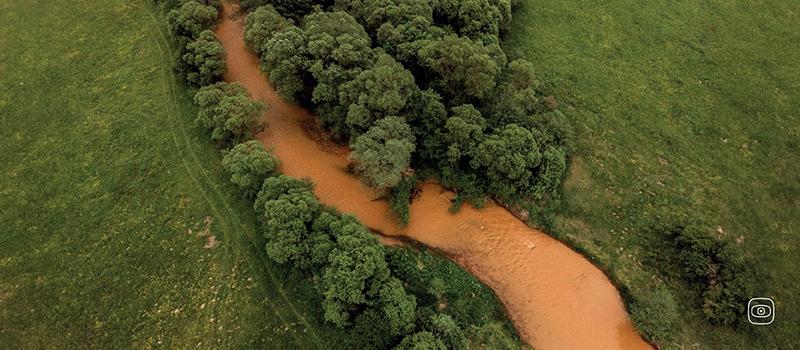
In 2022, the Sajó River, which flows from Slovakia into Hungary, became the site of one of Central Europe's most serious environmental disasters. Mine water containing arsenic and other heavy metals entered the river system, threatening ecosystems and raising concerns among communities living along its banks. Although emergency measures were introduced, many questions surrounding responsibility, transparency and the long-term environmental consequences have remained unanswered.
This cross-border investigation by Borsod24 and Parameter.sk revisits the disaster several years later to assess what has changed. Through independent laboratory testing, field reporting, interviews with experts, environmental organisations, public officials and local residents, as well as extensive document analysis, the project examines both the causes of the disaster and the current condition of the river.
Beyond reconstructing the events of 2022, the investigation explores whether institutional responses were sufficient, whether pollution risks continue to exist, and what practical measures could prevent similar environmental disasters in the future. By combining scientific evidence with human stories from both sides of the border, the project aims to strengthen public accountability and improve understanding of cross-border environmental protection.
Key Findings
- The 2022 Sajó River contamination exposed significant weaknesses in environmental monitoring and institutional preparedness.
- The disaster affected communities in both Slovakia and Hungary, demonstrating the cross-border nature of environmental risks.
- Independent laboratory measurements are being used to compare current water quality with previous official data.
- Local residents continue to raise questions regarding transparency, communication and long-term environmental impacts.
- Experts highlight the importance of improved monitoring systems and stronger international cooperation to prevent similar incidents.
Methodology
The investigation combines documentary research, field reporting, cross-border collaboration and independent scientific verification. The reporting team analysed official documents, historical reporting, environmental data and public records, while conducting interviews with environmental experts, local residents, civil society organisations and public officials. Independent water samples were collected at multiple locations and analysed by an accredited laboratory. The results are compared with previous official measurements and interpreted with expert assistance. The project also includes on-location video reporting documenting the affected areas and the experiences of local communities.