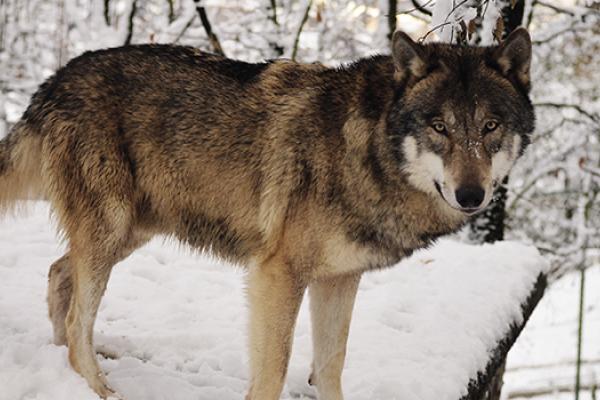
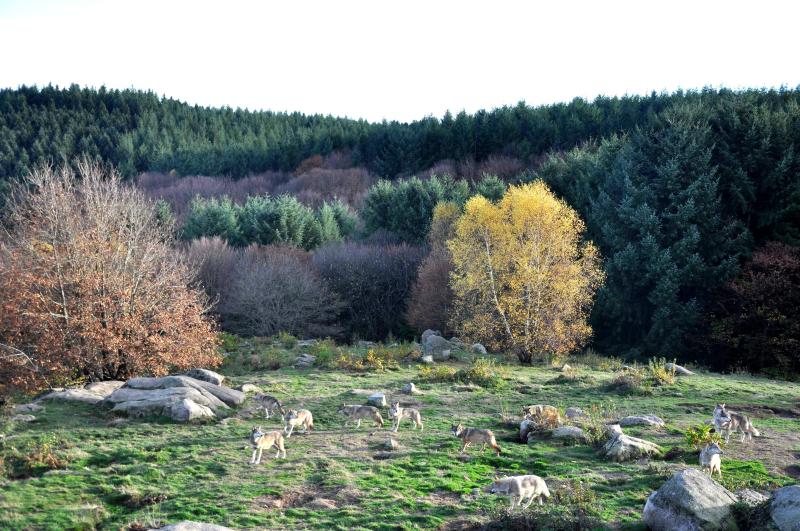
On a cold winter day, Nuka arrives at the Wolf Conservation Association's sanctuary in southeastern Belgium. The young wolf was four months old when he was found alone in Bavaria. What happened to his pack remains unknown.
Even in Germany, known for its strict nature monitoring, animals can disappear without a trace. This demonstrates the crucial importance of reliable monitoring. Without hard data on numbers and causes of mortality, conservation remains a gamble. Yet, this uncertainty contrasts sharply with the species' broader success story. The wolf is considered the largest recovery project in European nature conservation. In 2023, the population was estimated at around 23,000 animals, a 35 percent increase since 2016.
Numbers have grown dramatically, particularly in Central Europe and the Alps. Biologists speak of ecological recovery, but resistance is growing in rural areas. For livestock farmers and hunters, the return of the wolf is not so much an ecological issue, but rather an economic and political one. The debate surrounding the wolf's return is also flaring up again in Flanders. Both Minister of Animal Welfare Ben Weyts (N-VA) and Minister of Agriculture and Environment Jo Brouns (CD&V) advocate for more 'flexibility' in management, while the number of animals remains limited.
She-wolf Emma roams the border area of the Kalmthoutse Heide, and Limburg resident Noëlla, along with her cubs, forms the most famous pack in Flanders. Father Maurice likely did not survive an attack on a show jumping horse. But the seven cubs are known to be in good health. This is thanks to systematic monitoring by the Research Institute for Nature and Forest (INBO).
Since the EU downgraded the wolf's protection status from strictly protected to protected, monitoring has taken on a new strategic significance. It is no longer just about ecological knowledge, but about administrative power: whoever provides the data determines the boundaries of management, and thus indirectly, also of hunting.