Europe's hydrogen strategy was pitched as a local industrial revival: clean fuel, made and used close to home, replacing fossil imports with homegrown green molecules. Four years on, that vision has quietly shifted into something more geopolitical. Governments and incumbents are re-routing the narrative towards imports, pipeline repurposing and long-distance corridors, while the companies best placed to benefit are the same gas and energy majors that dominated the fossil era, repositioned as the indispensable infrastructure operators of the "green" one.
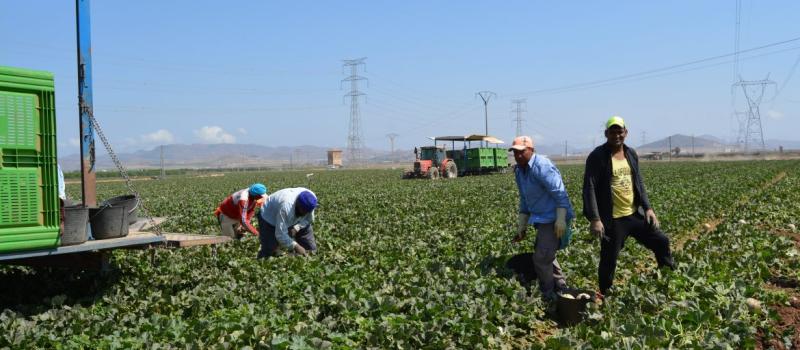
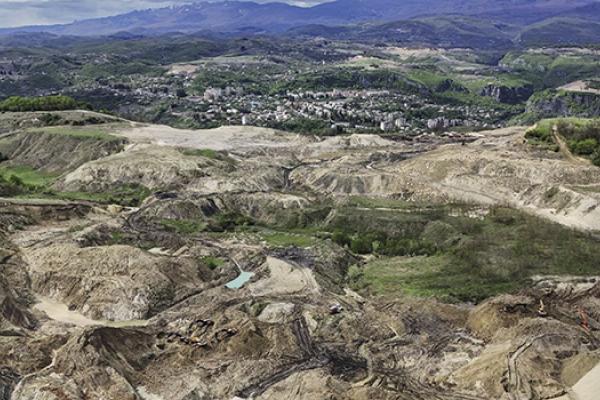
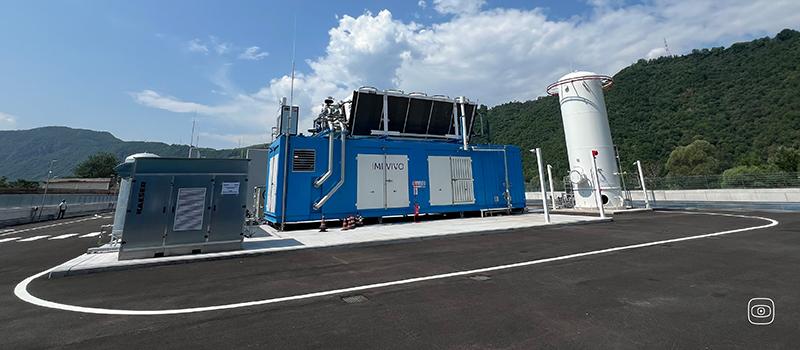
In Germany, regulatory uncertainty is prompting even some funded projects to walk away from public money, while industry consolidates around new lobbying blocs pressing collectively for more state backing, a sign that the sector's centre of gravity is shifting from many small players to a handful of large ones. In Spain and the Czech Republic, the gap between political ambition and delivered infrastructure is exposed by cancelled projects and contested job claims, revealing how easily industrial promises outpace reality on the ground, and how local communities are left to weigh the costs - land, water, disrupted ecosystems - against benefits that often fail to materialise. In Italy, national policy has pivoted from local production to positioning the country as a transit hub between North Africa and Central Europe, keeping legacy gas infrastructure, and its operators, relevant for another generation rather than displacing them.
Across all four countries, a similar pattern recurs: hydrogen infrastructure is increasingly shaped to serve strategic and political interests, not only proven industrial demand, with incumbents often using the transition to entrench, not disrupt, their position - and public subsidy at risk of acting less as a bridge to a new market than as a lifeline for the old one.
Key findings
- European hydrogen policy is drifting from local, demand-led production towards geopolitical positioning - securing import routes and transit status over genuine domestic capacity.
- In Germany, some funded projects are being abandoned over regulatory uncertainty even as incumbents form new lobbying alliances for further state support.
- National ambition is being quietly scaled back in several countries, with targets loosened well behind original goals.
- Flagship projects in Spain and the Czech Republic have met local resistance or outright failure, undercutting the narrative of a locally beneficial, job-creating transition.
- In Italy, strategy has shifted from local valleys to positioning the country as an indispensable transit corridor, keeping existing gas infrastructure central to the "green" transition.
- Incumbent players repeatedly occupy dual roles as both lobbyists and beneficiaries of the funding rules they help shape - a structural conflict of interest across several countries examined.
Methodology
Findings combine desk research into EU and national funding frameworks and project registries with original interviews across the four countries - company spokespeople, industry associations, local officials and environmental groups. Claims about project status were cross-checked against multiple independent sources where possible, including site-level reporting and official documentation.