
The long-term effects of the volcano's eruptions have a double impact on local communities: continuous exposure to volcanic ashes can cause long-term respiratory issues and environmental pollution; but on the other hand, if well handled, ashes can represent an unexplored resource in the agricultural and sustainable construction fields.
This cross-border project explored the impact on local communities in both islands, focusing on health risks mitigation and environmental hazards management. By comparing and contrasting responses from these two volcanic regions the story offers insights into disaster preparedness and public health management, highlighting community resilience and adaptive strategies to find sustainable solutions.
Key findings:
- Volcanic ash can easily turn from waste to resource in the fields of construction, agriculture or water purification, as advised by EU legislations and demonstrated by the example of the Kyushu prefecture in Japan. However – despite decades of preparedness opportunities and chances to test this sustainable approach on a wider scale upon demands of local communities – local governments in both Sicily and Iceland are failing to implement that, despite their public claims.
- Municipalities on both islands are supposed to organize the monitoring and collection of ash, providing collection points and instructions to citizens on how to dispose of it. But in practice these measures have many flaws in both countries. Although local authorities in Iceland have prioritized safety and community-based, sustainable disposal of ashes, the measures have proved not to be as effective. Studies show that the prevalence of respiratory symptoms, like asthma and chronic bronchitis derived from fine ash particles found in the lungs of certain patients, has increased over the past decade in the urban, more densely-populated Reykiyavik area. Sicily, on the other hand, has only advertised similar efforts to handle ashes, but hasn't concretely put them in place yet. In the province of Catania, scientists have conducted research on the rise of respiratory infections connected to the involuntary breathing of volcanic ashes waste, and have warned of the dangers of bad environmental governance.
- Civil society in Iceland and Sicily is extremely different, yet they face common conflicts when it comes to volcanic ash management. The emergency focus of what is in fact a systemic issue, is failing local populations. Volcanic ashes are seen solely as a disruption in Sicily and Iceland, which they are, as they negatively impact daily lives, economic activities and health. This investigation proved that they can be more than that, even though a lack of political will in both regions has failed to exploit the full potential of ashes and provide support for local communities, while farmers on these far sides of Europe have clearly demanded more social and financial support.
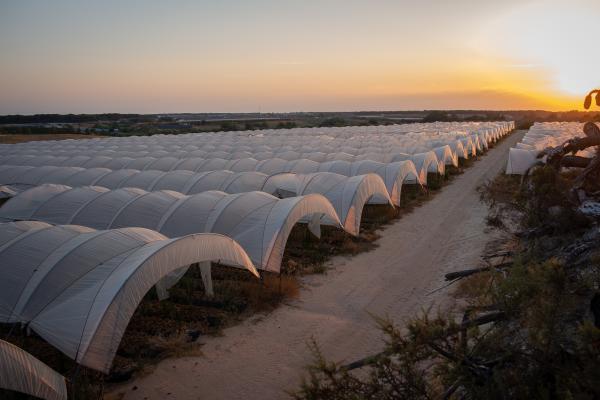
Image by Stefania d'Ignoti: Fertilising farmland in Sicily with volcano ashes to fill institutional waste management gaps.