Since February 2022, the European Union has adopted package after package of sanctions to cut trade with Russia. Yet one Russian-made chemical has kept travelling across Europe to a factory near Alessandria, in northern Italy.
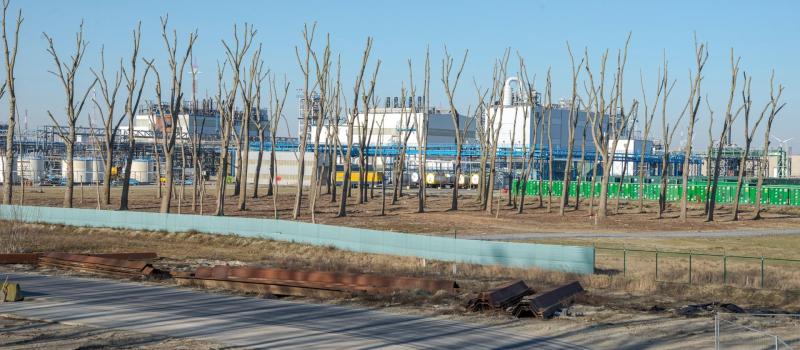
The substance is 8-CNVE, a PFAS monomer used to make heat-resistant rubbers for aerospace seals and military vehicles. It is produced in St Petersburg by Anles, a company owned by the Kogan family and, according to import records, the only producer of this compound in the world. Its buyer in Italy is Syensqo, formerly Solvay, at its Spinetta Marengo plant.
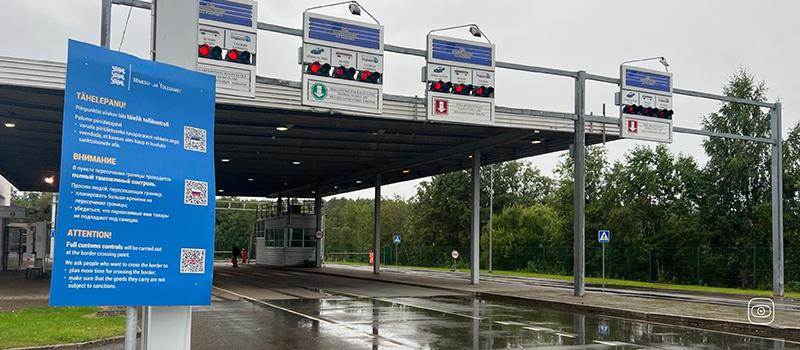
The route is long and deliberately layered. The chemical leaves Russia in specialised leased containers, enters the EU through Estonia, crosses the continent by road and is sold through an intermediary: first Ftoran, registered at a private house in Birkenau, Germany, and from September 2022 Elastofluor, based in Israel.
The war did not stop the supply. From autumn 2023 the price of 8-CNVE exported to Europe rose to eight times its earlier level, a sign of a shrinking and riskier market, but Syensqo kept buying. In July, new EU sanctions targeting nitriles brought this kind of trade directly into question.
Across three episodes, this investigation reconstructs the supply chain, asks who knew where the chemical came from, and examines what companies along the route, and Italy itself, now risk.
Key findings
- A PFAS monomer produced only in Russia, 8-CNVE, continued to reach Syensqo's plant in Alessandria after the invasion of Ukraine.
- Shipments enter the EU through Estonia and cross Europe by road before arriving in Italy.
- Sales run through intermediaries: Ftoran in Germany, replaced in September 2022 by Elastofluor in Israel.
- The first recorded shipment to Alessandria dates from November 2021: 200 kg net, worth more than €230,000.
- From autumn 2023 the export price to Europe rose up to eightfold, yet Syensqo continued to buy.
- Syensqo registered 8-CNVE with ECHA in 2024 and filed the safety data sheet with local authorities in Alessandria around two years later.
- New EU sanctions on nitriles, adopted on 25 July, raise questions about the legality of the trade and the responsibility of each company in the chain.
Methodology
The team began with trade data from the Import Genius database, searching shipping records under Anles's Russian company name. These documents list the supplier, buyer, intermediary, quantities, value and country of transit for each consignment. The team then cross-checked them against the ECHA registry, Italian local authority records, company registers in Russia, Germany, Estonia and Israel, and patent filings. The team reviewed confidential emails and carried out field reporting in Birkenau and Heidelberg, Germany, and along the Estonian–Russian border. The team then sent detailed questions to the companies involved, including Anles, Ftoran, Elastofluor, Syensqo, Arcese and Eurotainer, and interviewed experts on sanctions law and EU trade.