SP_PM4D_201
© TuLodz.pl / Patryk Kwieciński

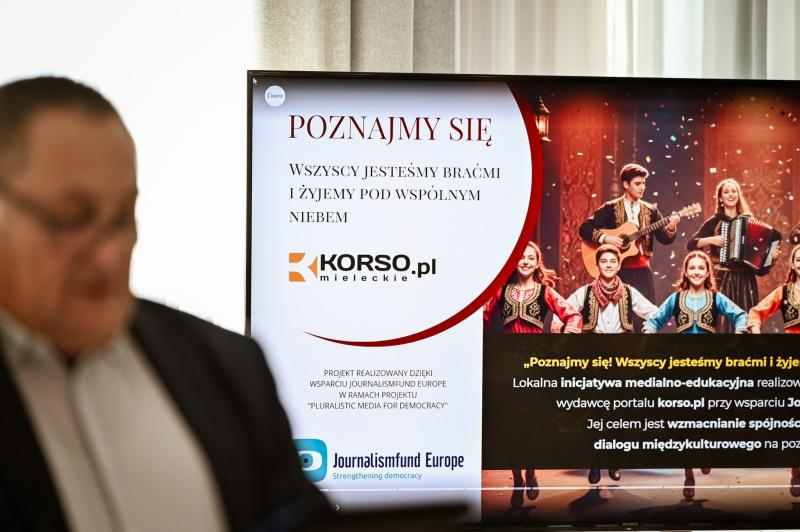
MIELEC – AWR Korso turned a largely absent local topic into a sustained public conversation about Roma history, culture and contemporary life in Mielec. The project produced 60 articles and 11 podcast episodes, supported by research, workshops and educational resources, while giving Roma participants space to tell their own stories. It reached new audiences and built lasting relationships between the Roma community, local institutions, educators, researchers and the media. All outputs remain freely accessible through a dedicated online knowledge hub.

Project Activities

AWR Korso began the project with three diagnostic surveys and one evaluation survey, which gathered 254 responses, as well as 19 in-depth interviews. The findings helped the editorial team identify information gaps, understand attitudes towards the Roma community and develop a publication plan responding to the audience’s actual needs.

The project resulted in 60 articles, exceeding the planned target of 50, and 11 published podcast episodes instead of the eight initially planned. Three additional episodes were prepared for publication after the end of the grant period. Six online training recordings, four podcasts created during workshops and six audio summaries were also produced.

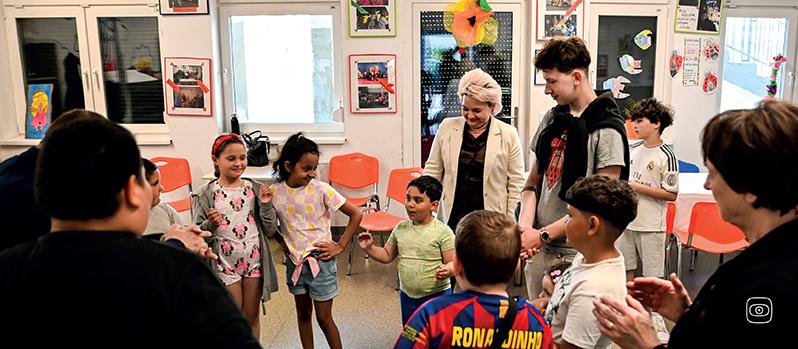
Roma representatives, children, young people, educators, seniors, social organisations, cultural institutions, local government representatives, researchers and regional media took part in the activities. Cooperation with the Radosna Żyrafa integration day-room was particularly important, as it created a shared space for Roma and non-Roma children and adults.

A multi-channel campaign promoted the project through regional news websites, social media, Radio Leliwa, local newspapers, newsletters and outdoor activities. Promotional materials generated more than 255,000 views, while the campaign on the Korso.pl Facebook profile alone reached more than 111,000 unique users.

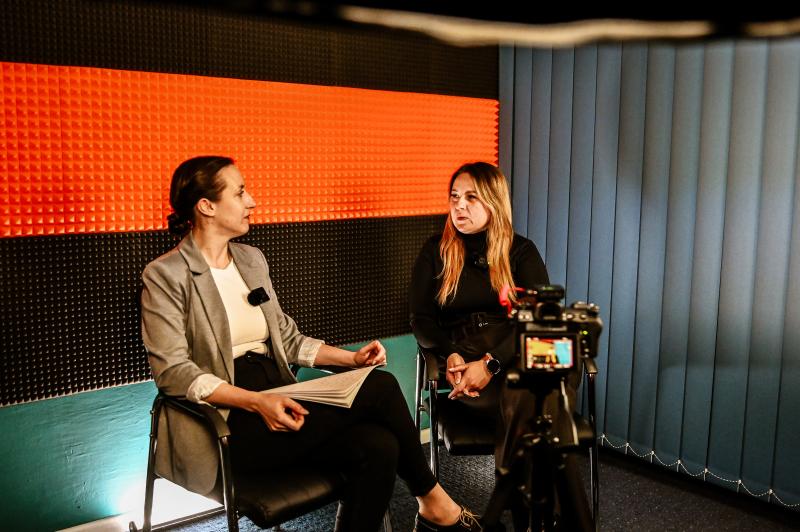
The project also strengthened AWR Korso’s capacity to produce public-interest journalism. A podcast studio, financed from the organisation’s own resources, was created and will continue to support social, educational and civic media projects. All journalistic, research and educational materials were collected on a dedicated website, ensuring free and long-term access to the project’s results.
What is the impact?

Before the project began, the Roma community was only sporadically represented in the local media, usually in connection with isolated events, conflicts or stereotypes. There was no systematic source of information about Roma history, culture, identity, education and contemporary life, nor a space where Roma representatives could present their experiences in their own voices.

The project filled this local information gap by creating a substantial body of reliable public-interest journalism based on research, interviews and direct cooperation with the Roma community. Its 60 articles, podcasts, research findings and educational materials form a permanent, freely accessible knowledge base for residents, teachers, researchers, social organisations and other media. The project therefore reduced a topic-specific news desert while making the local media landscape more inclusive and pluralistic.

The most important change was the development of trust between the editorial team and members of the Roma community. At the beginning, some participants approached media cooperation cautiously and were reluctant to appear publicly. Over time, their willingness to participate in interviews, podcasts, research and educational activities increased. Roma participants were able to tell their own stories instead of being described solely from an institutional or external perspective.

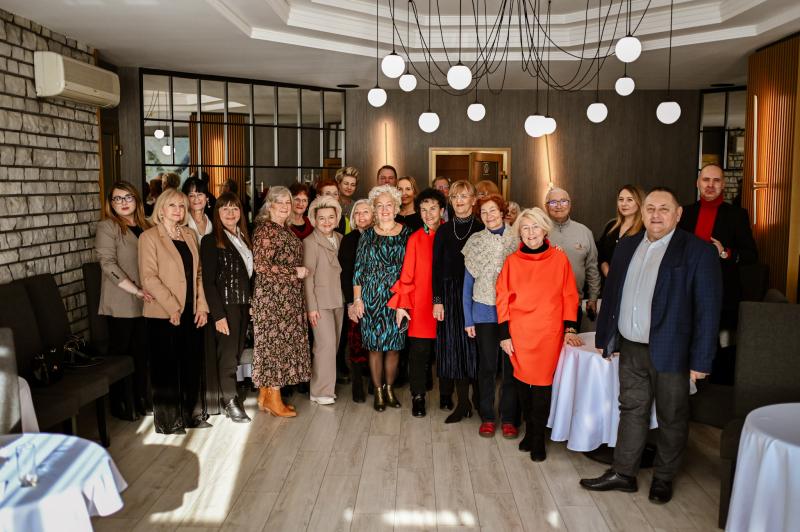
The project also brought together the Roma community, educators, social organisations, local government, cultural institutions, researchers and residents. These relationships have continued beyond the funding period. The project led to cooperation with academic institutions, an invitation to share its results in the journal “Studia Romologica”, and participation in scientific and cultural events devoted to Roma history and culture.

For the wider audience, the project provided access to reliable knowledge about a community that had previously received little sustained media coverage. It encouraged a more informed and substantive discussion of Roma issues and demonstrated interest in longer journalistic formats, including podcasts. While lasting social change requires more time than a single grant cycle, the project created a strong foundation for continued dialogue, cooperation and intercultural education.

Project Photos

Supported
€39,000 allocated on 03/09/2025
ID:
PM4D/2025/201

Publication

WEBSITE

SOCIAL MEDIA

COUNTRY

  • Poland

Media

Need resources for your own investigative story?

Journalismfund Europe's flexible grants programmes enable journalists to produce relevant public interest stories with a European mind-set from international, national, and regional perspectives.

Support independent cross-border investigative journalism

We rely on your support to continue the work that we do. Make a gift of any amount today.