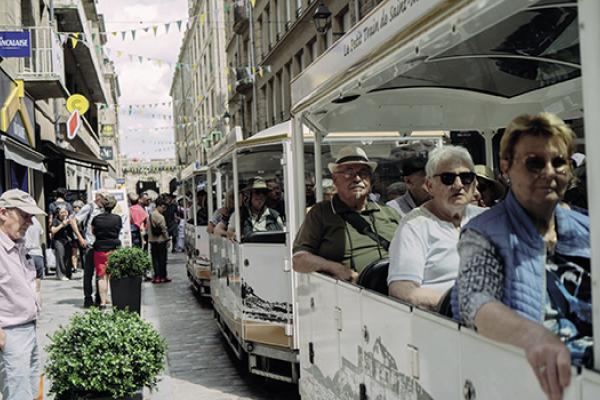

From nurses and cleaners to teachers, drivers and first responders, these are the city’s key staff. They make daily life possible and our urban societies work. Yet, key workers are increasingly priced out of the very places they serve.
The COVID-19 era made it clear that cities cannot function without their labour — and that their jobs cannot be done from behind a screen. It is therefore vital for our physical and social well-being that they find places to stay in the cities they work in. Yet, some of these employees often earn low wages, making it hard to combine work and sleep.
This project compares wages with rent and property prices across European cities to expose the widening gap between the value of essential work and the cost of a place to call home.
Impact
This project had an impact on a variety of levels. German government officials approached the reporting team to gain access to the data, which was also shared with the European Parliament’s Special Committee on the Housing Crisis in the EU. Readers were offered a participation tool that allowed them to compare their situations with the findings, and provided reporters with a way to gather additional data for further reporting. In Norwegian Tromsø this lead to publication of 30 follow-up stories revealing the impact of housing unaffordability on the local community.
The reporting team sent the project’s articles to 200 organisations advocating for housing rights across Europe – ranging from trade unions to NGOs representing tenants’ rights – thereby ensuring a broad dissemination of the uncovered information. Further reposting and sharing, including via social media, increased the project’s reach through multiple additional networks.
The project was awarded with Voices Awards 2026 in the category Digital Storytelling. The local Czech article was shortlisted for the Czech Journalism Award in the category Innovation and also selected for the Public Award as a story with high societal impact.
Image Credit: Markus Günther for the Urban Journalism Network