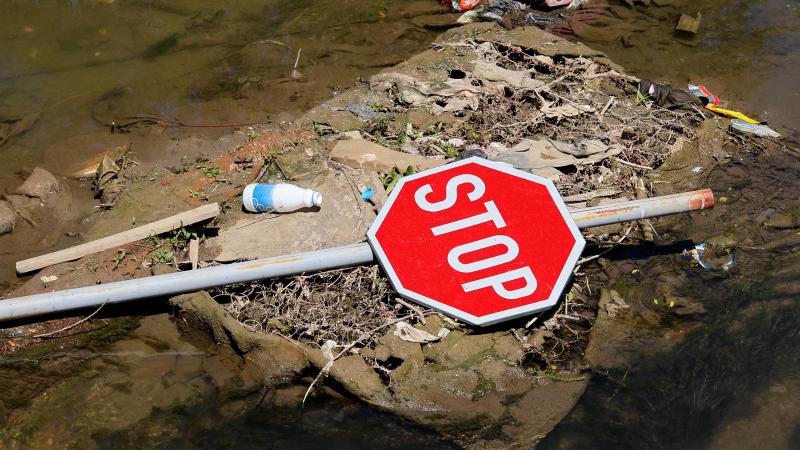
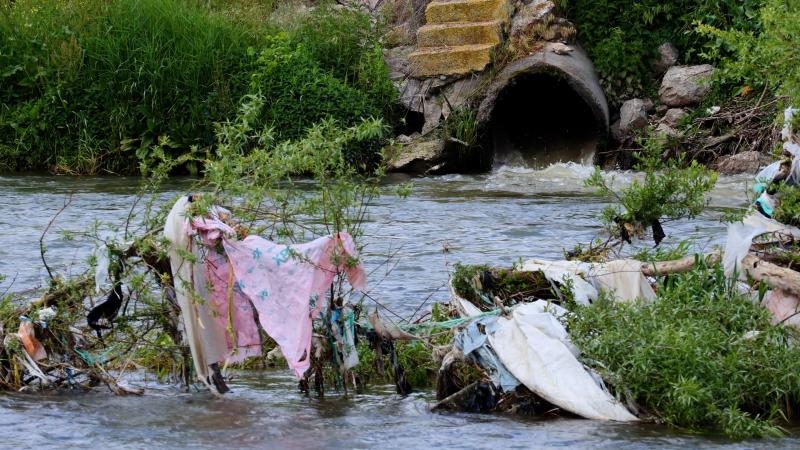
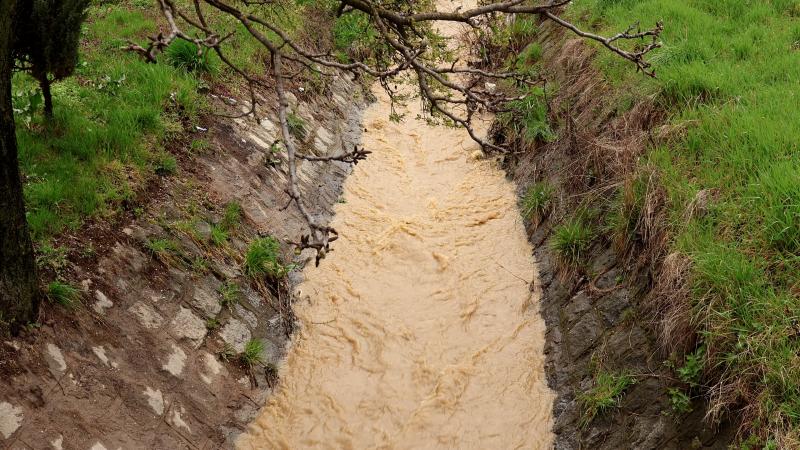
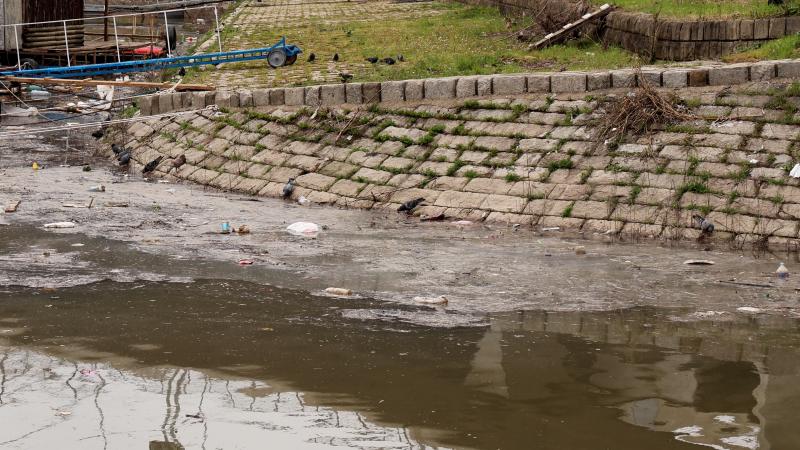
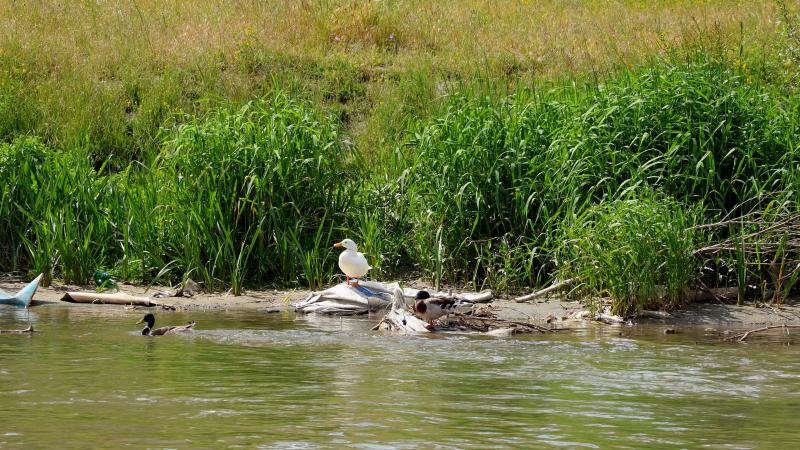
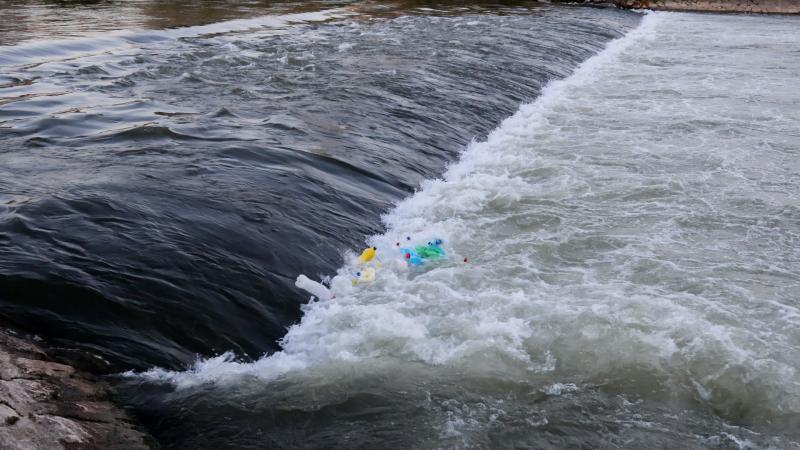
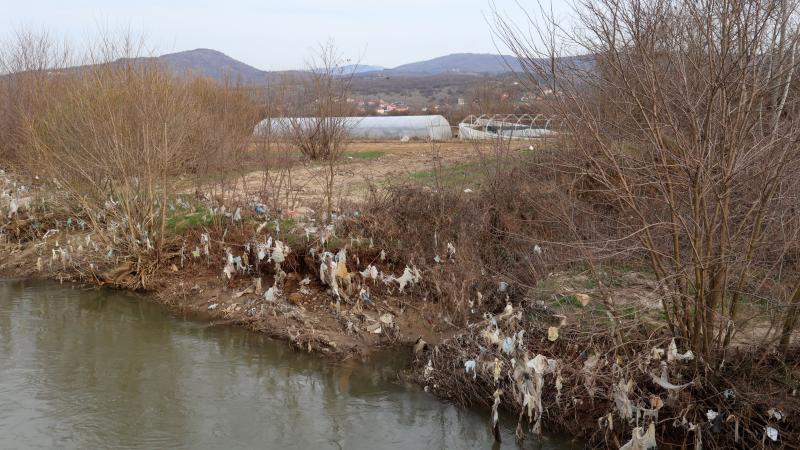
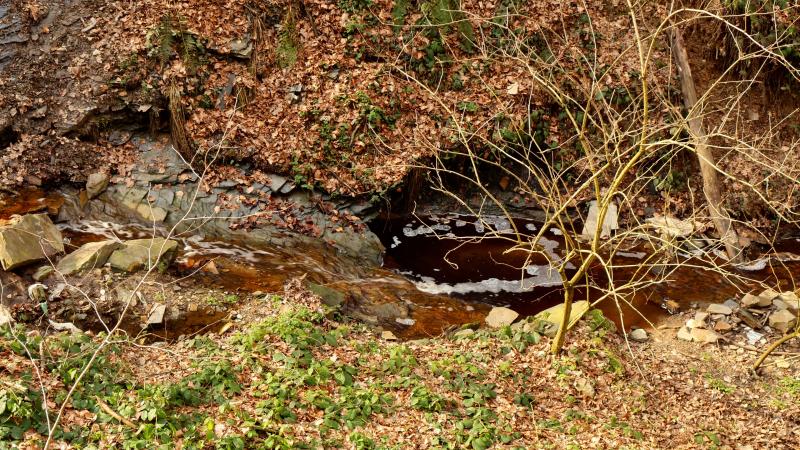
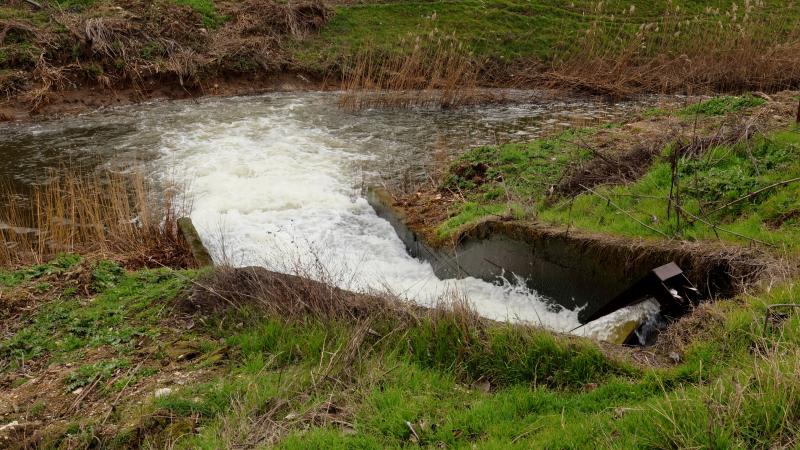
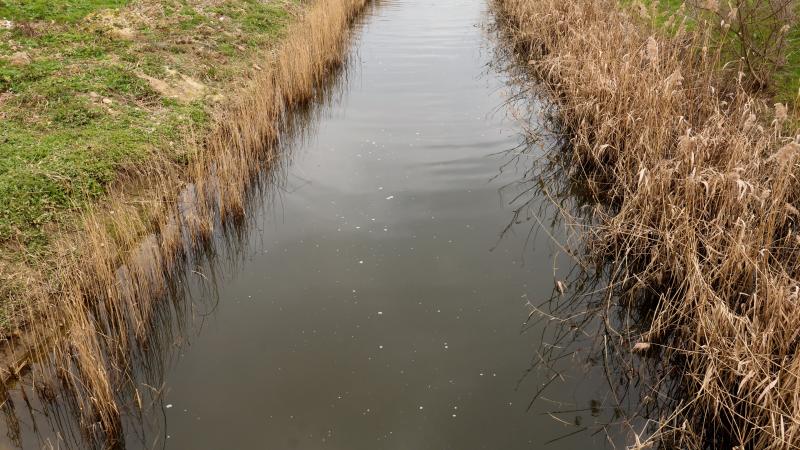
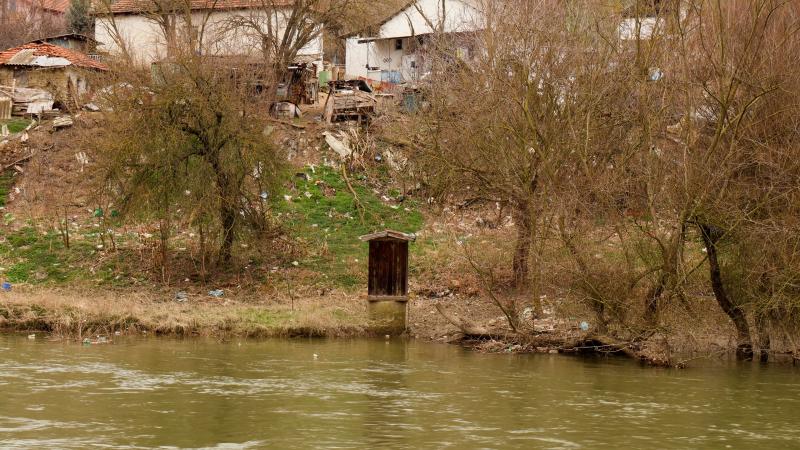
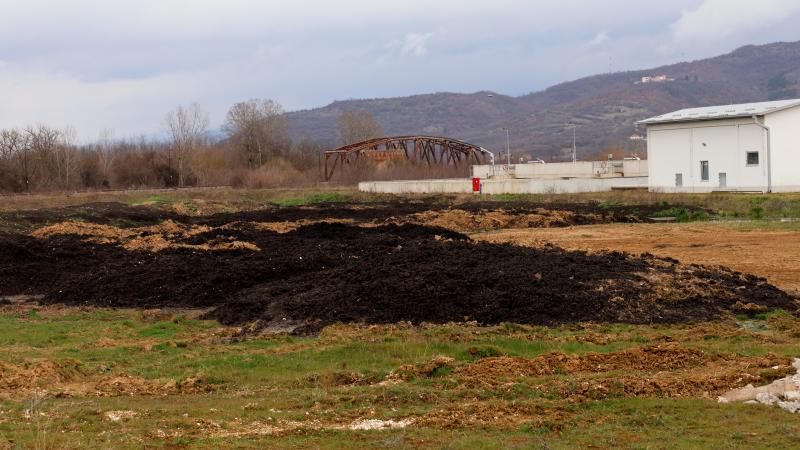
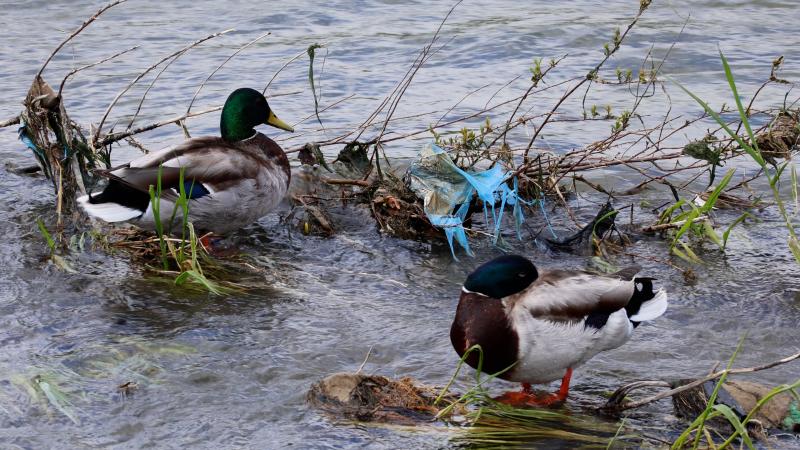
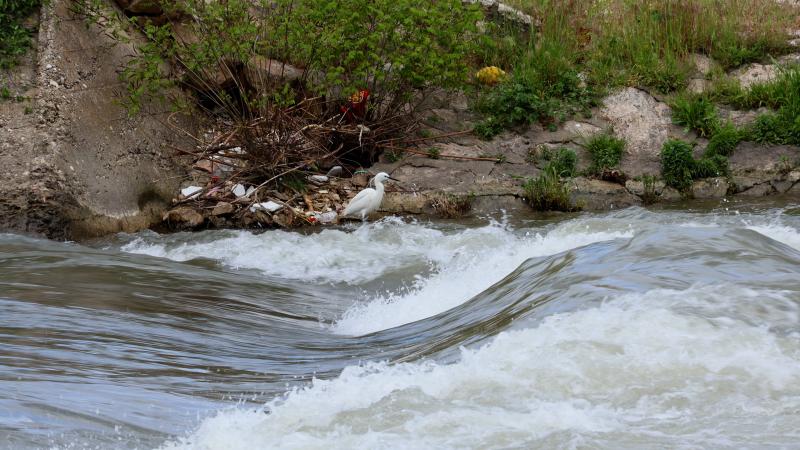
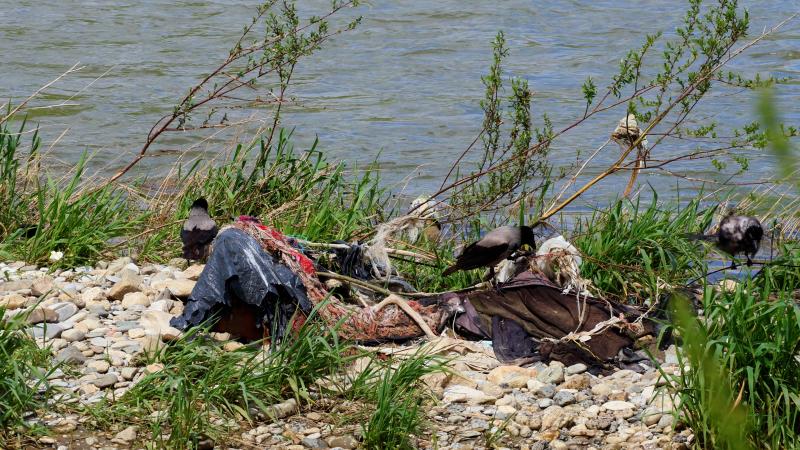
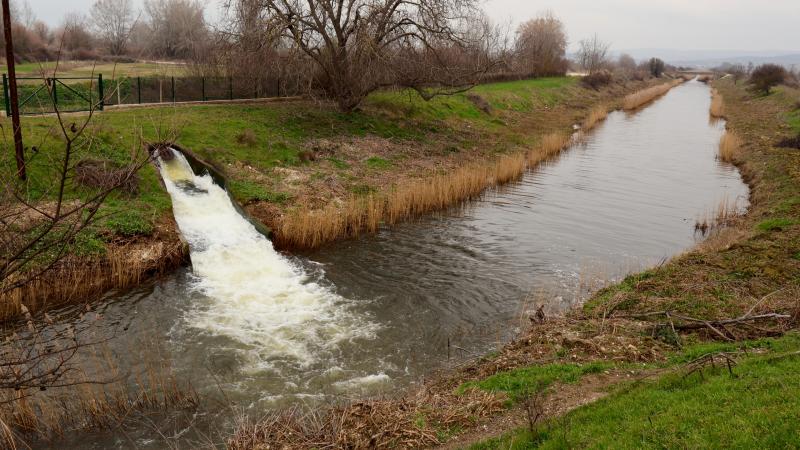
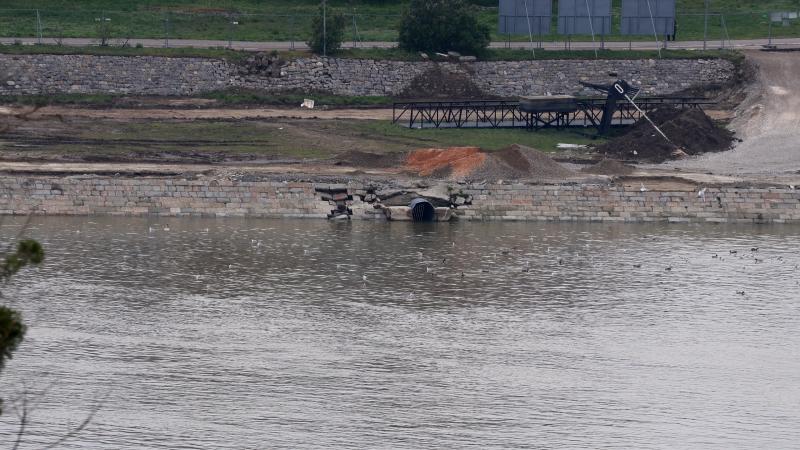
Illegal dumpsites choke Macedonia's Vardar river, its rubbish forming dams that divert the flow. Two decades of unchecked dumping have turned a once-batheable river into a health hazard, worsened in late 2025 by floating waste from a mismanaged sports federation. Prosecutions remain rare, and over half of Macedonia's industrial facilities discharge untreated wastewater, largely unmonitored due to reliance on polluters' own labs. A 2016 water law was never implemented, a Skopje corruption case closed without evidence, and EU-funded treatment plants risk missing their deadlines.
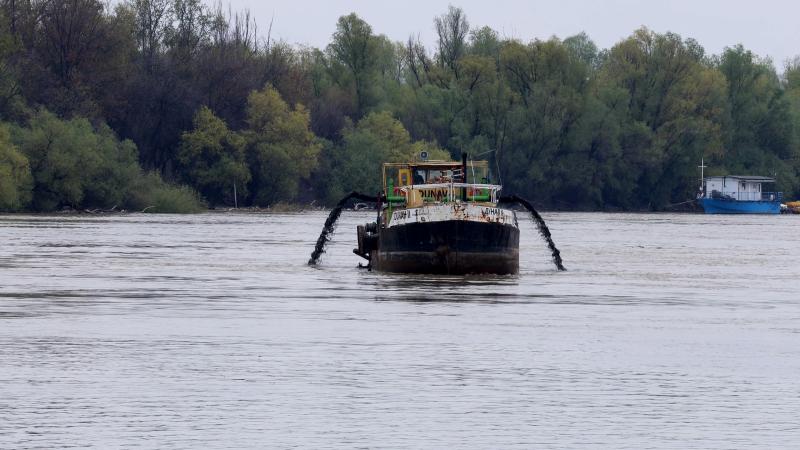
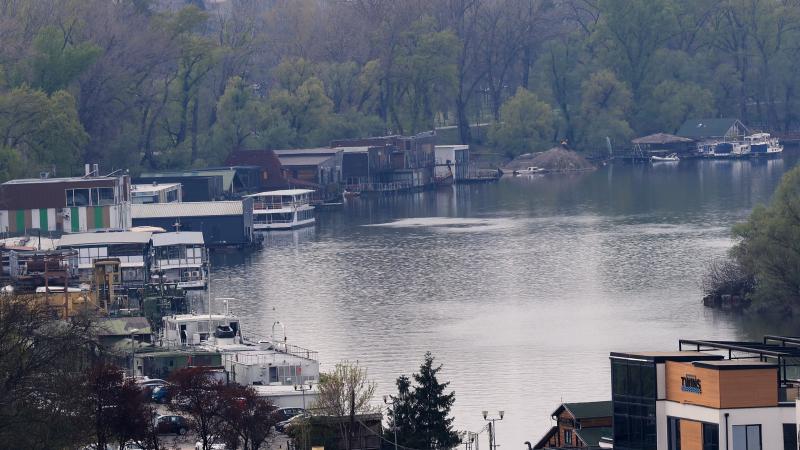
Serbia faces the same structural failures despite heavier investment. German-funded plants exist, but land disputes, weak municipal capacity and low tariffs stall progress; the EIB reports similar delays in Skopje and Belgrade. Belgrade alone discharges roughly 190 million cubic metres of wastewater yearly, strained further by hundreds of cruise boats and floating venues, while its own treatment plant keeps losing funding priority to EXPO projects.
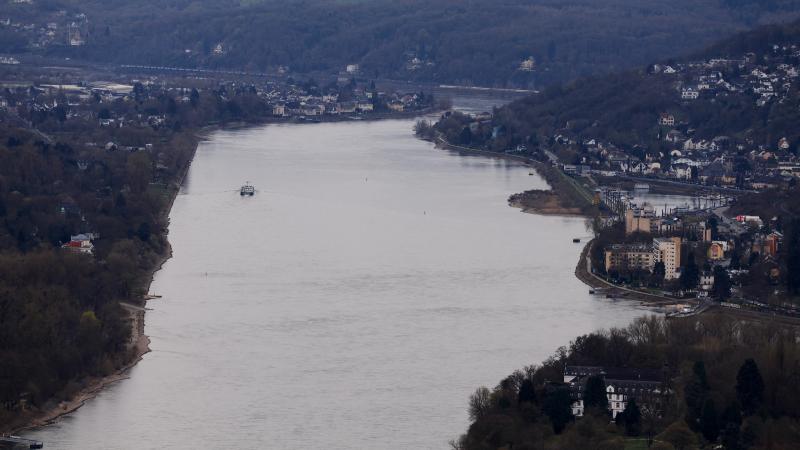
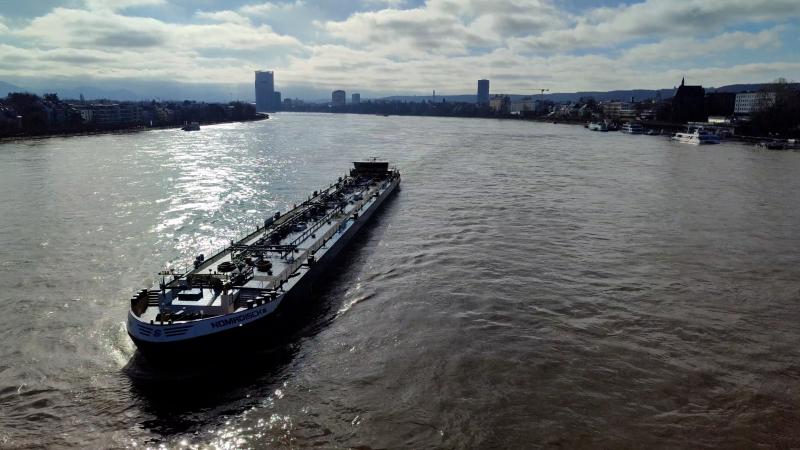
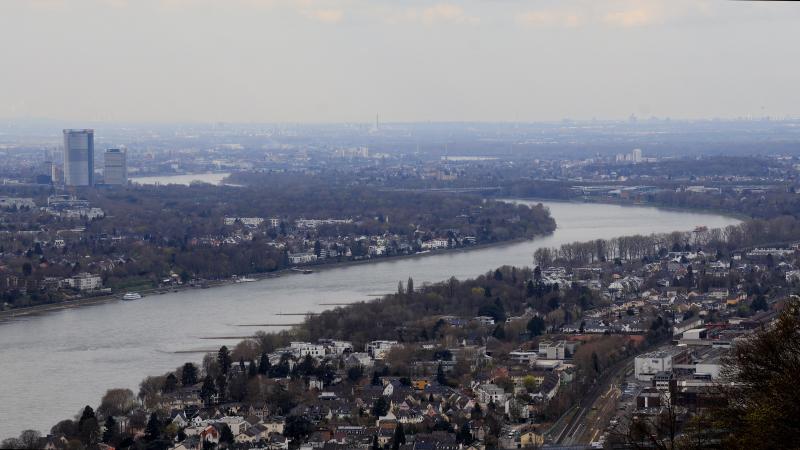
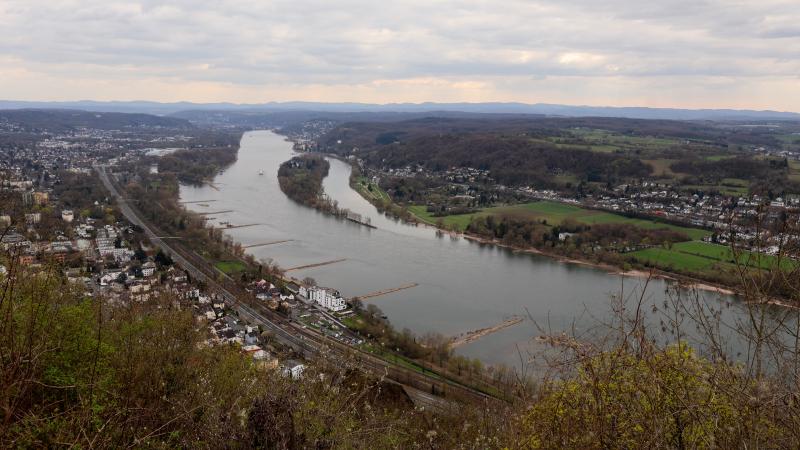
Germany's 1986 Rhine disaster offers a counterpoint: it triggered a full overhaul of river governance, proving reform is possible with political will and cross-border cooperation.
The fix is clear: independent monitoring, finished infrastructure, EU-aligned laws and real enforcement. The question is whether the Balkans act before their rivers reach the point of no return.
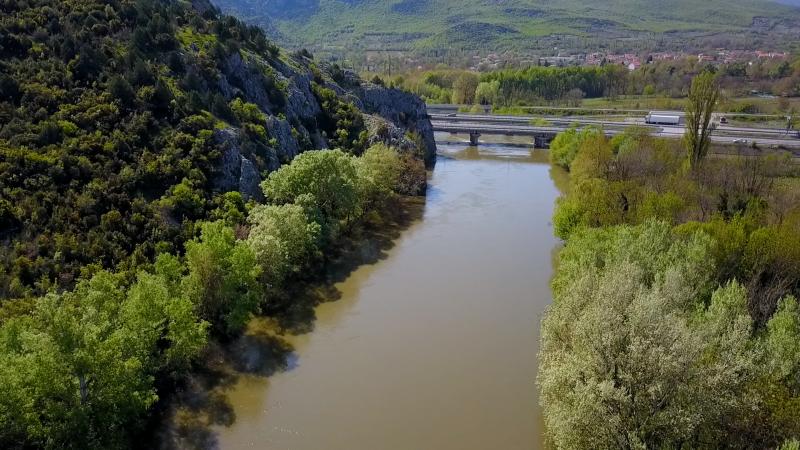
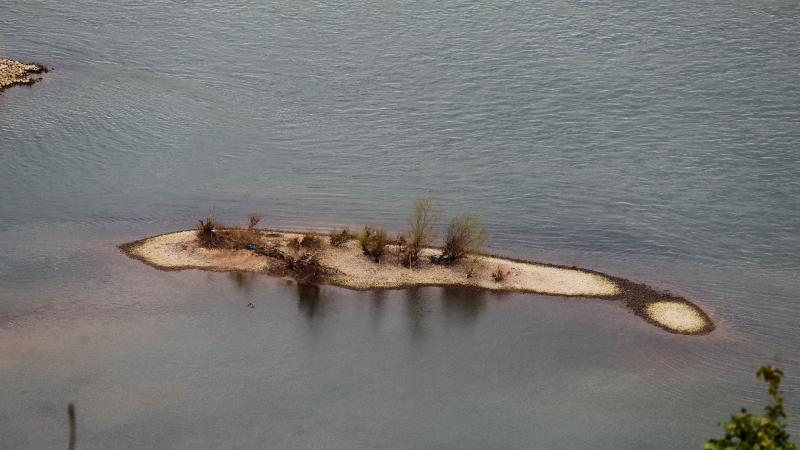
Photo by Aleksandar Metodijev, Vardar River in Tetovo