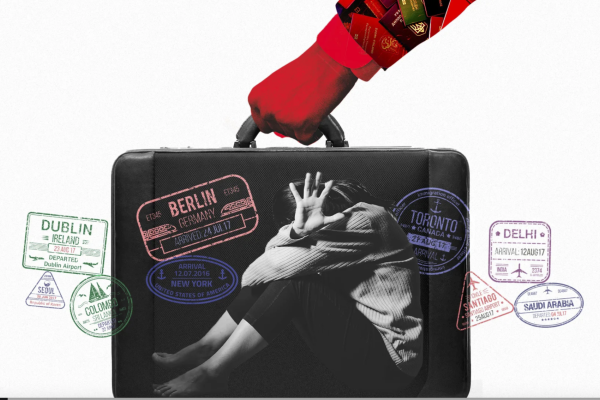
Replication from the Rappler article.
In the United Kingdom and Switzerland, three court cases — all filed by Filipino migrant domestic workers — are redefining the scope of diplomatic immunity. The International Labor Organization marks June 16 as International Domestic Workers’ Day.
- 2026: A UK court ordered the United Arab Emirates (UAE) to pay a domestic worker GBP 260,000 (approximately P21 million) in damages for exploitation at the hands of one of its envoys while he was based in the UK
- 2025: A Swiss Federal Court ruled that diplomatic immunity could not be used as a defense in cases of domestic worker maltreatment. The ruling paves the way for cases filed by domestic workers to be evaluated as regular employer-employee disputes, stripping away the legal protection founded on diplomatic immunity
- 2022: A UK court decided that diplomatic immunity could not be applied in cases where there is evidence of human trafficking or modern-day slavery
All three cases were filed by Filipino female domestic workers formerly employed by diplomats.
Ellene Sana, executive director of the Center for Migrant Advocacy, a non-government organization supporting migrant labor rights, welcomed the court rulings.
“The court decisions affirm the equality of treatment and equal application of labor laws to all workers, including domestic workers — local or migrant. It is our hope that other countries will follow suit and clearly define the extent of exercise of diplomatic immunity.”
This is the aftermath of an investigation supported by the Modern Slavery Unveiled grant programme. The impact reporting for this project was supported by a grant from the Pulitzer Center