
These are some of the most precious and fragile protected natural areas on the planet. The Great Barrier Reef in Australia with its multicoloured fish. The Maya Biosphere Reserve in Guatemala, the largest rainforest in Central America, home to jaguars, monkeys, and crocodiles. Or the Lower Ogooué marshes in Gabon, a refuge for endangered species such as elephants and hippos.
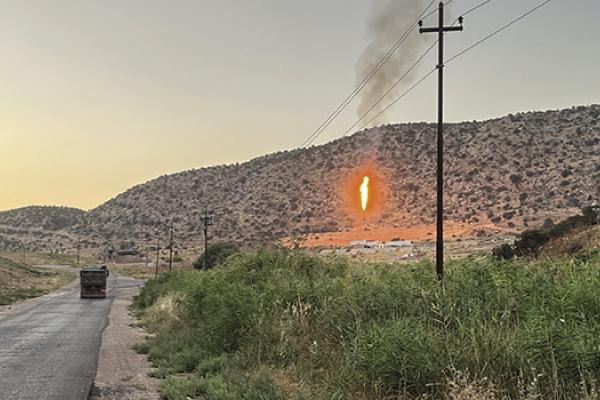
These biodiversity sanctuaries have one thing in common: whilst they should remain free from all industrial activity, they are dotted with oil and gas infrastructure. There are many more such areas, the "Fueling Ecocide" investigation conducted by 13 international media outlets and coordinated by the Environmental Investigative Forum (EIF) journalists' collective and the European Investigative Collaborations (EIC) media network now reveals.
In this year-long project, the consortium compared 315,000 areas listed in the World Database of Protected Areas (WDPA) with geospatial data for 15,000 oil and gas licences in 120 countries, shared with us by an industry provider. The investigation reveals the true extent of the threat that oil and gas companies, including European majors such as Shell, ENI and TotalEnergies, pose to biodiversity worldwide.

© Daniela Sala
© Le Média 24-7
Team members









Media



Related projects
Need resources for your own investigative story?
Journalismfund Europe's flexible grants programmes enable journalists to produce relevant public interest stories with a European mind-set from international, national, and regional perspectives.
Support independent cross-border investigative journalism
We rely on your support to continue the work that we do. Make a gift of any amount today.