
Journalist Judith Duportail, who has long been scrutinising the influence of dating apps on society, and data journalist Nicolas Kayser-Bril, attempted to reverse-engineer the recommendation engine of a dating app to find out how it influenced the lives of heterosexual men and women.
Their findings showed that men and women operate in separate universes. Men are 'liked' (swiped right) once every fifty swipes, while women receive a 'like' half of the time. This can cause frustration among men, which the application may be engineering to maximise income, and aggressiveness towards women.
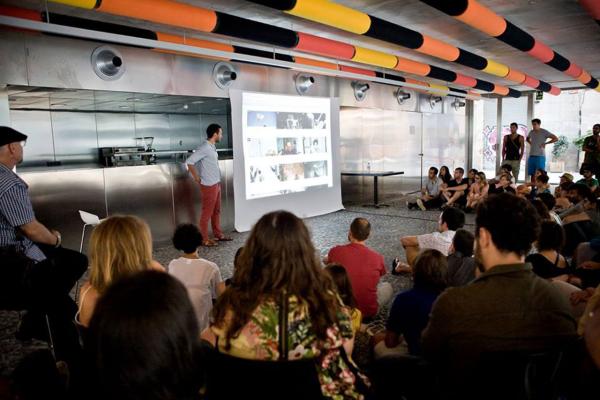
The data used in the investigation was collected during a 'data donation' event organised in collaboration with the non-profit organisation Tactical Tech. Duportail and Kayser-Bril created a mini-website where data donors could log in using their social media credentials. The website then used the dating app's API to browse the app's recommendations (i.e. profiles) for each user. The pictures in these recommendations had 'success rates', which were subsequently extracted and analysed to compute averages by gender.