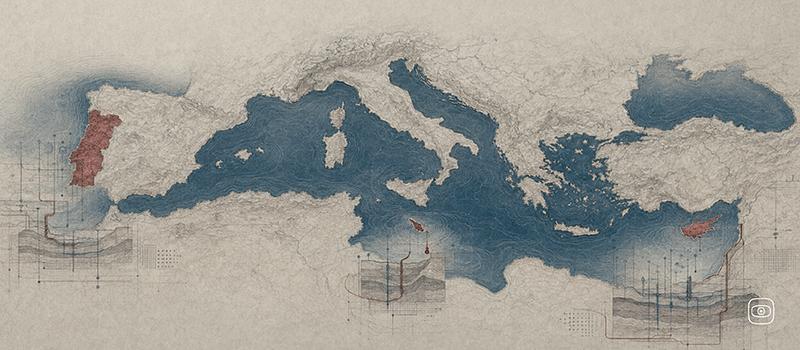
The EU has set objectives to restore and protect the water cycle by recognising water scarcity as a priority in the European Green Deal. The bloc’s Water Resilience Strategy calls for action to address “structural mismanagement of water due to both legal and illegal over-abstraction”. Yet a cross-border investigation covering Malta, Cyprus and Portugal shows that three of the EU’s most water-stressed countries systematically tolerate over-exploitation by for-profit companies.
Main Findings
- The investigation has documented cases where authorities are neither registering nor controlling commercial abstractions.
- EU rules allow countries to apply exemptions from prior authorisation and monitoring requirements if administrations consider that individual abstractions will not affect the overall water status. But the actual effects are not known because they do not appear to be thoroughly measured.
- The Maltese archipelago suffers from water stress and upgrading public water supply costs millions. But the responsible authority’s data show major gaps: under-reporting and registered boreholes attributed to long-defunct companies.
- Malta’s largest groundwater user is a group of companies that benefits from government tenders and CAP subsidies. The government’s landscaping contractor comes second.
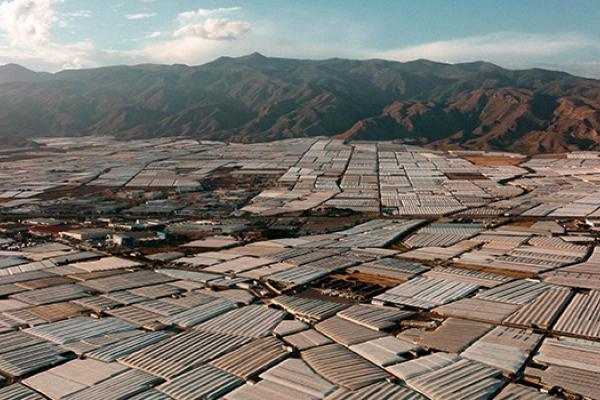
- Portugal faces extreme water stress, worsened by climate change, while major users (agriculture, tourism, golf resorts) rely on self-extracted groundwater that is poorly monitored and largely invisible to authorities.
- Private legal status of groundwater, absence of meters, illegal boreholes and weak data block effective pricing, proportional accountability of heavy users, and funding of water infrastructure, shifting drought costs onto public finances.
- In Cyprus, just 1.4% of recorded abstraction points account for nearly 68% of the total permitted abstraction volume. Meanwhile, audits found poorly documented licensing decisions, known over-abstraction that did not consistently trigger enforcement, and incomplete collection of environmental and resource charges.
- An unexpected exception is Nicosia’s bicommunal wastewater system: amid Cyprus’s worst drought since records began in 1901, the divided capital’s treatment plant discharged around 11 million cubic metres of reuse-grade water annually for over a decade, helping replenish groundwater and aquifers. A cross-divide project is now building the infrastructure to recover and reuse part of this water for irrigation.
Methodology
The reporters used FOI requests and registry data to piece together evidence of the largest known beneficiaries of the water economy.