
The project significantly expanded Intermedia’s reach and direct relationship with its audience. Its public-awareness campaign reached almost 250,000 people online, while improved SEO, audience analysis and alternative distribution helped increase average monthly website traffic to approximately 87,400 visits during the final seven months of implementation.
© Intermedia
On this page
Project Activities
Intermedia implemented the project through four complementary areas: independent journalism, media literacy, newsroom innovation and community engagement.
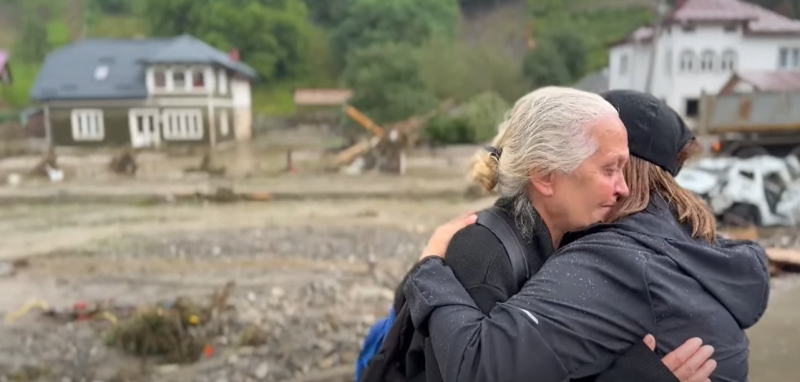
The newsroom produced 11 investigative reports, addressing public administration, geopolitical narratives, security policy, public health misinformation, environmental crises, digital rights and public utility scandals. This included a four-part investigative series on flooding, deforestation and institutional responsibility in Broșteni.
A further 23 community-driven reports covered issues including elections, youth innovation, labour rights, consumer protection, environmental enforcement, sports inclusion, disaster solidarity and refugee-related public information. Seven of these reports were translated or subtitled into Ukrainian, providing refugee communities with access to verified local information.
Intermedia also produced 11 fact-checking articles on electoral misinformation, viral political falsehoods, financial scams, manipulated protest narratives, medical misinformation, historical distortions and fabricated statistics. One was specifically adapted for Ukrainian-speaking audiences.
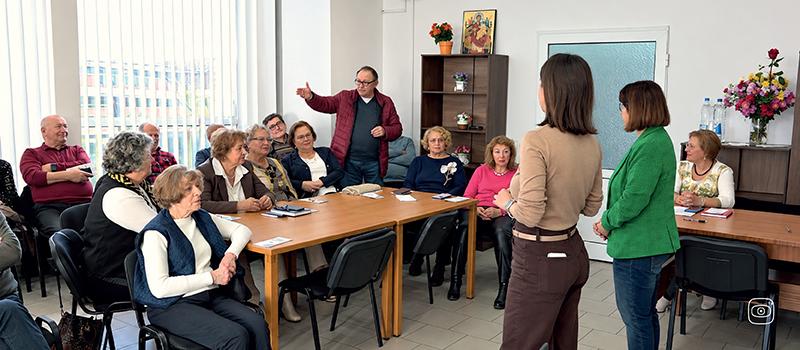
Media literacy formed a second major component of the project. Intermedia organised 13 in-person workshops, reaching 552 students and citizens, including school pupils, university students, teachers, seniors and professionals. In addition, 399 participants completed structured online media literacy activities.
The Think Before You Share campaign produced 13 multimedia outputs and reached 249,385 people online, substantially exceeding its initial public-awareness target of 50,000. Intermedia also produced 10 short TV media literacy segments under the title Adevăr sau manipulare, explaining practical techniques used in misinformation, including emotional manipulation, deepfakes, false experts, decontextualised images and AI-generated narratives.
The newsroom also introduced AI-supported verification, audience analysis and production tools. Originality.ai supported fact-checking and manipulated-content detection, BuzzSumo and Hootsuite were used for audience and distribution analysis, and CaptionX was integrated into the video workflow for automated subtitling and improved accessibility.
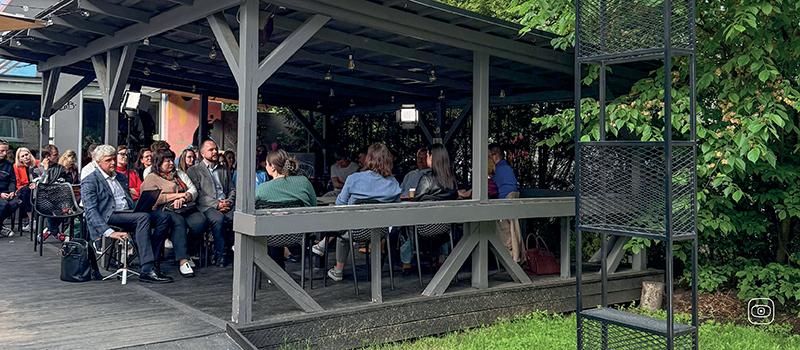
Community engagement was strengthened through a regional audience study based on 503 valid responses, three live Q&A sessions on misinformation and partnerships with Ștefan cel Mare University of Suceava, the Suceava County School Inspectorate, Asociația Sportul pentru Toți and the Suceava County Pensioners' League.
Ten dedicated SEO training sessions were also organised. Improved search visibility and distribution contributed to a rise in average monthly website traffic from 31,834 visits at the start of the project to approximately 87,400 visits per month during the final seven months, with around 74,000 new users recorded in the same period.
What is the impact?
The project addressed a specific form of news desert in Suceava County. The region is not lacking in media outlets, but it faces a shortage of genuinely independent journalism. Intermedia considers it a "loud news desert". Political ownership, direct political affiliation and financial dependence on public authorities limit editorial autonomy and reduce the range of independent perspectives available to citizens.
Resilient Intermedia helped rebalance this environment by increasing the volume and visibility of verified, non-partisan, locally relevant reporting. Investigations, fact-checking and community-driven stories covered issues that might otherwise have remained under-reported or presented primarily through political or institutional narratives.
The project also addressed information inequality by extending access to underserved audiences. Ukrainian-language adaptations provided refugee communities with verified local information, while workshops and explanatory content targeted young people, teachers, seniors and rural audiences.
At the same time, the project reduced Intermedia's dependence on social media algorithms. SEO optimisation, audience analytics and alternative distribution significantly increased direct website traffic and helped strengthen Intermedia as an independent local reference point.
The project improved access to verified and contextualised local journalism and created stronger direct interaction between journalists and audiences. Citizens were not only consumers of information, but also sources of questions, experiences and concerns that informed fact-checking, reporting and media literacy activities.
Media literacy activities revealed different needs among target groups. Young participants often showed an intuitive ability to recognise misinformation patterns, while teachers and seniors proved more vulnerable to rapidly evolving manipulation techniques. Seniors shared direct experiences of phone scams, impersonation and deepfake-related fraud, allowing the training to become more practical and audience-specific.
The project also strengthened audience trust and visibility. Intermedia's Facebook audience grew organically from approximately 43,000 to more than 70,000 followers, while its YouTube channel grew from 32,800 to 34,300 subscribers. The website recorded a total of 146,095 users during the reporting period, with substantial growth in direct and search-driven traffic.
Beyond audience reach, the project produced an organisational change. Fact-checking, media literacy, audience research, accessibility and community-oriented reporting are now more deeply integrated into Intermedia's editorial practice. The newsroom also developed new technical skills and distribution strategies that will continue after the end of PM4D funding.
The project further supported Intermedia's long-term sustainability through the development of fee-based educational products under Atelierele Intermedia and Media School, transforming newsroom expertise in communication, public speaking, critical thinking and media-related competencies into a post-grant revenue stream.
Project Links
Investigative journalism: four-part Broșteni investigation on flooding, deforestation and institutional responsibility:
- Inundația – Episodul 1 din serialul Broșteni: între pădure și apă
- Anii doborâturilor – episodul 2 din serialul Broșteni: între pădure și apă
- Apa, panta și piatra (proba din teren) – episodul 3 din serialul Broșteni: între pădure și apă
- Verdictul Gărzii Forestiere – episodul 4 din serialul Broșteni: între pădure și apă
Fact-checking:
Community journalism:
Media literacy:
- Sute de elevi, la atelierele de educație media organizate de televiziunea Intermedia
- Seniorii învață să recunoască falsurile din mediul informațional. Atelier Intermedia despre dezinformare și manipulare
- Adevăr sau … manipulare? Când „poporul” este regizat din umbră
Think Before You Share campaign
Intermedia website
Project Pictures
Photos by Intermedia

© Intermedia

© Intermedia
© Intermedia

© Intermedia

© Intermedia

© Intermedia
Media

Related projects

Need resources for your own investigative story?
Journalismfund Europe's flexible grants programmes enable journalists to produce relevant public interest stories with a European mind-set from international, national, and regional perspectives.
Support independent cross-border investigative journalism
We rely on your support to continue the work that we do. Make a gift of any amount today.