In March 2025, the European Commission designated Solvay’s Alpha Project as one of 47 Strategic Projects under the Critical Raw Materials Act. The project will recycle palladium from spent catalysts on-site, supporting Solvay’s hydrogen-peroxide plants worldwide and benefiting from accelerated Italian permitting.
In Spain, Solvay’s century-old Cantabria complex is undergoing a parallel transformation. A biomass cogeneration plant, supported by €30 million from Spain’s EU-funded PERTE programme, is intended to replace coal and nearly halve the site’s CO₂ emissions by 2027. Solvay and Enagás also plan to convert former salt-extraction caverns into renewable-hydrogen storage, an EU Project of Common Interest connected to the future H2Med corridor.
In France, Solvay inaugurated a new production line at La Rochelle in April 2025 to separate neodymium and praseodymium for permanent magnets, aiming to supply 30% of European demand by 2030. The project reflects Emmanuel Macron’s France 2030 strategy to rebuild domestic critical-material supply chains, although public information remains clearer on industrial sovereignty than on the expansion’s environmental consequences.
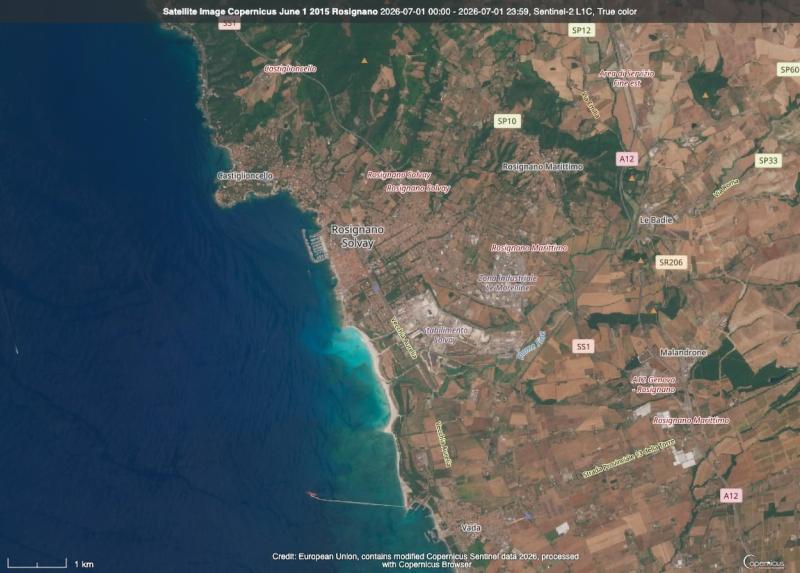
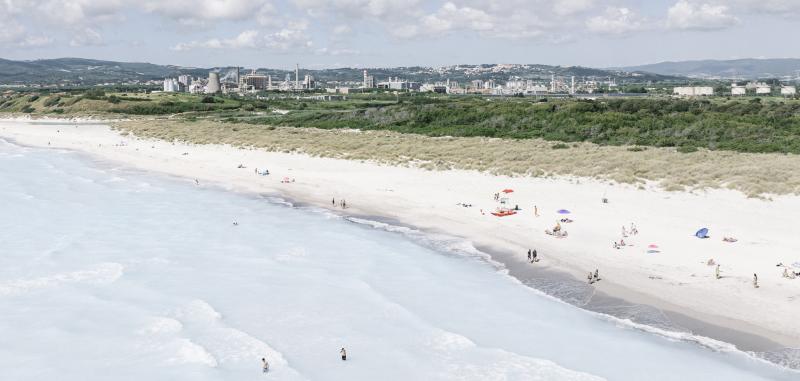
Together, these sites reveal how Solvay is being integrated into European strategies for raw-material security, energy sovereignty and decarbonisation. Yet strategic designation does not automatically bring proportional funding, centralised environmental verification or remediation of historic pollution. The investigation focuses primarily on Rosignano and Cantabria, where new EU-backed infrastructure is developing alongside documented records of mercury contamination, marine discharge and environmental disputes, asking what strategic status accelerates, what it finances, and what it leaves unresolved.
Key Findings
- EU strategic status does not equal EU funding. In Italy, officials confirm Alpha Project’s recycling volumes cannot alone meet EU palladium demand, and it is financed entirely by Solvay, benefiting mainly from accelerated Italian permitting. In Spain, the biomass plant did secure EU-linked funding (via Spain’s PERTE program) and the hydrogen project has EU study-phase financing through CEF Energy - but both remain tied to a site with an active, government-documented pollution record.
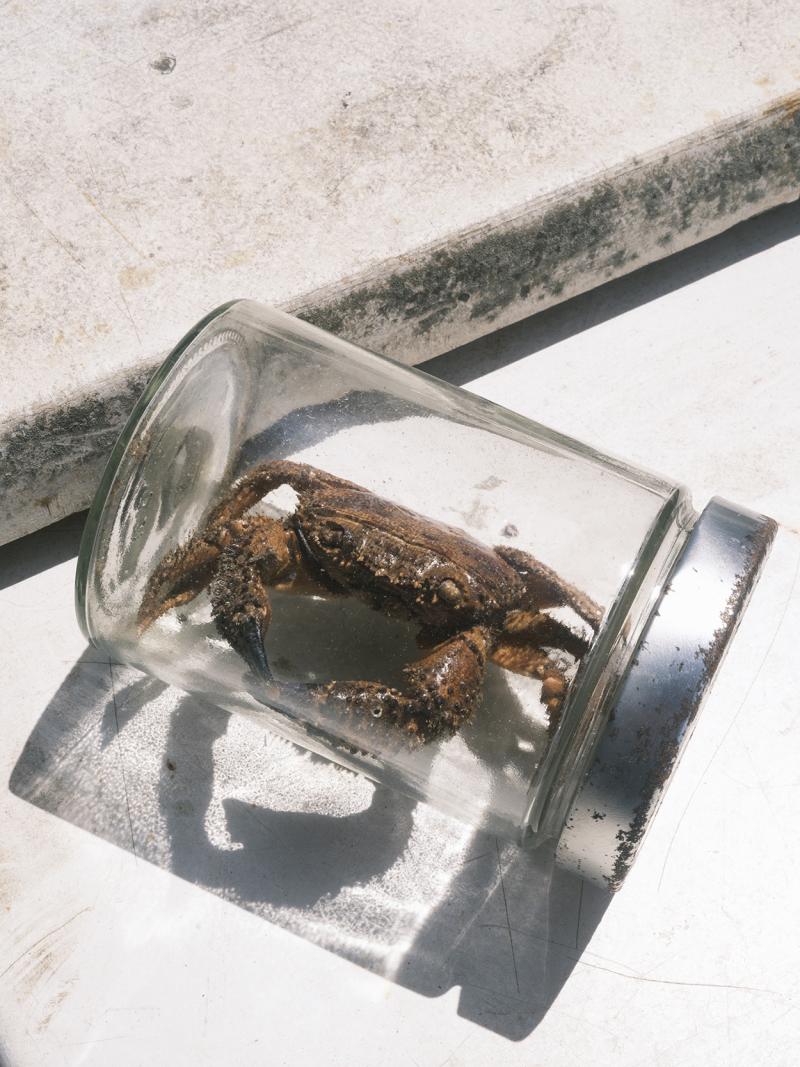
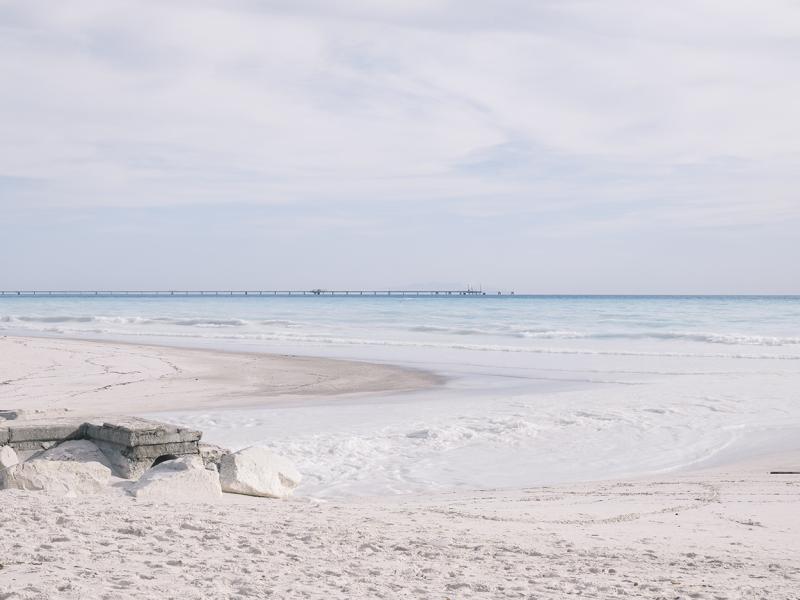
- Historic contamination has not been remediated at either site. In Rosignano, mercury from mercury-cell chlorine production used until 2007 remains in seabed sediments, never removed, only buried under later layers; a related complaint to prosecutors is unresolved. In Cantabria, a 2015 study and Greenpeace reporting identified mercury emissions from the same Solvay complex, and a submarine outfall had to be dredged in 2021 after sediment buildup caused leaks. In La Rochelle, CRIIRAD reports that, in the late 1980s, thorium contamination was detected near the marine outlet and that effluent releases exceeded applicable radiological prescriptions and it published new concerns about residual radioactivity around the site in 2026.
- Ongoing discharge, though officially classified as inert or low-risk, shows measurable environmental effects at both sites. At Rosignano, a change in discharge particle size that Solvay has not disclosed on request coincides with turbidity reaching further offshore, damage to protected Posidonia seagrass, and a 70% mussel die-off recorded in 2024 monitoring. In Cantabria, Spain’s environmental authorities have cited Solvay’s marine discharges with a “Black Flag” pollution designation in 2020, 2021, 2024 and 2025, with environmental groups reporting turbidity, temperature rises up to 3°C, and pH changes near the outfall. The La Rochelle Solvay factory discharges treated industrial effluent through an offshore outfall into the Atlantic. A May 2026 inspection report recorded several exceedances between March 2025 and March 2026, including orthophosphate concentrations and tributyl phosphate, or TBP more than three times the 0.6 mg/L limit and seven days when measured wastewater temperatures reached 35.3°C to 36.4°C.
- Company and independent accounts diverge at both sites. In Italy, Solvay states its 2022 discharge-reduction commitment is fully met, while local monitors cite a different threshold and timeline and say requested documentation has not been provided. In Spain, Solvay’s environmental impact assessments describe manageable, temporary impacts, while Ecologistas en Acción disputes the climate benefit of the biomass plan and characterizes the site’s overall record as severely damaging.
Methodology
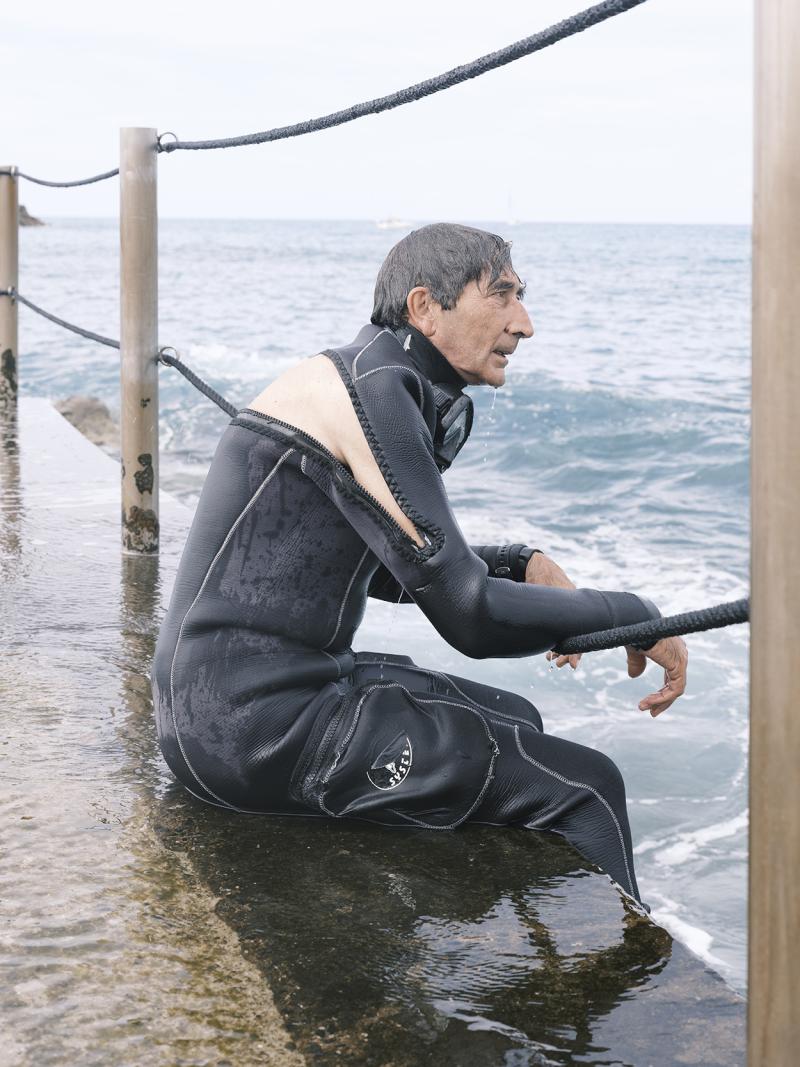
Findings combine desk research - EU and national regulatory texts (the CRMA, Commission Decision 2025/840, Italian Decree-Law 84/2024, Italy’s AIA permits, Spanish environmental impact declarations, parliamentary inquiries), company statements, and prior environmental reporting (UNEP, Greenpeace, Ecologistas en Acción) - with fieldwork and direct interviews conducted by the reporting team on site in Rosignano. Sources include a MIMIT official overseeing Italy’s critical raw materials policy, a CGIL trade unionist tracking the project’s industrial timeline, the mayor of Rosignano Marittimo, a professional fisherman and founder of a local marine conservation committee, the president of a maritime rescue and marine-protection association, and Solvay, which responded in writing; a spokesperson for the EU’s Critical Raw Materials Board also commented. The Spanish case is built on documentary research into Ecologistas en Acción reports, EU project documentation, and regulatory filings, providing a comparative European frame alongside the Italian fieldwork.
Photo © Mélanie Wenger