This cross-border investigation shows how the shared sea between two EU member states has become a grey zone. Italian fishers blame Croatian fleets, and Croatian fishers blame the Italians. Monitoring is weak on both sides. Both countries face EU infringement procedures under the Habitats Directive; for Croatia, the formal notice came in February 2025.
The solutions exist and have already been paid for. For more than a decade the EU has funded trials of Turtle Excluder Devices, LED-lit gillnets and acoustic deterrents. NGOs and research centres from both coasts have worked with willing fishers to test them. Yet none of these measures has ever been made mandatory. Projects end, compensation for fishers stops, and the next grant starts again from scratch. Brussels pays for the solutions while opening infringement procedures for failing to apply them.
Key findings
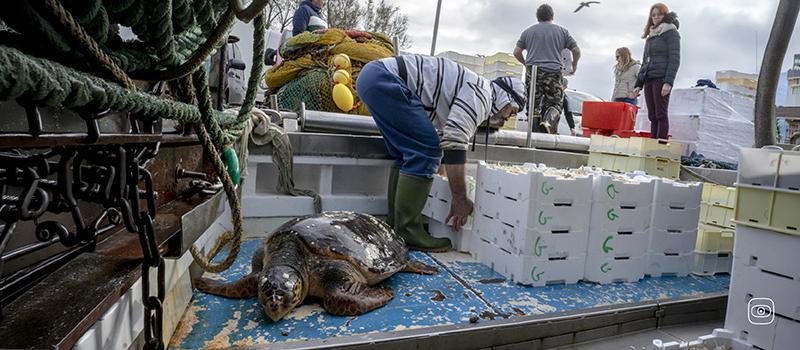
Bycatch of protected turtles and dolphins in the northern Adriatic is routine and largely unreported, so official figures understate the real toll. Fishers on both coasts treat it as "part of the job" and have no incentive to declare it, while Italy and Croatia blame each other's fleets. Effective mitigation tools exist and have been tested with EU money for over a decade. None has been made mandatory, so protection depends on short-term projects that stop when the funding ends.
Methodology
The team reported on both coasts, from Riccione and Cesenatico in Italy to the Cres-Lošinj archipelago in Croatia. They worked with the Fondazione Cetacea and the Blue World Institute, which has monitored Adriatic dolphins since 1987. They interviewed fishers, researchers and rescue-centre staff, and examined EU-funded mitigation projects, EU infringement procedures and GFCM/ICES data on bycatch and overfishing. Because bycatch goes largely unreported, the official figures are a minimum, not the real toll.