The Iranian Revolution of 1979 was undoubtedly one of the most significant events of the twentieth century. This political and social transformation preoccupied the international community and attracted the interest of many intellectuals.
For example, the French philosopher Michel Foucault travelled to Iran twice to witness the Iranian people's uprising first-hand. He published around ten articles about his experiences in Iran in the Italian newspaper Corriere della Sera. Inspired by Foucault's articles, Peter Van Goethem and Pieter Verstraete spent five weeks travelling through Iran.
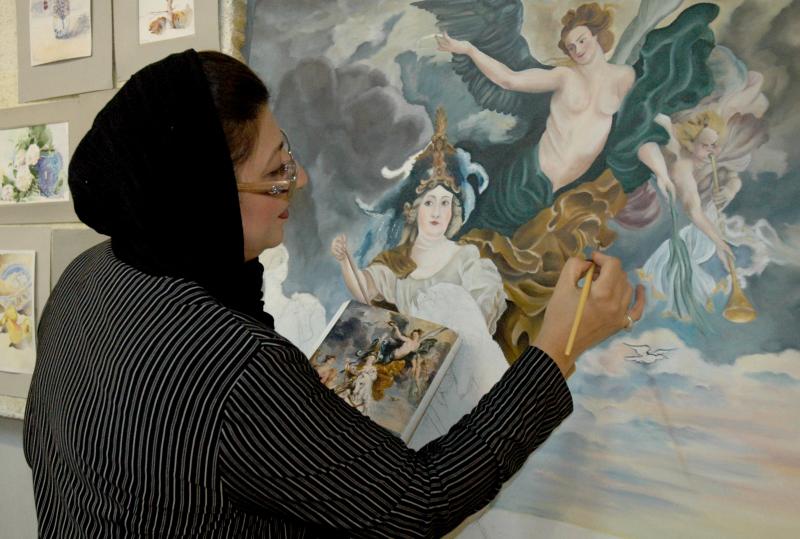
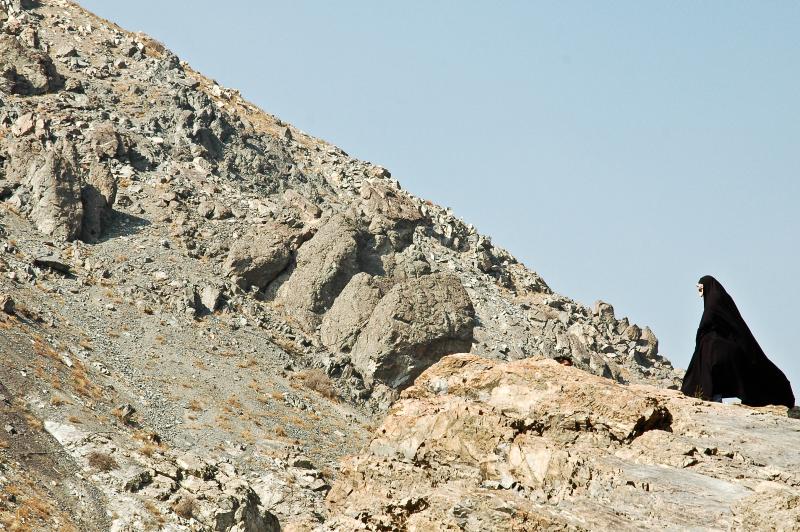
They investigated how contemporary Iranian artists cope with the censorship measures imposed by the Islamic regime. Is resistance still possible in a politically repressive climate that dictates and defines the cultural landscape, or does strict censorship actually give rise to new forms of creativity? Drawing on their experiences and interviews with Iranian artists, the authors explore the relationship between censorship and resistance in the Islamic Republic of Iran in four essays.