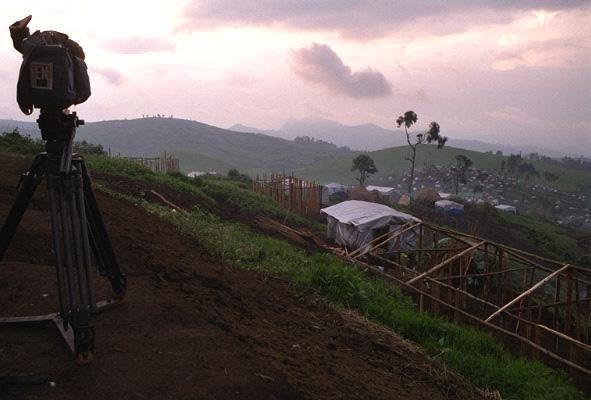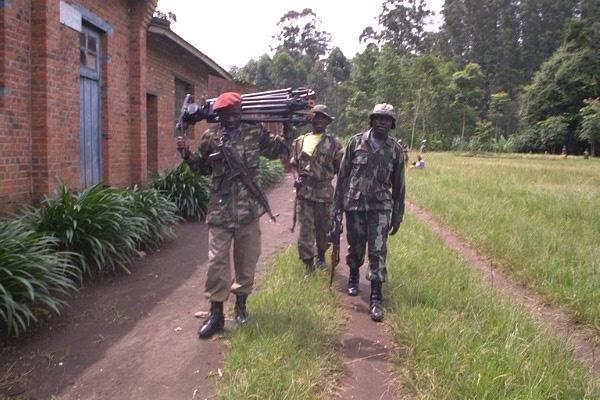
Before the Berlin Conference of 1885, the Masisi region of the Congo was part of a vast Tutsi kingdom. This kingdom spanned a vast area that now encompasses Rwanda, Burundi, the Democratic Republic of the Congo, Tanzania and Uganda. Today, however, the Masisi region is part of the Congolese province of North Kivu.
Around 1920, Belgian colonisers brought Rwandan Hutus to the area to work on their plantations. The Tutsis, who had inhabited the region for centuries, primarily engaged in livestock farming. Initially, the two ethnic groups, both of which had their roots in Rwanda, lived in perfect harmony with one another, and cooperated well with other tribes, such as the Nande and the Hunde.
However, the Belgian colonisers saw things differently: the vast grasslands of the Tutsi fell into Belgian hands, threatening the very existence of the Congolese Tutsis. Following the Hutu revolution in Rwanda, which was largely orchestrated by the Flemish White Fathers, even more Rwandan Tutsis ended up in eastern Congo.
However, violence against the Tutsi people reached its peak in 1994. The genocide claimed the lives of over 800,000 Rwandan Tutsis and moderate Hutus. The notorious Hutu extremist group, the Interahamwe, fled to Congo en masse, where they were taken in by international aid organisations. The presence of Tutsis in the surrounding mountains irritated these extremists, who soon began murdering and looting Tutsis in Congo as well. Around 700,000 cows owned by Tutsis were looted and sold in refugee camps under the watchful eye of these organisations.
Those Congolese Tutsis who survived the attacks fled to Rwanda and ended up in refugee camps. Even there, they were not safe from the Interahamwe.
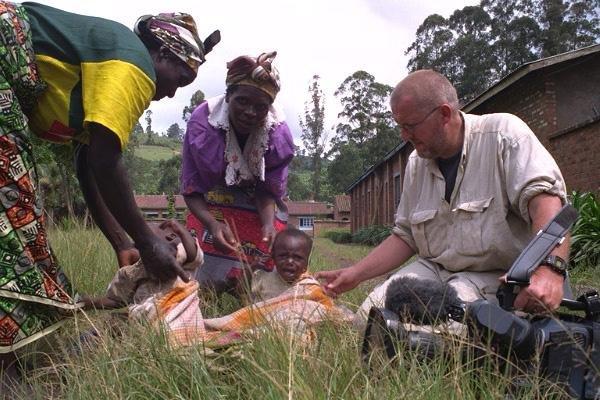
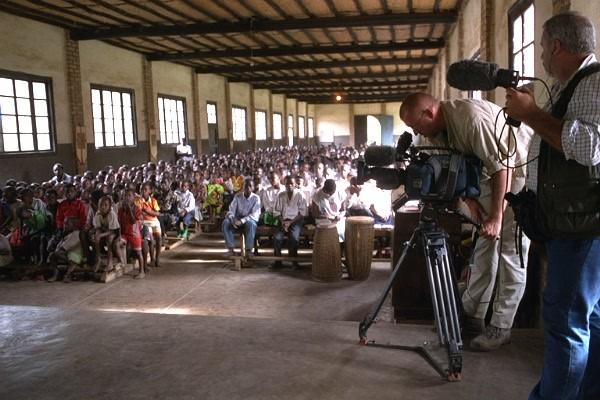
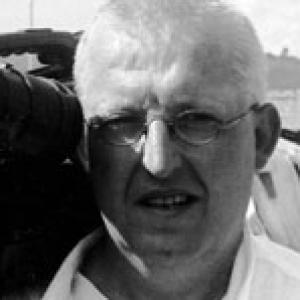
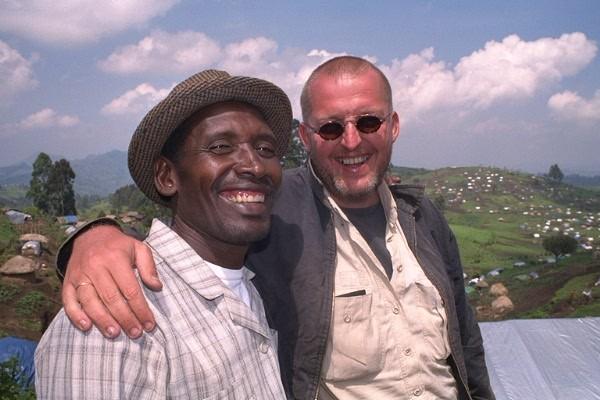
Marc Hoogsteyns worked in the region for many years as a cameraman and journalist for various news agencies, including Reuters and WTN. During the Rwandan genocide, he was working in the country on behalf of the Japanese broadcaster NHK. Afterwards, he decided to settle there. He closely followed the fortunes of the Kongomani people, filming the most significant events.
This film is also a personal account of a cameraman who becomes embroiled, against his will, in a conflict whose brutality rivals that of the Holocaust during the Second World War.
Production: Periscope Productions Belgium