'Environmental dumping' is an unethical practice that poses risks to human health and the environment. The investigation highlights legislative weaknesses in the management of pesticide use and importation in Africa, leading to the conclusion that stronger pesticide regulations ought to be adopted in African countries.
Considering the long-term health and environmental impacts on recipient countries, it highlights the environmental injustice this trade represents.
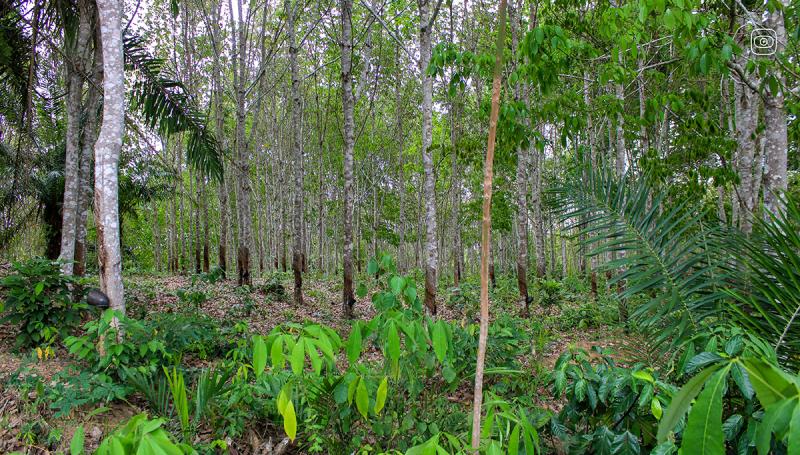
Ghana Real Estate Limited (GREL), which has been a technical advisor on the Rubber Outgrower Plantation Project (ROPP) since 1995, supplied paraquat to rubber outgrower farmers in the Wassa East district of Ghana. Paraquat has been banned in Europe since 2007, and its use puts the health of farmers and the environment at risk.
The team also found that funding from Agence Française de Développement, a French public development bank, had already reached over 9,000 farmers as part of the rubber plantation project designed to assist small farmers in rural areas of Ghana. Many of these farmers received the toxic pesticide.
"The EU is being hypocritical. We ban pesticides to protect the health of European citizens and the environment, yet we fund development projects and export our chemical industries, which support their use abroad," said Martin Dermine, director of Pesticide Action Network, a UK-based charity that focuses on issues surrounding pesticides.
“Unfortunately, there are no international laws that permit global bans on pesticides"
The report also shows that there are no international laws that can ban the use of pesticides outright. “Unfortunately, there are no international laws that permit global bans on pesticides,” said Dermine. 'Even worse, when the European Union tries to ban new pesticides within its borders, many states try to dissuade it via WTO rules.'
The project also examines the relationship between this issue and European policies and international conventions such as the Basel and Bamako Conventions. It concludes that comprehensive, enforceable regulations and international cooperation are essential to address these challenges.
The investigative team from iWatchAfrica, Lighthouse Reports, Mediapart, the Dutch newspaper Nederlands Dagblad, and the magazines De Groene and El Surti spoke with rubber farmers, environmental experts, civil society representatives, bank officials and academics to understand the issues at stake and how banned pesticides end up on rubber farms outside Europe, funded by European development banks.