Through field testimonies, interviews with activists, scientists and park officials, the reporting uncovers systemic weaknesses: unclear responsibilities, lack of funding, outdated Red Lists, and poor enforcement of environmental laws.
In Bosnia and Herzegovina, the growing demand for medicinal and endemic plants fuels a shadow trade that thrives between fragmented regulations and weak institutional oversight.
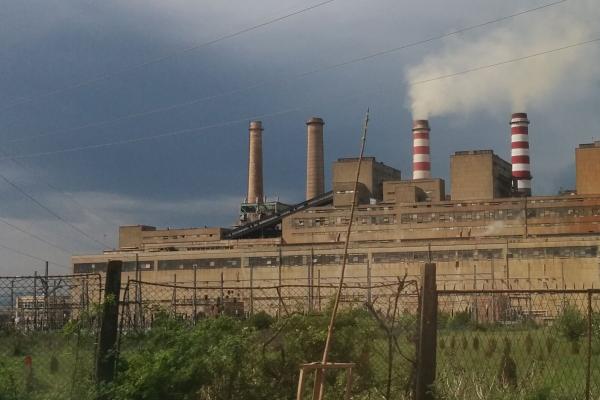
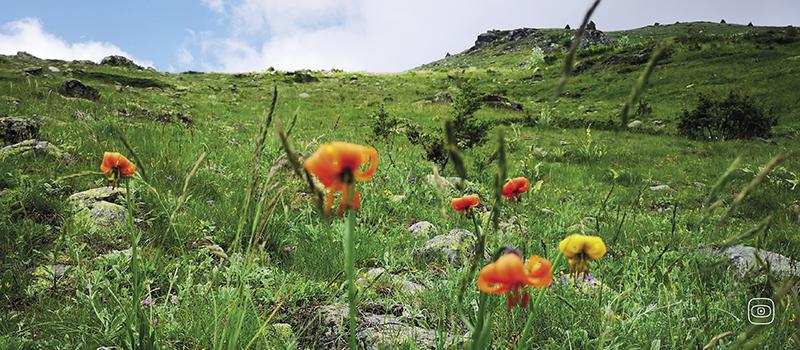
In North Macedonia, species such as the critically endangered bladder vetch survive only in tiny habitats, threatened by construction, energy projects and uncontrolled harvesting. The investigation contrasts these fragile systems with Austria’s Kalkalpen National Park, where clear mandates, stable financing and public education underpin effective protection.
The project results highlight the urgent need for political will, coordinated monitoring, and sustainable management to prevent biodiversity loss that risks erasing unique species from both countries’ natural heritage.
Key Findings
- Rare and endemic plants in BiH and North Macedonia face extinction due to weak enforcement.
- Demand for medicinal and ornamental plants drives shadow trade and uncontrolled harvesting.
- Lack of updated Red Lists and central registries leaves species unmonitored and unprotected.
- Construction, energy projects and urbanisation destroy critical habitats.
- Austria’s model shows that clear mandates, financing and education can safeguard biodiversity.