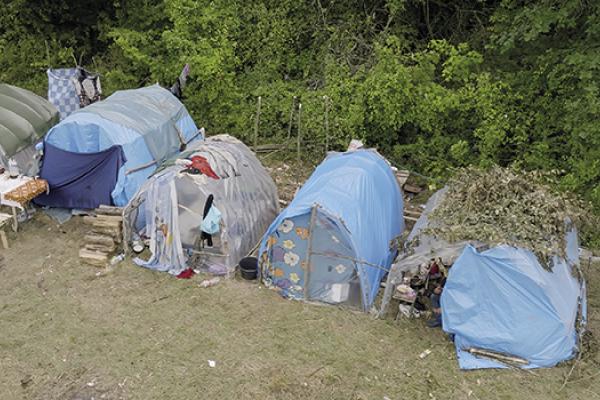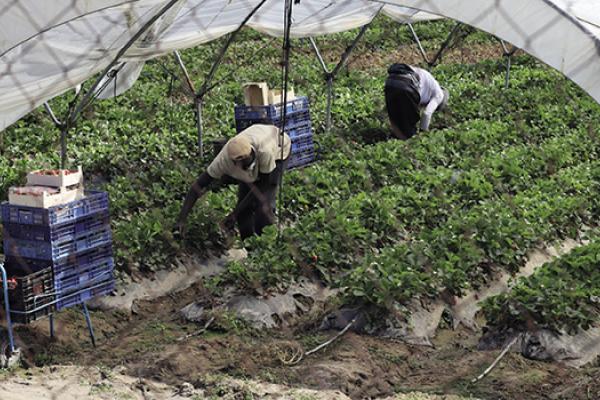
They are among the more than one million people who harvest the fruit and vegetables that Europeans buy in their supermarkets every day. Insiders have revealed how the power of a few European supermarkets to set low prices contributes to dire working conditions.
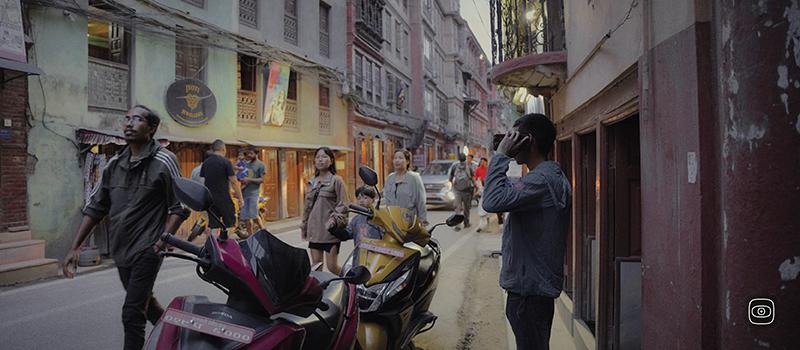
In Nepal, Avinash discusses the cost of a 'visa' to Portugal, where Kirti is already picking blueberries, burdened by a €14,000 loan. In our investigation, we traced the informal network of agencies that 'organise' the labour force required for Portugal's berry boom.
Berries have become a firm favourite in European supermarkets over the last ten years. German and other European customers like to buy blueberries, strawberries and raspberries all year round. Portugal is providing more and more of this produce. Many of the workers come from southern Asia, from countries such as Nepal. Although Portugal has a relatively liberal visa policy, it has failed to organise the migration process. Informal networks and agencies exploit these gaps by charging high fees to prospective workers. Many find themselves in situations of debt bondage, needing years to repay loans of up to €15,000 with the little money they earn picking berries.
However, the agencies are not the only ones responsible for the precarious living conditions of Nepali migrants. Insiders from German and French supermarkets have told us how power is unevenly divided between big corporations such as Aldi, Lidl, Rewe and Edeka, and the farmers who supply them in Portugal and other European countries. Since producers depend on supermarkets to sell their produce, the supermarkets are able to set extremely low prices for the fruit and vegetables they purchase. Farmers tend to pass this pressure on to their workers by reducing their wages.
This investigation in Nepal, Portugal and Germany forms part of the feature-length documentary The Pickers, which explores the issues facing Europe's food system.
📸 Photo credit: Sulav Singh Chhetri