Through reporting from the Czech Republic, Lithuania, Italy and Finland, the project examines how different European countries approach the long-term storage of spent nuclear fuel, how local communities respond to these plans, and what tensions arise between climate goals, energy security and environmental responsibility.
Main findings from the Czech reporting
- The Czech government is accelerating plans for a deep geological repository for radioactive waste in connection with the expansion of nuclear energy and the prolonged operation of the Dukovany nuclear power plant. Experts warn that the expected volume of nuclear waste may exceed original assumptions.
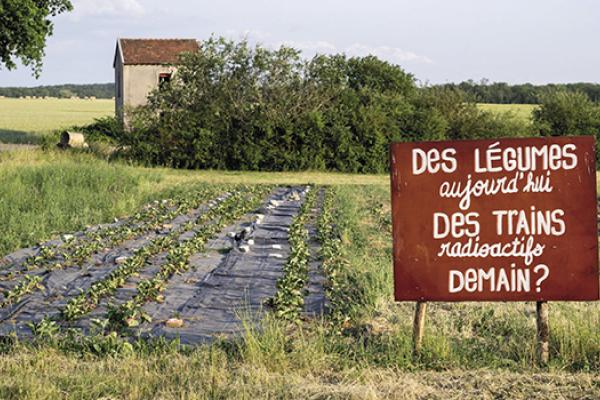
- Local communities in candidate regions strongly oppose the repository project. Residents and local officials say the state does not communicate transparently and is attempting to speed up the selection process without sufficient geological data and public consent.
- Municipal representatives fear long-term impacts on water resources, regional development and quality of life. In the Hrádek locality near Dolní Cerekev, concerns focus especially on groundwater protection because the area lies near a major European watershed.
- Critics argue that current Czech policy relies almost exclusively on permanent underground storage while giving insufficient attention to alternative approaches, including long-term monitored storage or future reuse of spent fuel.
Main findings from Finland
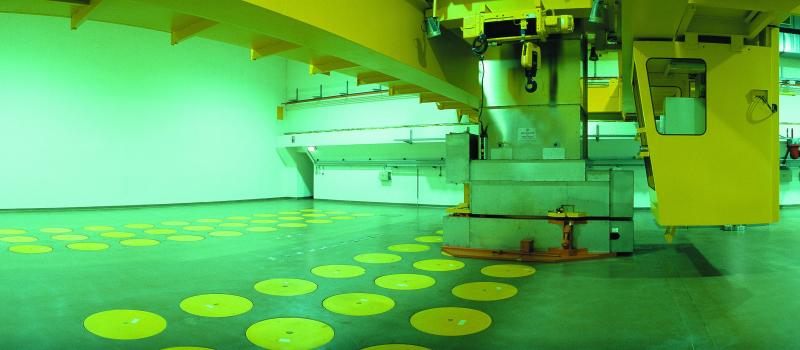
- Finland is close to opening Onkalo, the world’s first permanent deep geological repository for spent nuclear fuel, after more than three decades of research, permitting and public consultations.
- The repository is being built approximately 430 metres underground in stable granite bedrock and is designed to isolate radioactive waste for at least 100,000 years.
- Finnish authorities and the company Posiva emphasize that long-term public trust was built through transparency, extensive communication and the strong role of municipalities in the approval process. Local communities effectively had veto power over the project.
- Finland presents the repository as a practical solution linked to energy independence and long-term responsibility for nuclear waste generated domestically.
Main findings from Lithuania
- On FM99 side we conducted a long and detailed interview with the head of the Visaginas nuclear power plant about the closure process. We also spoke with the head of the plant’s Sustainability Department about how dismantled parts of the closed power plant are turned into scrap metal or melted down into other metal products. Some of the sold parts are reused – this is how the recycling chain works, leaving less and less waste behind.
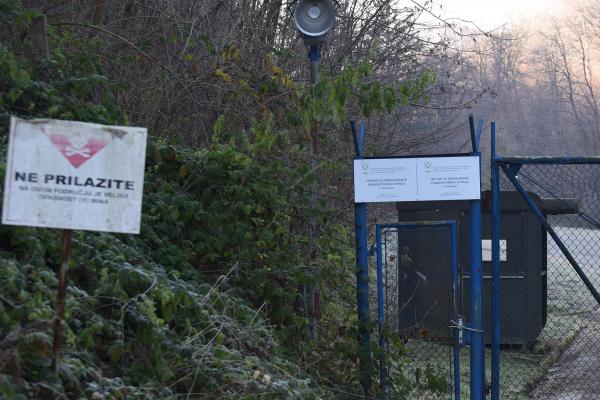
Photo by Kateřina Hefler, Březový potok one of possible places for nuclear depository