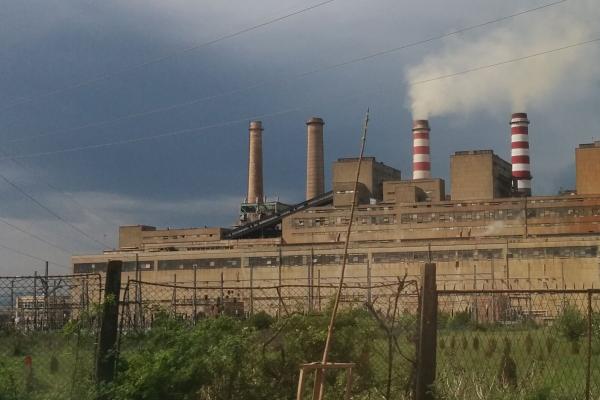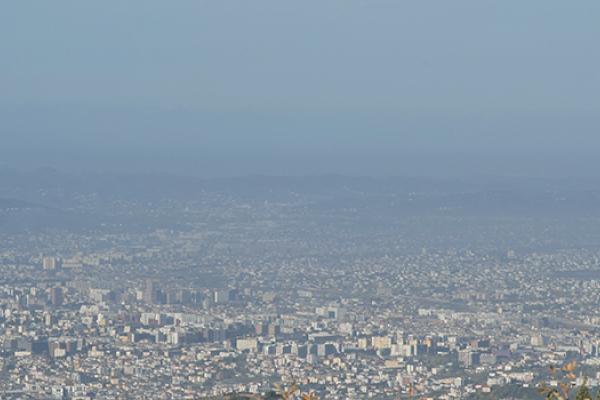

Residents describe summers when laundry cannot be dried outdoors, winters thick with smog, and daendless coal truck convoys that have already claimed lives on local roads. Plans to build a regional landfill on the site of an exhausted mine have caused great concern about health and safety.
Inside REK Bitola, workers speak of crumbling infrastructure, obsolete Soviet-era machinery and endemic corruption. Testimonies point to inflated excavation contracts, political patronage in recruitment, and costly imports of poor-quality coal that have damaged boilers and triggered repeated outages.
The government and state utility are committed to a transition: new solar and wind parks, retraining programmes, and eventual closure of coal operations. However, with 2,300 jobs tied to the plant and 66,000 workers nationwide at risk from the green transition, there is little support for this.
This investigation reveals how vast quantities of coal and fuel oil were bought to meet domestic electricity demand, consuming hundreds of millions of euros while generating losses. High production costs are masked by selling electricity to consumers at subsidised prices for social stability.
The journalistic team uncovered a scheme at REK Bitola involving falsified deliveries: the same trucks with identical loads entered and exited multiple times; coal was mixed with sand to increase weight; and laboratory records were manipulated to exaggerate calorific value, yielding millions in illicit gains. One company even received full payment before completing its contract. During the investigation, the Macedonian public prosecutor opened a case, freezing assets in Serbia linked to the firm’s owner, pointing to potential wealth amassed through fraud.
The situation in Serbia is exactly the same as in Macedonia: ageing fossil-fuel plants and manipulation of raw materials. In Obrenovac, a whistleblower showed the team photographs of imported coal mixed with stones. Management categorically denied the allegations, despite the irrefutable evidence in the media for years that electricity is produced by blending coal with mud. They had previously sued a journalist for reporting on these issues.
Power plants are the country's biggest air polluters. Serbia ranks among Europe's worst for air quality, with an estimated 14,000 premature deaths each year linked to pollution. The government has pledged to achieve a fully renewable electricity system by 2050, but this is unlikely to be met due to political realities and the state of the power company. Coal still accounts for more than 60 per cent of generation, renewables lag far behind, and the dependence on coal is still high.
Because the countries examined here are both electricity importers and transit hubs, the journalists compared them with an EU neighbour and with Germany. Germany is phasing out coal, converting former mines into lakes, recreation areas and nature reserves. Bulgaria, by contrast, continues to generate power by burning domestic and imported waste from Italy, compounding environmental harm. At the same time, Germany funds international projects supporting Serbia’s and North Macedonia’s shift towards renewables.
This investigation definitively documents the human and institutional crossroads of the energy future in Southeastern Europe — where local communities bear the burden of pollution, workers confront systemic mismanagement, and the states struggle to reconcile coal dependency with climate commitments.