Mineral coal is one of the main sources of energy in the world and the main cause of global warming due to the gases emitted during its combustion. The balance is not easy between Colombia, the largest coal producer in Latin America, and Germany, the largest coal consumer in the EU.
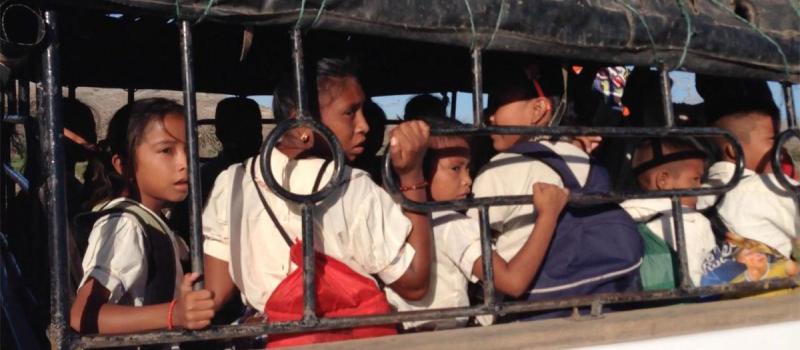
For several decades, the Colombian State, informally and manipulating the law, has ceded to international industrial conglomerates, Swiss giant Glencore among them, the territories which belong to indigenous communities. Essentially, it offers the possibility of exploiting natural resources with the minimum demands for environmental care and/or protection of human health.
In both Germany and Colombia, coal mining plays a significant economic role as it is an important source of wealth, but it is also the cause of the destruction of communities and natural spaces and the displacement and persecution of thousands of people.
But this situation affects respective countries in a very unequal way.
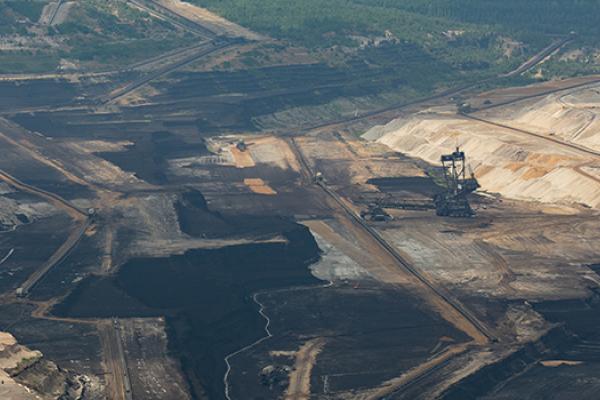
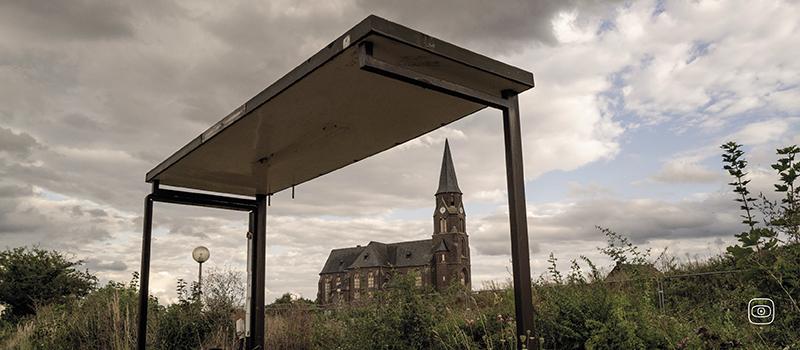
Image: © Cerrejon Colombia mine / This is a view of the old, abandoned church in the village of Manheim. The church was abandoned because the mining company RWE needs space around the Etzweiler project once the Manheim mine infrastructure is closed in August 2023.