Irresponsible decisions by the authorities in Romania and Bulgaria have led to natural and human disasters on the Black Sea beaches.
A flood of epic proportions swept across the beach at the Elenite resort in Bulgaria in 2025, claiming the lives of four people in a matter of minutes. A tragedy that could have been avoided had regulations regarding the protection of floodplains been adhered to.
But the local authorities allowed several tour operators not only to build hotels in the resort’s floodplain, but also to concrete over and narrow the natural channel through which the water could have drained away without affecting either the beach or people’s lives.
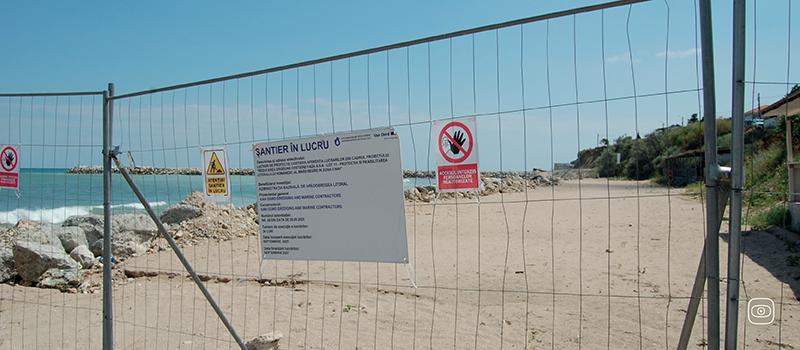
In Romania, a mammoth project to extend beaches along the entire coastline has created lethal hazards in the sea: particularly violent rip currents or, conversely, stagnant waters between breakwaters, with enormous pathogen potential, and beaches as hard as concrete.
The one-billion-euro project was carried through to completion against the advice of scientists.
Key Findings
Bulgaria
- The tragedy on Elenite beach was caused by a series of administrative decisions over the last half-century.
- The 1980 cadastral plan, for example, made no distinction between the region’s floodplain and the rest of the land.
- After the 2000s, local authorities issued planning permission for hotels within the floodplain, and the buildings acted as temporary dams.
- For practical tourism reasons, the floodplain was drastically narrowed and concreted over, causing floodwater to spill onto the beach.
- None of these illegalities can even be attributed to anyone: the hotel owners who broke the law are hiding behind offshore companies in Cyprus and the Seychelles.
Romania
- Right from the feasibility study stage, the beach extension project was flawed: the analyses and recommendations of scientists were ignored.
- Instead of targeted beach extension solutions where erosion was most severe, the preference was for extension along the entire coastline.
- The sand used was dredged from the seabed – this sand is coarse and contains a high proportion of shells, which has led to the destruction of the beaches.
- The beach widening and the construction of new breakwaters have increased the number of rip currents, which are extremely dangerous for swimmers.
- Several marine flora and fauna habitats have been totally or partially destroyed.
Methodology
The project methodology involved the use of legislative, commercial and geographical databases. As part of the project, Freedom of Information Act (FOIA) requests were submitted, and interviews and field visits were carried out to gather information.