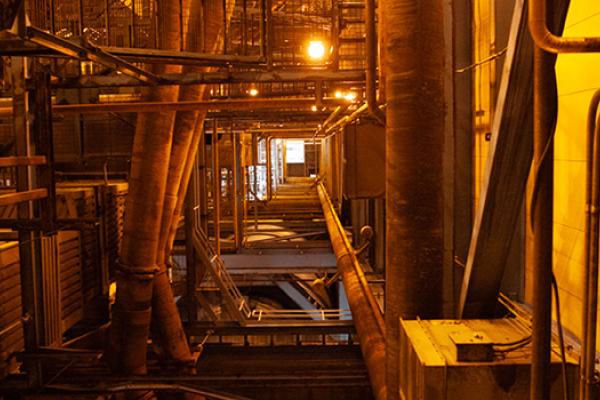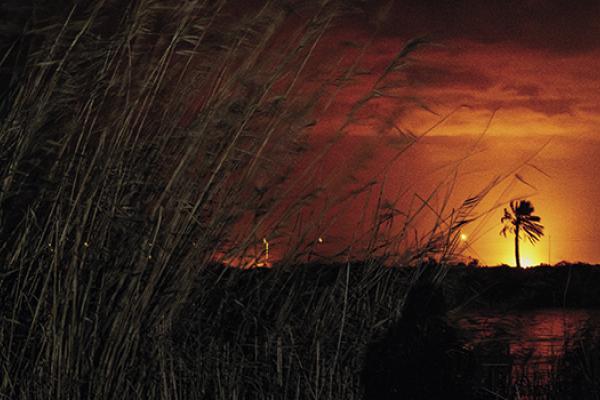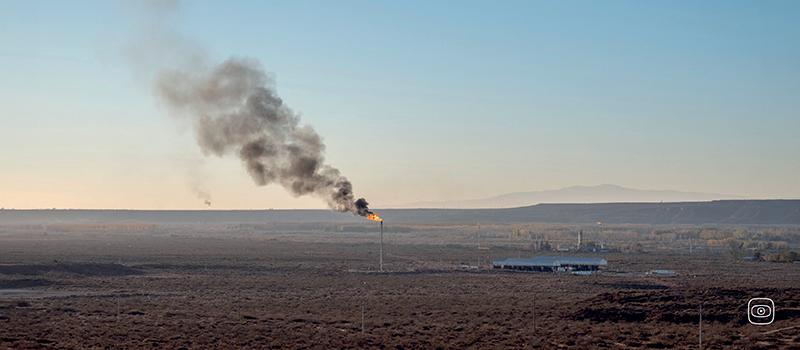
Over the years, however, the situation has changed. Today, foreign companies, particularly European energy corporations, play a significant role in the exploitation of Vaca Muerta’s oil and gas reserves. There are currently more than 2,600 active wells in the area. While these operations are presented as an opportunity for economic growth and energy development, they have also caused serious social and environmental harm, including land and water pollution, health problems among local residents, and the displacement of Indigenous communities from their ancestral territories.
Since 2012, under the Peronist government led by Cristina Kirchner, gas and oil have been extracted in the area using fracking, a technique that allows fossil fuels trapped in layers of rock to be extracted by injecting water, sand and chemicals at high pressure, fracturing the rock and releasing the hydrocarbons. Fracking is a particularly invasive technique for the environment and, according to numerous scientific studies, can cause serious environmental and health problems for people living near oil wells, including respiratory and skin problems, cancer, congenital abnormalities, miscarriages and pregnancy complications.
For years, residents, Indigenous communities and scientists have been raising concerns and protesting against the consequences of extraction, with their demands largely ignored by both the Argentine government and the companies operating in the region. This investigation examines the role of foreign, particularly European, energy companies in Vaca Muerta and the human and environmental costs of their operations.
Key findings
- Map of European companies operating in the area.
- Map of European countries importing gas and oil from the area.
- Percentage of gas and oil exported to European countries.
- Cases of people suffering from illnesses that may be caused by fracking.
- Residents whose homes have been damaged by repeated earth tremors that may be caused by fracking.
- Indigenous communities fighting against companies that have drilled wells on their ancestral lands.
Methodology
The first part of this investigation focused on mapping the foreign companies operating in Vaca Muerta: who they are, who owns their capital, which countries it comes from, which European countries they export to, in what proportions, and since what year they have been operating in the area.
We then went on to identify the human rights and environmental issues affecting the region. To document these, we conducted over 40 interviews with victims, scientists, political authorities, NGOs and communities of the Indigenous peoples of the area.