There is no comprehensive, state-level water retention programme in the Homokhátság (Sandy Plains) region of Hungary, which has officially been declared a semi-desert. Although solutions have been proposed, no real action has been taken. The situation in the Transylvanian region of Romania is similar: authorities are still trying to drain rainwater and channel natural water sources as quickly as possible, leaving the land dry and arid.
We take a look at two regions in Central and Eastern Europe that are developing rapidly: Kecskemét in Hungary and Transylvania in Romania. Despite experiencing increased climate stress in the form of more frequent droughts, declining groundwater levels and visible signs of land degradation, both regions continue to mismanage and waste water, with water management authorities failing to address the problem.
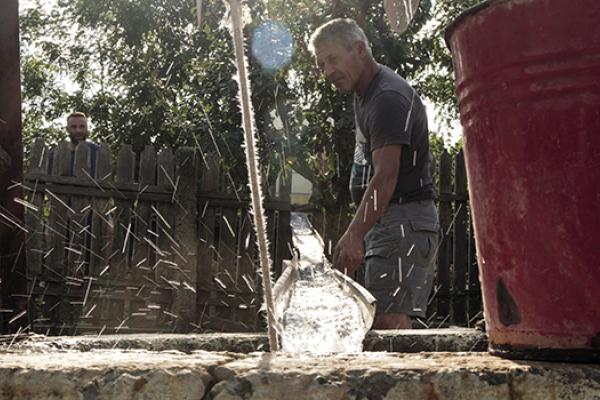
However, citizens have recently started to take matters into their own hands. They began constructing small, localised water retention systems, achieving remarkable and measurable success. However, some of these initiatives are quasi-illegal as they contravene public policy in both countries. This raises the question: why don't the relevant authorities step in to support these initiatives?
The story reveals how short-term thinking, fragmented governance and human inaction undermine long-term sustainability. It shows how the disconnect between the urgency of environmental issues and the failure of key stakeholders to respond is causing a quiet but growing ecological crisis.
Key findings:
- There is overwhelming evidence that the region of Homokhátság in Hungary and some parts of Transylvania are drying up quickly. Groundwater levels have fallen to an alarming low.
- Changing rainfall patterns are only part of the problem. Other factors include age-old policies of draining and channelling, as well as water misuse.
- Well-known techniques for water retention include recharge of backwaters and floodplain reservoirs, flood recovery, dredging, landscape rehabilitation, enhancing wetland vegetation and sustainable water management.
- However, neither region has a comprehensive state-level water conservation programme. Small communities and farmers are organising independently to combat drought, but with limited success.
© Image by Zsuzsánna Fodor: A farmer in Nyárádszereda, Romania, who was struggling with the drought, decided to flood part of his land. Ten years later, he has a beautiful lake with thriving wildlife and more than enough water for his livestock.