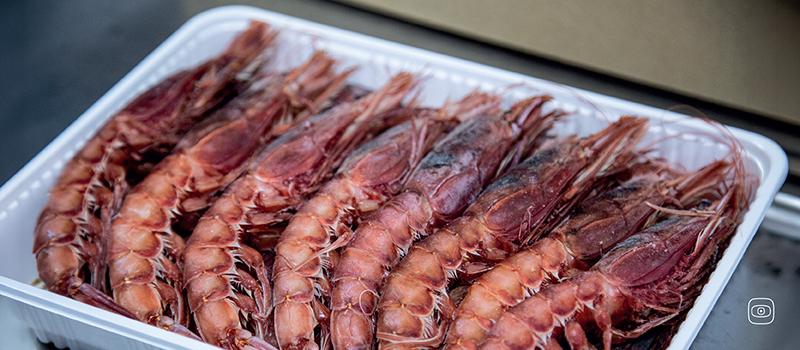
The “Mazara red shrimp” has become a symbol of the made in Italy more because of branding than due to any real uniqueness of the product. Originally a common crustacean, between the 1990s and 2000s it was transformed into a commodity and conquered international markets.
Today, however, the industry is in crisis: dwindling stocks, rising costs and European regulations are making local fishing increasingly unsustainable.
To remain competitive, shipowners must venture into richer waters, particularly those off Libya, in a context marked by geopolitical tensions and fragile agreements. In this scenario, opaque practices are proliferating, such as illegal transhipments – now recognised internationally – which meet market demand by circumventing the rules.
In recent years, Egypt has emerged as one of the most competitive – and also most dangerous for the Mediterranean ecosystem – among North African countries. Having acquired expertise from the Mazara del Vallo fishermen themselves, Egypt is now investing heavily (and harmfully) in the fisheries sector, facing very few restrictions.
One possible way forward lies in bilateral agreements and joint ventures: official agreements, certified by the relevant authorities and bodies, capable of ensuring clear rules, traceability and shared benefits between Mazara operators and North African partners. Clearly, fisheries are not yet a priority though, because, whilst private operators are pushing in this direction, the institutions are not responding adequately.
Meanwhile, foreign competition and the lack of transparency in the system are causing difficulties for local fishermen, who are forced to resort to transhipments to survive, whilst the “Mazara” label increasingly fails to reflect the product’s true origin.