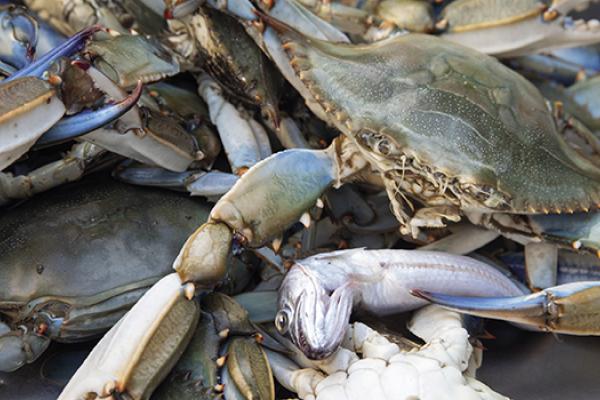

Dead zones are spreading across the Baltic Sea, suffocating marine life and expanding at an alarming speed. What started as a natural phenomenon has been transformed into an ecological time bomb by human activity.
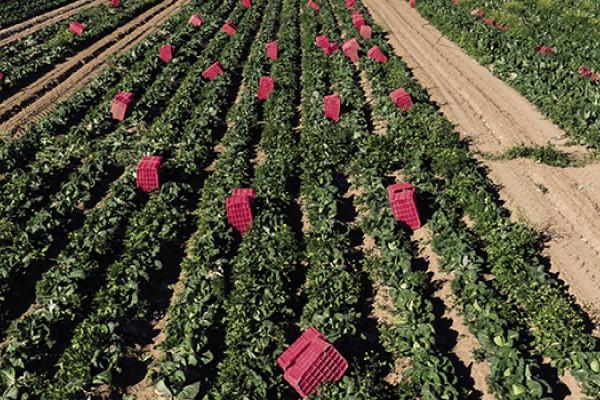
In theory, the Baltic Sea could cleanse itself. Mussels and seagrass filter out excess nutrients from the water, forming a natural buffer against eutrophication. However, decades of intensive agriculture across its nine coastal states have undermined this system. Throughout the 20th century, ever increasing volumes pesticides, fertilisers, and liquid manure were flushed into the enclosed sea, overwhelming its capacity for recovery.
Since the 1980s, the surrounding countries have reduced nutrient inputs, and in 2007 they reinforced their commitments through the Baltic Sea Action Plan. Yet the promised recovery has failed to materialise.
The reasons lie beneath the surface. Although fewer nutrients are entering the sea today, the total burden remains dangerously high. Nitrogen and phosphorus accumulated over decades, continue to exert their effects. As oxygen levels fall, phosphorus is released from contaminated seabeds, meaning the sea is now, in effect, fertilising itself. Climate warming accelerates every step of this vicious cycle.
This cross-border investigation examines the forces driving the decline of the Baltic Sea, with a focus on the Flensburg Fjord, which straddles the German-Danish border. Well-known to many Germans and Danes as the place where they took their first swim in saltwater, the fjord has become a microcosm of the wider crisis, where pollution, responsibility, and political authority do not align with national boundaries.
By mapping divided jurisdictions and tracing nutrient flows across borders, the journalists interviewed scientists, fishermen, divers, politicians, and farmers from both sides of the fjord. This reveals a clear pattern: poor coordination between states, gaps in enforcement, and limited accountability for agricultural practices that continue to fuel the spread of dead zones.
At the same time, new policy approaches are being tested. In Denmark, for example, the Green Tripartite Agreement unites the government, agricultural stakeholders, and environmental groups with the aim of reducing nutrient runoff and restoring marine ecosystems. This investigation examens the early implementation in the Flensburg Fjord region and examines whether it can overcome the structural failures that have undermined previous efforts, and whether its lessons can be applied to other vulnerable coastal areas of the Baltic Sea.
Image © Charlotte Schmitz.