The European Union's Polluter Pays Principle promises a simple idea: those responsible for environmental damage should bear the costs of preventing and remedying it. In practice, however, decades of industrial contamination have left communities across Europe carrying billions of euros in environmental, economic and health costs, while many polluters have avoided full accountability. From Brescia in Italy to Zwijndrecht in Belgium and Marseille in France, communities have been exposed to PCBs, PFAS and heavy metals- persistent pollutants linked to increased cancer rates and long-term health damage. Yet people living near these contaminated sites keep asking the same question: if the Polluter Pays Principle exists, why are local communities still paying the highest price decades later?
Part of the answer lies in the way the principle has been implemented. EU environmental legislation has largely focused on ensuring that polluters finance the prevention and remediation of environmental damage. But for residents living with the consequences of contamination – ill health, falling property values and years of financial uncertainty – obtaining compensation relies on lengthy legal battles, with no guarantee of success. As a result, while polluted land may eventually be cleaned up, the human costs are frequently borne by the communities themselves.
Key Findings:
- Although, under the Polluter Pays Principle (PPP), polluters may eventually bear the costs of environmental remediation, the European Union still lacks a horizontal legal framework that uniformly regulates compensation for health damage caused by environmental contamination.
- The PPP primarily focuses on repairing environmental damage, rather than compensating individuals and communities for the broader social and economic consequences of pollution.
- As a result, important forms of harm often remain unaddressed, including: loss of income and livelihoods for people living near contaminated sites, long-term health costs and medical expenses, reduced property values and economic decline in affected communities and psychological and social impacts associated with prolonged environmental exposure.
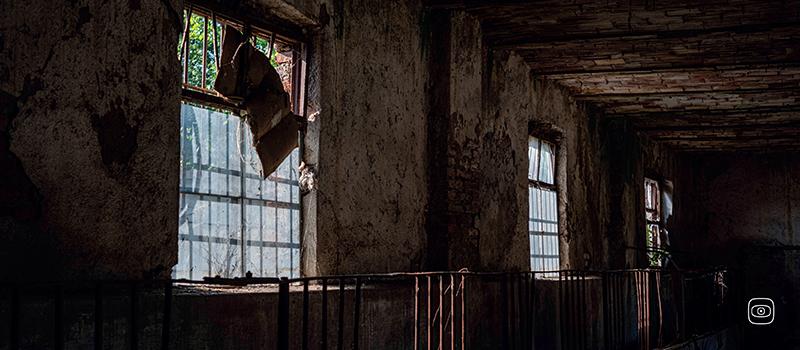
- A representative example is the case of Pierino Antonioli in Brescia, a farmer who lost the ability to cultivate his land and raise livestock because of contamination, while receiving no compensation for his economic losses. Pierino is also being treated for his fifth tumour.
- In Marseille, although a court ordered the state to require the site's owner, Ginkgo, to carry out remediation, little has happened, as the company has sought to limit the scope and cost of the clean-up. Meanwhile, despite unusually high cancer rates and official recommendations that some residents avoid using their contaminated gardens, residents' claims for compensation have been rejected.
- In Zwijndrecht, especially in the so-called 'red zone', the area closest to the 3M plant, nobody has received any compensation. Residents' blood is saturated with PFAS – including that of newborn babies. In 2022, €571 million was allocated by the Flemish government and 3M, but not a single penny of this amount is earmarked for damage to residents' health.
Methodology:
This investigation combines documentary research with field reporting. It is based on company registry reports, interviews with affected communities living near contaminated sites, and a review of legal documents related to environmental litigation and court proceedings.
Photo : Pierino Antonioli's empty barn in Brescia, abandoned since 2001 after Caffaro contamination forced him to stop farming and raising livestock. He has never received compensation for his losses. Credits: Stefano Nicoli