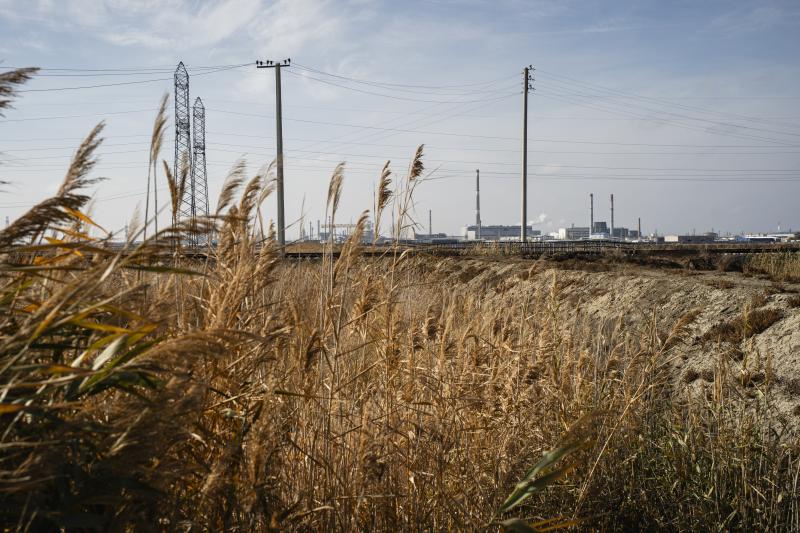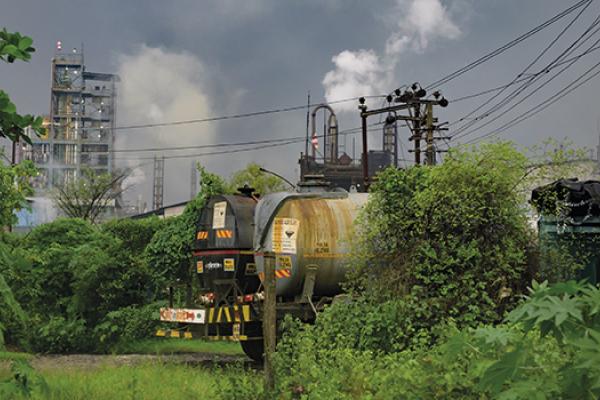
In Atyrau, the air is often barely breathable. Residents and activists describe persistent coughing, burning eyes and growing fears over rising cancer rates. Since the arrival of Western oil companies in the 1990s, the city has been transformed from a quiet fishing town into Kazakhstan's oil capital, where almost every sector of the economy depends on the fossil fuel industry. While no direct causal link has been established between oil and gas pollution and cancer, incidence rates have been rising across Kazakhstan, with Atyrau consistently recording some of the country's highest figures. Through on-the-ground reporting, satellite analysis of oil spills, and independent water and soil sampling at sites that residents and activists have long identified as contaminated, this investigation examines the environmental and social costs of oil extraction, and the price local communities are paying for the energy that ultimately reaches European markets.
Methodology:
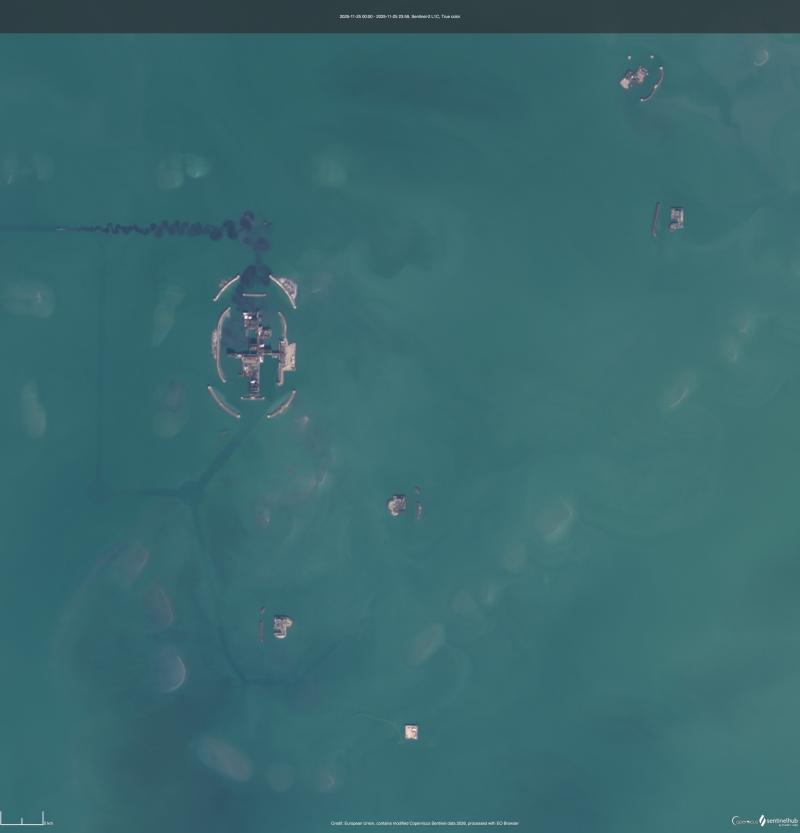
This investigation combined satellite imagery analysis, environmental sampling, and access to public records. We analysed data from the Transparent World dataset and Sentinel-1 and Sentinel-2 satellite imagery to identify oil spills in the Caspian Sea associated with operations of the Northern Caspian Operating Company (NCOC) consortium. In collaboration with local activists, we collected soil and water samples in areas adjacent to the city to verify the presence of contamination from petroleum products through independent laboratory analysis. We also submitted Freedom of Information requests to European Union institutions and the Italian authorities to obtain official documents concerning EU–Kazakhstan and Italy–Kazakhstan relations, with a particular focus on cooperation related to the country's energy sector.
Key Findings:
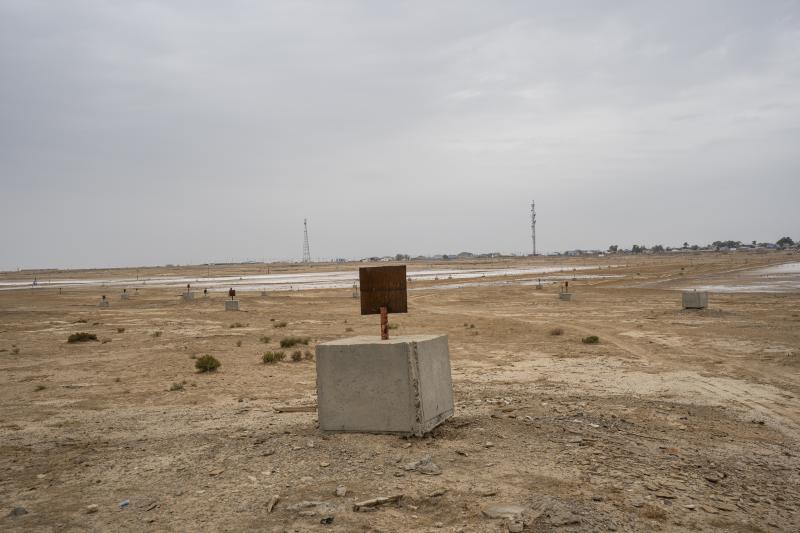
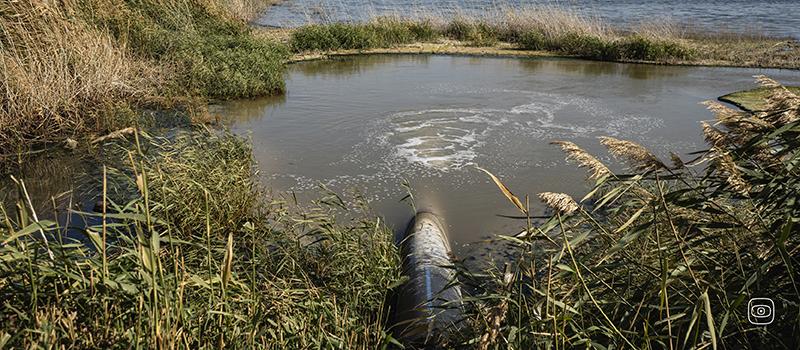
- Laboratory analysis detected contamination from petroleum products, cadmium, chlorides, and sulphites in soil and water samples collected from two heavily affected areas of Atyrau, known as Kvadrat and Tukhlaya Balka. According to local residents and environmental activists, both sites have long been used for the illegal discharge of untreated wastewater generated by oil and gas activities.
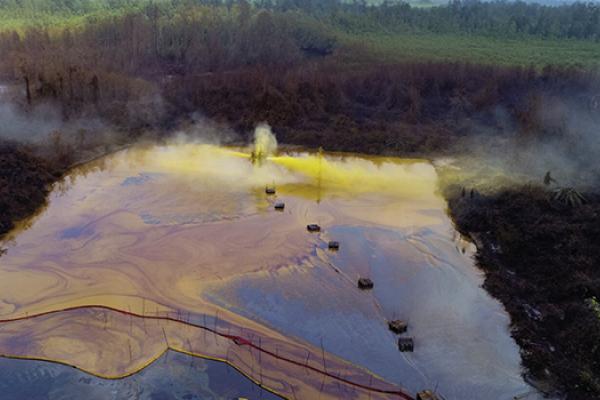
- Using Sentinel-2 satellite imagery, we identified four apparent oil spill events within the NCOC operational area in the Caspian Sea at different times during the past year. In response to our questions, the consortium stated that no oil spills have occurred within its area of operations since the beginning of its activities.