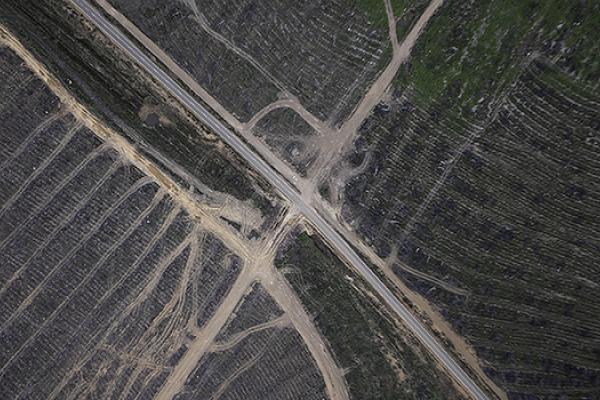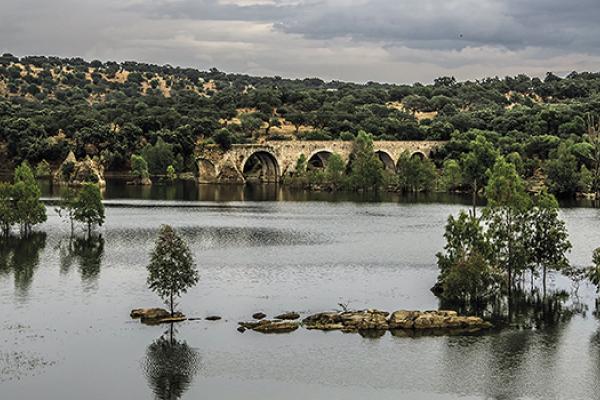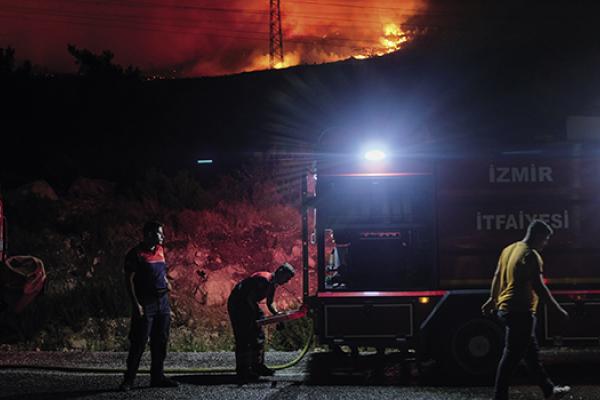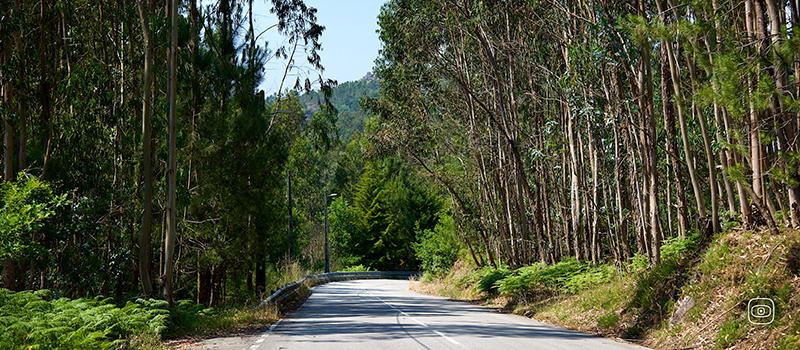
Eucalyptus and Forest Fires Across Galicia and Portugal investigates how the expansion of eucalyptus plantations interacts with a forestry model shaped by rural abandonment, fragmented land ownership, economic dependence and difficulties in enforcing forestry rules. GaliciaPress and O Mirante approached the issue from a cross-border perspective, combining documentary research, field reporting and interviews with academics, scientists, firefighters, landowners, public authorities, environmental organisations and representatives of the forestry and pulp industries.
The reporting shows that wildfire risk cannot be explained by a single factor. Fuel continuity, accumulated biomass, land abandonment, forest management and species composition interact in ways that can intensify fire behaviour and make prevention more difficult. The investigation also examined why restrictions and moratoria do not always translate into effective control on the ground, while documenting the economic reasons that make eucalyptus attractive to many small landowners.
The project also explored alternatives, including collective forest management, diversification with broadleaf species and other rural land-use models intended to combine economic viability with greater resilience to wildfire.
Key Findings
- Eucalyptus does not explain wildfires on its own. Experts highlighted the combined effect of fuel continuity, accumulated biomass, land abandonment, insufficient management and forest composition.
- Economic dependence is a central part of the problem. For many small rural landowners, eucalyptus remains one of the few forestry options capable of generating income within a relatively short time frame.
- The investigation found a gap between forestry regulation and effective enforcement, including difficulties obtaining sanctioning data and monitoring potentially illegal plantations.
- Galicia and Portugal share structural challenges, including rural depopulation, fragmented ownership, land abandonment and difficulties in forest governance.
- Alternatives to monoculture exist - including collective management, diversification and other rural land-use models - but scaling them requires organisation, incentives and long-term public policy.
Methodology
The investigation used a cross-border mixed-method approach. GaliciaPress focused primarily on documentary and data research, regulatory analysis, access-to-information requests and interviews with academics, scientists, forestry professionals, public authorities and industry representatives.
O Mirante concentrated strongly on field reporting and the social dimension of the investigation in Portugal, visiting affected territories and interviewing rural residents, landowners, firefighters, local authorities and forestry specialists.
The two newsrooms regularly shared findings and compared evidence from both countries to identify common patterns and differences in forest policy, land ownership, economic incentives and wildfire risk.