How can persistent drinking water problems remain while new ones are popping up everywhere in Europe, when appropriate European water laws are in place? After investigating real-life situations in several European Member States, the answers are obvious. There is a lack of good water governance, trustworthy data and adequate enforcement, and the sector is facing a serious investment gap. All these things can be addressed, but this needs to be done quickly, because reversing these kind of developments will be hard, if not impossible.
Key Findings
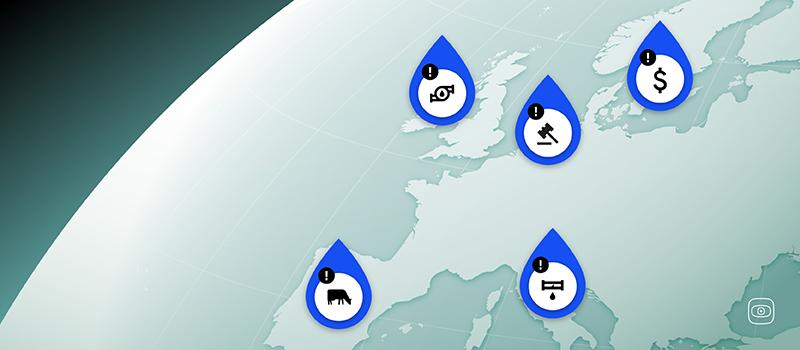
The team of journalists investigated five cases in different Member States, and the results are sometimes quite shocking. In Spain drinking water pollution by livestock farms is a big problem. It leaves many villages without safe and healthy drinking water. In Abruzzo more than half of its water is lost through old, never-replaced networks, while some areas go without water for days. “I shower down at the sea, because I know at home I can’t”, says one on the inhabitants.
In a water-rich country such as The Netherlands the drinking water supply system needs to change drastically. The national government needs to take the lead and start changing national laws to safeguard drinking water in the near future. In Sweden tensions are running high about drinking water prices due to the country’s aging water treatment infrastructure. In Ireland the drinking water supply of the city of Dublin is at stake due to failing infrastructure.
Methodology
The cross-border investigation combined desk research, field reporting and interviews across the countries examined. The journalists conducted interviews in person, online and by email and visited selected regions to document local water challenges and infrastructure.
The team also held regular cross-border meetings to compare findings, identify common patterns and develop new reporting angles.
Water-law expert Marleen van Rijswick provided legal guidance throughout the investigation and reviewed the articles to assess their interpretation of relevant European and national water legislation. Tom Trewinnard acted as the project advisor.