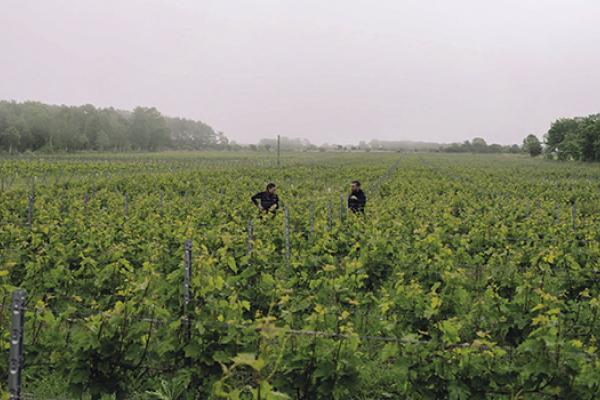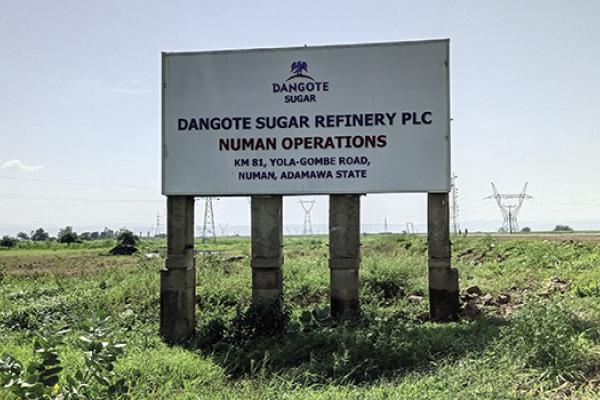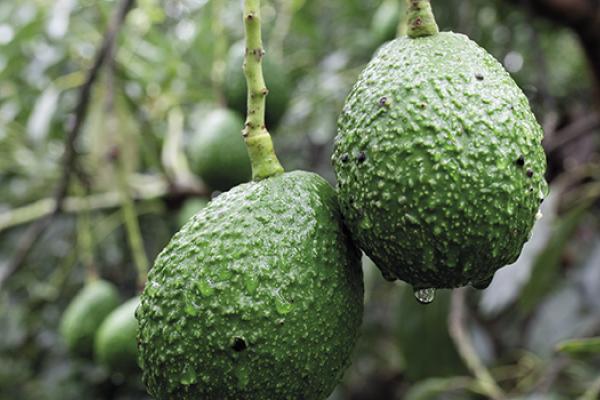

Each year, millions of litres of Fairtrade-certified wine and tons of citrus fruits from South Africa reach Europe, where they are stocked by major retailers such as Tesco, Marks & Spencer and the Co-op in the UK, Aldi and Lidl in Germany, as well as the state-run alcohol monopolies in Sweden and Norway. In these countries, shoppers of all ages trust the green-and-blue mark to deliver not only quality produce but also a measure of social justice.
Established in Europe in the 1980s as a way to empower disadvantaged producers in developing countries, the ethical labelling scheme first came to South Africa in the early 2000s, barely a decade after the country’s first democratic elections ended more than four decades of apartheid rule and resulted in the lifting of long-running international trade sanctions. Besides providing producers access to European markets, Fairtrade promised to help dismantle the systemic inequalities that centuries of colonialism and nearly fifty years of apartheid had entrenched.
Yet, two decades on, those aspirations remain largely unrealised. Interviews with more than three dozen current and former workers from over ten Fairtrade-certified wine and citrus farms across the Western Cape revealed that little has changed. Most estates remain in the hands of the same families, and exploitation continues to follow stark racial lines.
The abuses documented were not isolated lapses but signs of a system riddled with violations, some of which flout not only Fairtrade’s own standards but also basic human dignity. They revealed structural weaknesses running through the entire Fairtrade model: opaque governance of premium funding, uneven wages, substandard housing, inadequate training, hazardous pesticide protocols, and audits that too often appeared staged rather than independent.
Traceability, one bedrock of the Fairtrade system, also emerged as a critical point of failure. Although documentary traceability is mandatory for all Fairtrade products, in practice it is often impossible to follow a product back to its certified origin. Many brands do not disclose the names of their growers, suppliers or sub-suppliers, making it difficult to verify whether the produce on European shelves truly comes from farms meeting Fairtrade’s standards.
And while Fairtrade frequently emphasises its commitment to transparency and accountability, the organisation declined to answer questions for this story. All but one of the wineries, citrus producers and retailers contacted did the same, including the Manchester-based Co-op, which describes itself as the world’s largest retailer of Fairtrade wine.
Image by Adrian Kock.