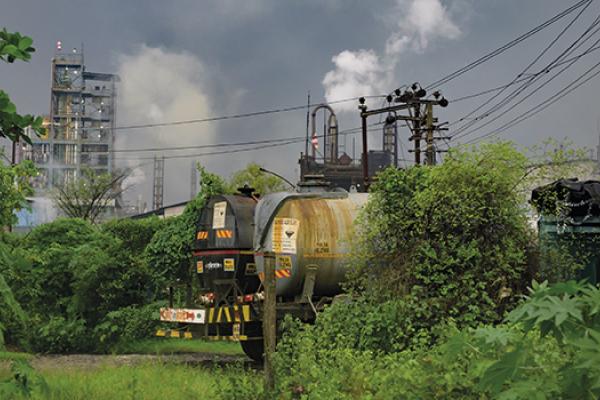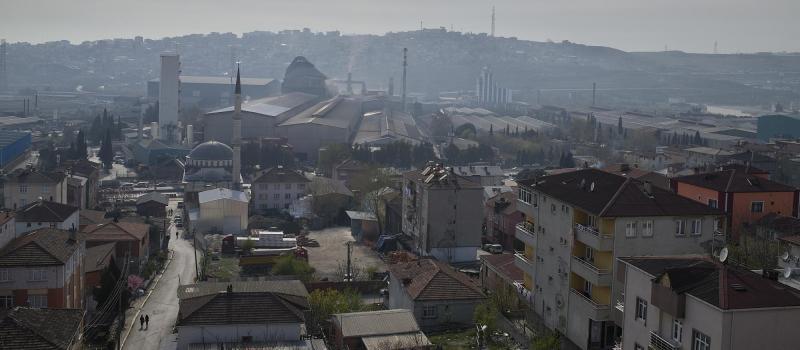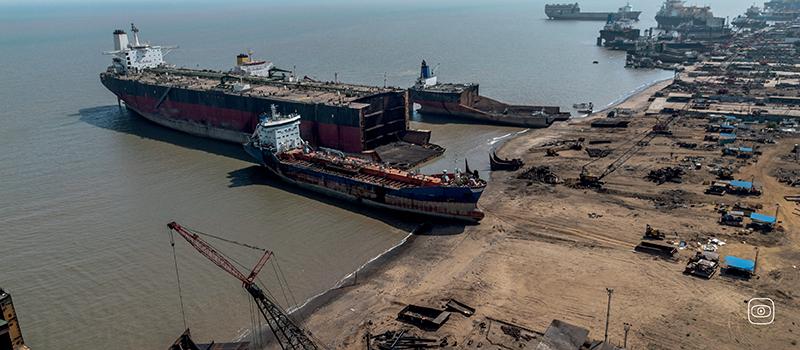
World trade relies on large vessels, many of which are owned by Europeans. But when these ships are no longer of use and need to be broken up, they are sent mainly to three destinations: Alang in India, Chittagong in Bangladesh, and Aliağa in Turkey. Here, workers dismantle them for their precious scrap metal and anything else worth salvaging. These massive hulls are typically taken apart with basic tools and inadequate protective equipment. It ranks amongst the world’s most dangerous jobs: accidents are routine, leaving scores of workers injured or dead. Others fall ill as they are exposed to asbestos, heavy metals, and other hazardous substances hidden inside the vessels.
In the summer of 2025, shipbreaking entered a new era. The long-awaited Hong Kong Convention (HKC), the world’s first dedicated treaty on ship recycling, finally came into force, promising to make the industry “safe and environmentally sound.” Its apparent success could ease existing environmental regulations for Western shipowners, making it easier to keep sending their obsolete vessels to the Global South.
Our investigation across three of the world’s largest shipbreaking countries reveals a different reality. In all three hubs, reported cases and evidence gathered by our team suggest significant gaps in the enforcement of the Hong Kong Convention. Negligence and impunity remain commonplace as preventable accidents continue to kill and injure workers, and toxic debris from ships harms the ecosystems that surrounding communities depend on.
Key findings
- Data obtained from the NGO Shipbreaking Platform shows that European shipowners still predominantly send obsolete vessels to South Asia, using complex networks of intermediaries and “flags of convenience” to bypass environmental regulations and maximize profits.
- Fieldwork and visual evidence indicate that shipbreaking yards in India and Bangladesh remain polluted despite purported improvements. Debris litters the tidal zones, while cutting occasionally occurs directly on beaches in India, allowing hazardous substances to leak into the water.
- Local fishing communities in India and Bangladesh said that pollution from shipbreaking has made nearby waters toxic and severely depleted fish stocks and catches.
- Workers in India and Bangladesh report earning only a few dollars a day and frequently working without formal contracts or adequate protective equipment, despite requirements set out in the Hong Kong Convention.
- Court documents and interviews with workers, relatives, and experts show that negligence directly contributes to workplace fatalities at Turkish yards. This follows a larger trend of Turkey’s exceptionally high worker mortality.
- Workers, activists, and experts in Bangladesh and Turkey report that workplace accidents and deaths are routinely settled through “blood money” payments to relatives, discouraging legal action.
- Before one of Bangladesh’s deadliest shipbreaking accidents in the summer of 2026, a visit to the respective yard and off-site worker interviews indicated systematic failures to implement safety standards.
- Social media visuals scraped from India and Turkey reveal severe, ongoing failures to meet both workplace and environmental safety standards.
- In Bangladesh and India, shipbreaking fuels a vast, unregulated downstream industry in which many informal workers unknowingly handle potentially hazardous materials.
- Fieldwork and data analysis indicate that India and Turkey have become major hubs for dismantling the shadow fleet and sanctioned vessels. These ships often arrive under murky circumstances and may pose greater environmental and safety risks due to missing documentation.
Methodology
The team conducted extensive fieldwork in India, Bangladesh, and Turkey, carrying out nearly 100 interviews with activists, industry officials, experts, workers, and yard owners. To document malpractice and violations of local and international regulations within shipbreaking yards - spaces that are typically off-limits and subject to restricted access - the team also used a range of investigative methods, occasionally with the help of local reporters, as well as social media scraping techniques to gather visual evidence. Other documentation, including court and medical records, was also collected. Databases, including those from the NGO Shipbreaking Platform and OpenSanctions, as well as satellite imagery and other OSINT tools, were used to identify the flow and identity of ships sent to shipbreaking yards.