
In 2021, large quantities of mucilage appeared on the surface of the Sea of Marmara and the northern Aegean Sea in the form of wispy, fibrous layers. These layers then thickened into dense, brown-grey masses that covered large areas of the sea. Despite long-standing warnings from scientists, authorities and marine-dependent communities were caught off guard. Five years later, our cross-border investigation reveals that the crisis continues to grow across Türkiye, Greece and Italy.
Although mucilage formation is a natural biological process, human activities have amplified it: these include the discharge of untreated or inadequately treated wastewater, nutrient overload from agriculture and rivers, overfishing, and rising sea temperatures linked to climate change.
One of the greatest challenges in addressing mucilage is that most of it sinks to the seafloor and is therefore hidden from view. What appears to be a surface phenomenon is only part of the picture: thick layers accumulate and consume oxygen, threatening benthic life and making monitoring and accurate assessment extremely challenging.
A clear picture emerges when interviews with over 100 scientists, fishers, experts and local authorities are combined with pollution and environmental data: responses remain fragmented and non-systemic, while the impact of mucilage is becoming increasingly unsustainable.
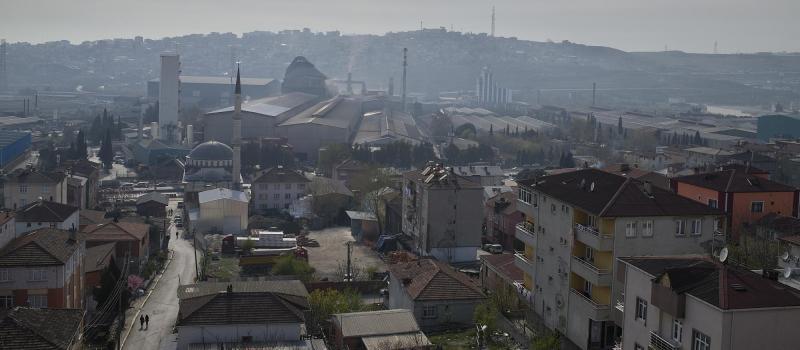
In Türkiye, the Sea of Marmara is approaching ecological collapse. Scientists report that below 25 metres there is virtually no oxygen suitable for life, with expanding anoxic zones and growing hydrogen sulphide accumulation.
What happens in one basin affects the next: the mucilage forming in the Sea of Marmara reaches the Northern Aegean, with local causes - such as river discharges, agricultural nutrients, and other point-source pollutants- also playing a decisive role in the occurrence and intensity of the phenomenon.
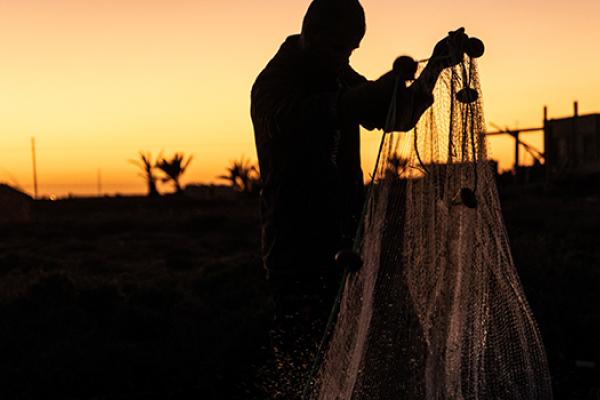
As a result, in Greece, mucilage appears almost every spring in the Thracian Sea, around Limnos, Samothraki, and the Alexandroupolis area. Although it does not reach the intensity observed in 2021, it can persist for up to three months, resulting in significant ecological and socio-economic impacts. Local fishing communities struggle each spring as thick mucus clogs their nets and drags down catches, shrinking incomes, while on the seabed, octopuses and other benthic species suffocate under layers of mucilage.
The most recent major mucilage outbreak in the Adriatic Sea occurred in 2024, severely impacting tourism and fisheries. Since 2024 and even more heavily in 2025, the Adriatic has experienced one of the most severe mass die-offs of molluscs ever recorded, affecting key species such as clams and mussels. Rising sea temperatures, extreme weather events, and high organic loads created hypoxic conditions that proved fatal for bivalves.
Μucilage is a visible symptom of marine ecosystems in extreme distress. Responses so far have been fragmented; according to experts, tackling the problem requires coordinated monitoring, urgent upgrades in wastewater and agricultural runoff management, and regional cooperation.
Key Findings
- In the Marmara Sea, there's been a decrease of around 25% in fish species diversity, and from a biomass perspective, a decrease of around 20% in 2021. Benthic ecosystems have been severely damaged: Seagrass, mussel, and sponge populations, declined by nearly 90%, are struggling to recover, but increasingly frequent mucilage formations threaten their survival.
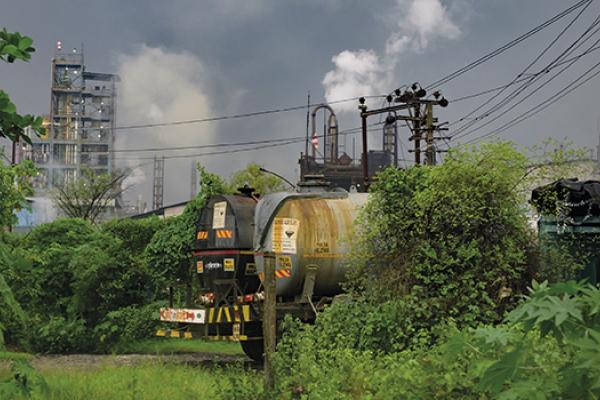
- Untreated wastewater remains a major driver of the crisis. Industrial facilities around the Sea of Marmara have been discharging their wastewater directly into the sea for decades. Despite new regulations introduced after the 2021 crisis, approximately 50% of wastewater is still discharged without adequate treatment.
- In the Turkish cities facing the Marmara Sea, advanced biological treatment, the most effective solution, has only been applied to 0.07% of wastewater in the last five years, revealing a significant implementation gap.
- No solution has yet been found for the enormous pollution load discharged into the sea by rivers such as the Ergene, Nilüfer and Gönen in the Marmara Basin, Evros in Greece.
- In Chioggia and the Po Delta in the Veneto region in Italy, up to 70-80% of clams died, with devastating impacts for the local fishing industry.
- With the 2021 outbreak, all shellfish farms in the Thracian Sea were destroyed, in combination with the sharp increase in temperatures.
- In Greece, despite repeated requests from coastal fishermen, they have not received any compensation for the three-month disruption to their work caused by the mucilage.
- Although the scientific recording of the impacts of the phenomenon in Greece has been very limited and there are no data on its effects on benthic organisms -relying solely on fishers’ observations- significant steps have been taken over the past year to develop a reliable monitoring and early-warning platform for marine mucilage, aiming to alert fishers in time and mitigate its impacts.
Image by Associate Professor Nur Eda Topçu from İstanbul University, Marine Biology Department.