Across categories and countries, the Shortlist is a portrait of institutions failing the people they exist to protect and of the journalists who held them to account.
Cristian Lupșa, Chair of the Preparatory Committee of the European Press Prize, explains: "What stood out again this year is the quality of journalism being produced across Europe, in newsrooms large and small, often under pressure and with limited resources. The range of entries reflects something important: all stories have a place here, from large cross-border collaborations to deeply reported local pieces that matter enormously to the communities they serve. What these stories show, collectively, is that journalism still holds space for complexity, for context, and for human experience. It remains a source of understanding, accountability, and, in many ways, hope."
The 2026 Shortlist spans five categories: Distinguished Reporting, Innovation, Investigative Reporting, Migration Journalism, and Public Discourse. It includes work by individual reporters and cross-border collaborations involving dozens of media partners, hundreds of thousands of documents, and journalists working across multiple languages and continents.
Four Journalismfund Europe Supported Investigations Among the Nominees
Scrap Wars investigation by Sofia Cherici, Andrés Mourenza, Mohammed Bassiki and Doğu Eroğlu, proving that conflict-zone scrap metal stripped from bombed neighbourhoods in Syria, Libya and Ukraine is funding active war machines, with exclusive documents implicating Assad's presidential palace is nominated in the Investigative Reporting category.
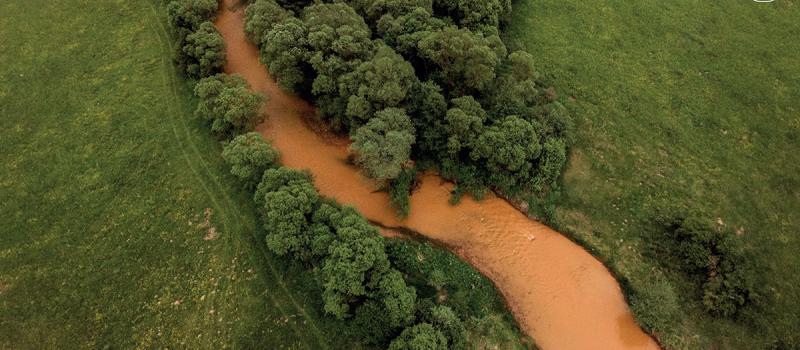
The Forever Lobbying Project by Stéphane Horel, Raphaëlle Aubert (coordinators, Le Monde (France)) and 44 journalists, academics and media partners in 16 countries, that calculated the cost of PFAS "forever chemical" pollution remediation in Europe at over €2 trillion, is nominated in the Innovation category.
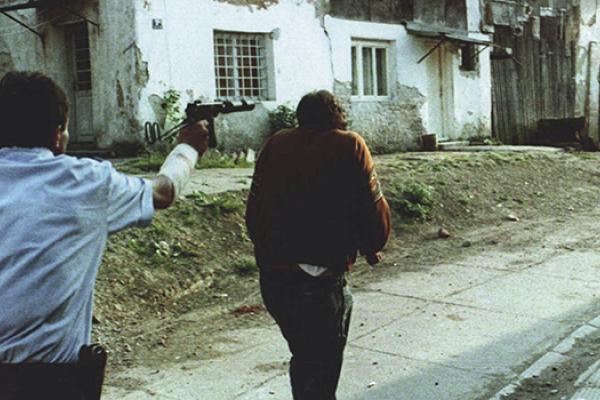
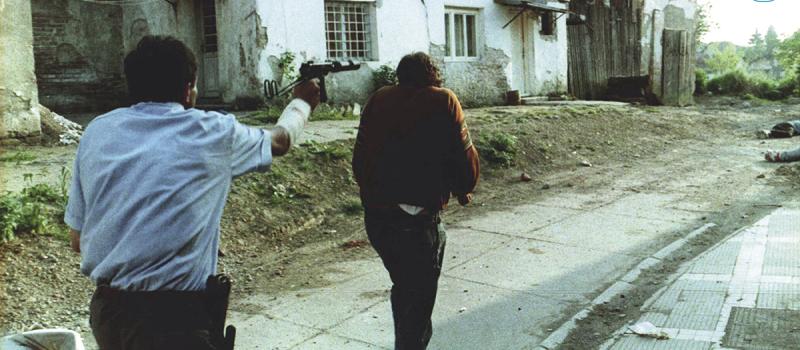
Killing for the Photo investigation by Barbara Matejčić, BIRN (Serbia),and Novosti (Croatia), reporting on the chilling circumstances surrounding the only professional photograph to capture the act of execution during the Bosnian War in the former Yugoslavia is nominated in the Distinguished Reporting category.
Hamshika's puzzle investigation by Hamshika Krishnamoorthy, Hannah Kirmes-Daly, Leon Spring, Benja Zehr, Al Jazeera (International) telling the story of how a Sri Lankan woman seeking asylum in the UK ended up in Rwanda nominated in the Migration Journalism category.
The Shortlist was selected by the European Press Prize's Preparatory Committee and assessed against the Prize's standards of editorial independence, verified sourcing, public interest relevance and accountable editorial process. Winners will be determined by the Panel of Judges and announced on 3 June at the Calouste Gulbenkian Foundation in Lisbon.
Jennifer Athanasiou-Prins, Executive Director of the European Press Prize: "The 2026 Shortlist reflects what we mean by quality journalism at the European Press Prize: independent, in the public interest, and committed to serving democracy in Europe. These are works that transcend borders and remind us what is at stake when the space for independent journalism is eroded, and with it the ability to hold power to account."
The full Shortlist is available at: https://www.europeanpressprize.com/shortlists/year-2026/