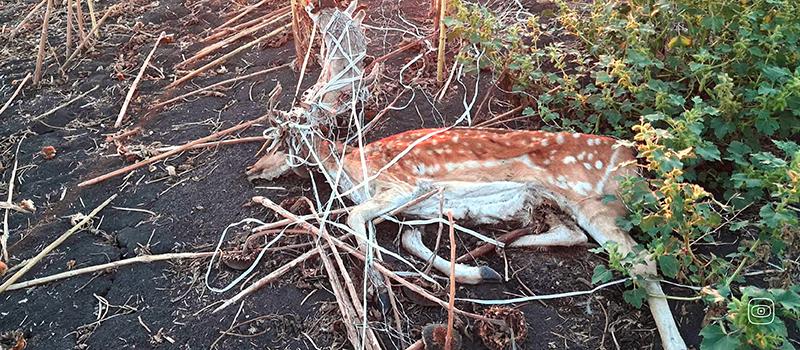
This cross-border investigation explores the environmental and social consequences of electric fencing, a largely overlooked issue in both countries. In both Romania and Hungary, electric fences can cause serious injuries and deaths among ungulates such as deer and roe deer, which may become entangled in wires or get their antlers caught. In Romania, the expansion of electric fencing also raises concerns about its impact on bears, wolves, lynx and other wildlife, particularly where fences obstruct important ecological corridors.
The articles examine how poorly regulated fencing can fragment habitats, alter animal movement and push wildlife towards settlements, potentially increasing damage to livestock and property. They also investigate the consequences of Romania’s public subsidies for electric fences, introduced without a comprehensive regulatory framework addressing wildlife protection and nature conservation.
The investigation looks beyond environmental impacts to explore who bears the costs of these changes. As more landowners install fences, often with public support, people who cannot afford such systems may become more vulnerable to wildlife damage and its economic consequences.
By comparing the situation in Romania and Hungary, the investigation reveals gaps in existing legislation, document the consequences for wildlife and affected communities, and examine how better regulation and wildlife-sensitive fencing practices could reduce harm.
Photo caption: Fallow deer died after getting entangled in electric fence wires. It seems this problem is more widespread than previously thought. Photographed by Kismancsból Tappancs Állatvédő Egyesület