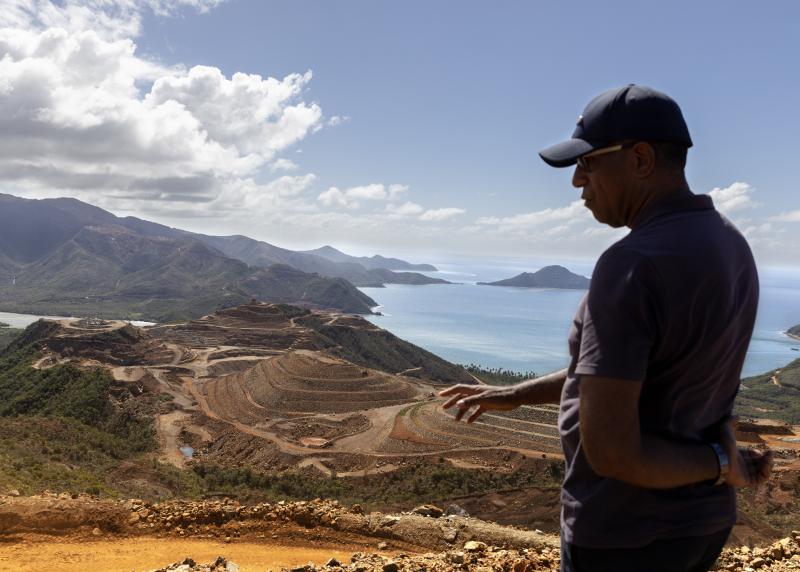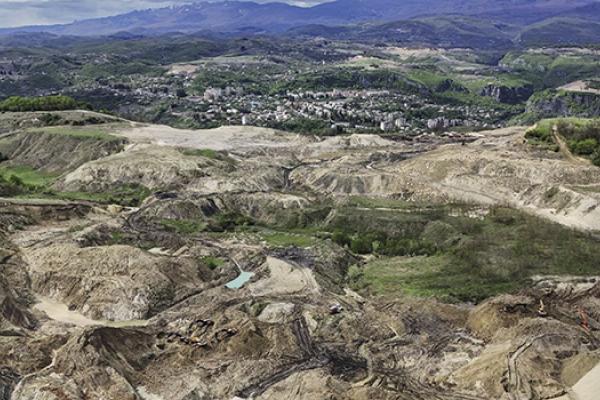
New Caledonia sits at the intersection of Europe’s energy transition and one of the Pacific’s tensest anti-colonial struggles. The French territory holds up to a quarter of the world’s known nickel reserves, a metal essential for electric car batteries and renewable energy infrastructure.
For the European Union, the island is a potential source of “European” critical minerals. Under the Critical Raw Materials Act from 2024, Brussels aims to secure strategic supplies and reduce dependence on Chinese controlled supply chains. The question where the nickel goes is one. Another is: Who actually owns the land where it is mined?
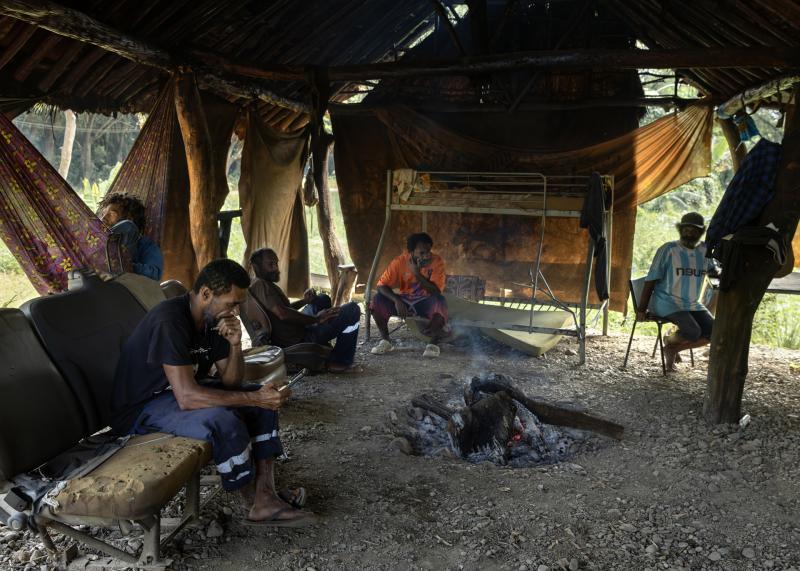
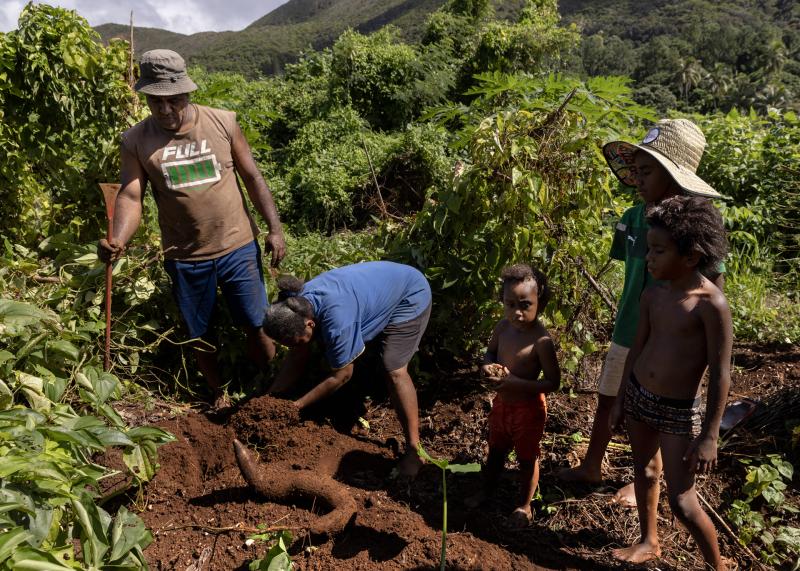
In the village of Nakety, one Grand Chef of the Kanak people, argues that the surrounding mountains remain zone coutumière, territory governed by customary Kanak authority rather than by Paris. The government leasing concessions on this land would then be void. During the 2024 Kanak uprising, local youths blockaded the mine, operated by a French company. Negotiations eventually produced an unusual arrangement: the Kanak community took over operations for a symbolic sum, with profits gradually buying out the previous owners. This arrangement is now the blueprint for Kanak chefferies all over the island.
The takeover occurred as New Caledonia’s nickel industry entered its deepest crisis in decades. Once a global leader, the territory has been undercut by Chinese backed production in Indonesia, with lower costs and weaker environmental standards. The collapse has hit an economy in which nickel accounts for roughly 10% of GDP, 90% of exports and around a quarter of all jobs.
For many Kanak, the economic crisis has shattered the political compromise that followed the violent conflicts of the 1980s. They argue that France has moved away from earlier promises of self determination, while the proposed expansion of the electorate body would permanently reduce Kanak political influence.
This investigation traces how a local struggle over a mine became part of a much larger contest involving colonial history, global battery supply chains, Chinese industrial policy and Europe’s search for strategic autonomy.
Key Findings:
- New Caledonia holds between 7% and 25% of the world’s known nickel reserves, depending on the calculation method, making it one of the most strategically important territories for the global battery industry.
- The 2024 riots evolved from a constitutional dispute into a direct confrontation over land ownership, mining rights and political sovereignty.
- A mine blockaded during the uprising in Nakety is now being operated under Kanak community control through a negotiated buyout arrangement.
- Tesla secured roughly one-third of its battery-grade nickel supply from New Caledonia in 2021, explicitly citing the territory as a source of “clean” and sustainable nickel.
- Despite EU efforts to build European critical mineral supply chains, much of New Caledonia’s nickel is exported to Asian markets, including South Korea and China, before entering global battery manufacturing, also mostly in China.
- Chinese backed production in Indonesia dominates the global nickel market, with Indonesia supplying roughly three quarters of world output and Chinese companies controlling large parts of the processing chain.
- New Caledonia’s remaining major producer, the SLN, is one of the few large nickel operations outside direct Chinese control, yet it continues to sell significant volumes into Chinese markets.
- The territory lost an estimated 18% of GDP and around 15,000 jobs after the 2024 crisis, making it one of the sharpest economic contractions recorded in the region.
- Kanak customary leaders increasingly reject not only French rule but the legitimacy of the colonial political framework itself, arguing that sovereignty begins with traditional clan authority.
- EU-designated “Strategic Projects” in New Caledonia have received political backing from Brussels, but local conflicts over land continue to threaten supply security.
Methodology:
This investigation combines field reporting in Nakety, Nouméa, Koné, Yaté, Voh and a dozen more mining and coutume areas. Interviews were conducted with Kanak authorities, state representatives, parliamentarians, environmentalists, lawyers, geologists, anthropologists, mining executives, workers and local residents. It also draws on French government documents, EU policy papers, United Nations classifications regarding New Caledonia’s status, and historical records related to colonisation, mining development and the independence movement.
Particular attention was paid to the structure of nickel supply chains, the impact of Chinese investment in Indonesia, and the role of multinational battery and automobile companies in securing access to New Caledonian nickel.