The Future Is Brown: Fresh Coal Plants for the Balkans
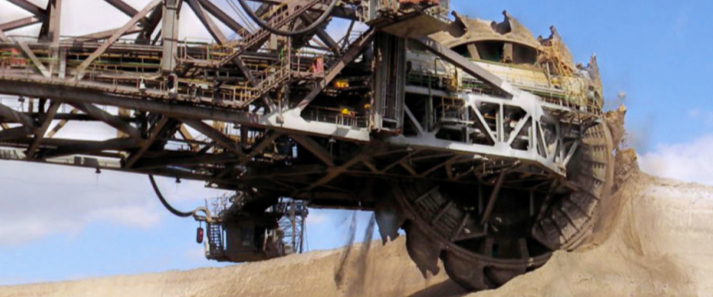
STANARI - While the Western Balkans have a widely untapped potential for green energy, Balkan governments like Serbia, Kosovo and Bosnia-Herzegovina are locking national energy systems into outdated and heavily polluting coal infrastructures for decades to come.
BRUSSELS - Because of the unrest in the Ukraine and the Middle East the past year, Europe has become acutely aware of its energy dependency. Brussels presented a new European Commissioner for Energy Union, but real collaboration is still a long way off.
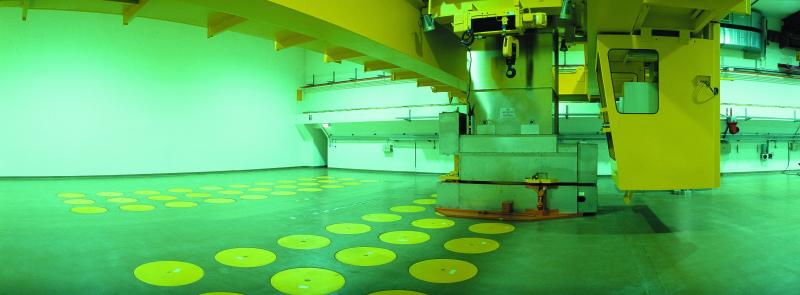
DESSEL - It is likely that the Belgian government will give the green light for the final underground disposal of nuclear waste before the end of the year. Cost: several billion euros. The taxpayer pays almost half of that. It remains to be seen whether the largest waste producer Electrabel will pay ...
KIVU - Without fuel our cars will stop moving; it is something we all know and realise. Far less of our attention is aimed at raw materials. Unrightfully so, because without raw materials cars it would not even be possible to make cars. The average car contains about a mile of copper wire, copper ...
Bolivia takes production of lithium into own hands
SALAR DE UYUNI - Uyuni is a backward region in the South of Bolivia. Bult the salt lake of Uyuni is rich with lithium, the commodity for the production of batteries, soon also for batteries for electrical vehicles. For this raw material a game of chess is being played between some multinational ...
MUMBAI - With financial support from the Fonds Pascal Decroos, Nick Meynen followed carbon credit money flowing from Belgium to India, where he discovered a desert full of mirages. Part from the fraud and abuse, he also noticed the difference in approach between Flanders and Belgium, the buyers of ...
BUDAPEST - One year ago, the Belgian government purchased two million tonnes of CO₂ emission rights from Hungary. This €26 million investment is intended to help the country meet its obligations under the Kyoto Protocol to reduce emissions by 7.5 per cent by 2012 compared to 1990 levels.