VALENCIA - In recent years, several European countries have faced devastating floods, sparking discussions on how to mitigate or prevent such disasters. In Spain, the tragedy in Valencia in October 2024 has led to the exploration of solutions like early warning systems, architectural adaptations ...
Italian Energy Company Behind “Green Grabbing” in Brazil
BAHIA – This cross-border investigation analysed how wind parks owned by Enel, the major Italian energy company, appear to be linked to green grabbing in Brazil.
AMSTERDAM – The Investigative Teaching Lab was an intensive on-the-job training course for European investigative journalists, developed by The Investigative Desk, a Dutch non-profit for investigative journalism.
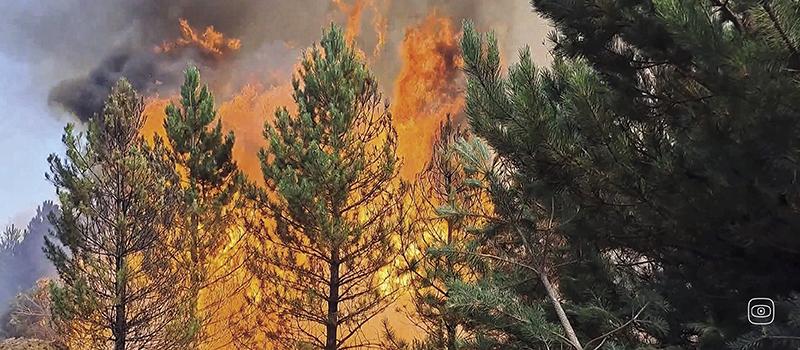
SKOPJE / SOFIA – North Macedonia faces record forest loss for the second year in a row, outpacing other countries in the Western Balkans. According to the European Forest Fire Information System, between 2020 and 2024, wildfires have ravaged 134,314 hectares of forest and woodlands in North ...
The Role of Governments in the Xylella Fastidiosa Crisis
ALICANTE / BARI – Southern Europe, especially Italy and Spain, is facing a growing environmental crisis — the rapid desiccation of olives as well as other kinds of trees. In Italy it has caused significant ecological and economic losses, but several scientific approaches show that the plants could ...
Seed Grab: What's Behind the EU Push to Deregulate Gene-edited Plants?
BRUSSELS – Today, the commercial seed market is dominated by five agricultural conglomerates: BASF, Bayer/Monsanto, DowDuPont/Corteva, Syngenta/ChemChina and Limagrain. In Europe alone, they dominate 95% of the vegetable seed supply. But why is this the case, and what does it have to do with ...
Environmental Investigators: A Citizen Journalism Fellowship
ONLINE – The goal of this fellowship programme was to train a first cohort of 3 environmental journalists working in different European newsrooms so they could involve citizens in their public-interest investigations by turning communities into active researchers.
LIVNO - In Bosnia and Herzegovina, many quails are killed by Italian hunters, and environmentalists are concerned that wildlife crime is rapidly growing out of control. A team of investigative journalists travelled to Bosnia and Serbia and busted an illegal hunting operation.
ROME — Five dynamic workshops took place during the environmental investigative journalism festival “Le Parole Giuste”, on 27-29 of March 2025 in Rome.
Illegal Gravel And Sand Extraction in Hungary and Romania
CLUJ-NAPOCA – This investigation reveals widespread illegal gravel extraction from riverbeds in Romania, exacerbated by corrupt practices and poor law enforcement. Ongoing dredging is causing serious damage, threatening freshwater resources, agriculture, and biodiversity.
Morocco-EU Agricultural Corridor: Looking Into Imbalances
AGADIR - Grown mainly in the Souss region of Morocco, tomatoes have become one of the Kingdom's most widely grown and exported vegetables. What is wrong with the environment and agriculture if Europeans continue to import them - and eat them in winter?
BRUSSELS - Over a year, a team of 46 journalists in 16 countries investigated an ongoing massive, orchestrated lobbying and disinformation campaign. This campaign was led by the PFAS industry and their allied organisations. Their goal was to water down a proposal to ban "forever chemicals" in the EU ...
CHURCHILL / DULUTH / NUUK - Some places in the world, due to their strategic location, are proving to be unexpected havens in the face of the relentless onslaught of climate change.
Green Watch: Environmental Investigative Programme
KYIV - Internews Ukraine has launched the 'Green Watch: Environmental Investigative Programme', which involved training 20 environmental journalists through a series of nine workshops. The programme aimed to address critical ecological issues and help the journalists develop impactful, high-quality ...
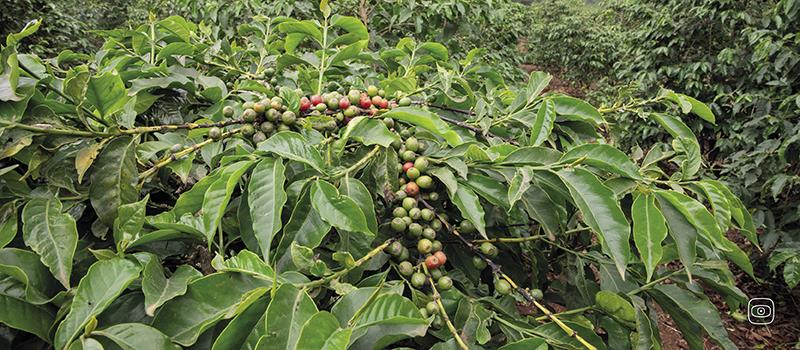
KIAMBU - Across Europe - the world's largest coffee market - millions of people start their day with an espresso or cappuccino. But behind Europeans' ever-growing love affair with coffee lies a bitter truth about environmental degradation and human exploitation.
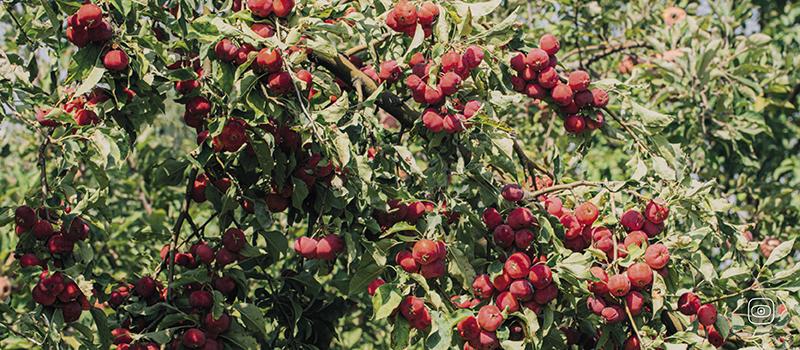
ILE-ALATAU - This project shows that the protection of a special natural heritage – namely the wild apple forests of Kazakhstan, — is in Europe's strong interest, as it might help to make European apple growing more environmentally friendly.
Green Gold Rush - How Kenya Pays the Cost for Europe’s Obsession with Avocados
MURANGO - Kenya, the largest exporter of avocados in Africa and the sixth largest in the world, has seen extensive deforestation as vast tracts of land are converted to avocado farms, and this is just one of the environmental and social costs of Europe's avocado obsession.
Driving Deforestation. European Luxury Cars' Impact on Indigenous Lands
ASUNCIÓN - The investigation reveals the links between the European car industry and massive deforestation in Paraguay's Chaco region. It reveals how major luxury car brands such as BMW and Mercedes-Benz buy leather from Italian companies, which in turn source the material from Paraguayan companies ...
IHOSY - What can possibly be wrong about planting trees? This investigation digs deeper into a conflict unfolding in southern Madagascar, between the local community and an Italian multinational. As similar green projects multiply, this case highlights a critical challenge.
What George Clooney Isn’t Telling Us About Nespresso’s ‘Sustainable’ Coffee'
QUINCHÍA – How sustainable are the sustainability certification programmes set up by the coffee producers themselves — can coffee lovers trust the Nespresso AAA label?
Billionaires Use Hunter-Gatherers to Offset Carbon Emissions
BARAY - Billionaires, luxury tour operators and airlines legitimise their CO₂ emissions with carbon credits from the Hadzabe, a group of hunter-gatherers in Tanzania who hardly emit any CO₂ themselves.
The Timber War: How Industry Influence Threatens Baltic Forests
VILNIUS / RIGA / TALINN – This investigation reveals a complex web of industry influence and political manoeuvring that threatens the future of the Baltic forests. Powerful timber lobbies, backed by industry-funded research and political connections, appear to be shaping the narrative around forest ...
Mozambique Plants More Eucalyptus to Feed Europe's Packaging Demand
CHIMOIO / SANTARÉM – The EU countries consume more cellulose than they produce, and this growing demand is creating new business opportunities for some while resulting in the loss of land for others. This cross-border investigation examines the land grabbing in Mozambique fuelled by the European ...
Shell’s Departure From the Niger Delta: Climate Action or Responsibility Dodging?
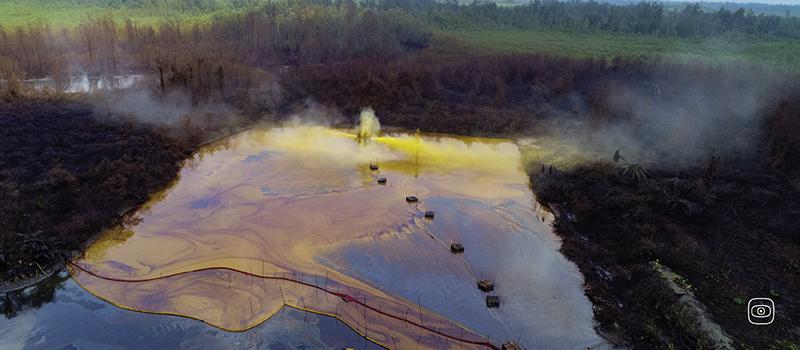
BODO - This investigation, led by a team of journalists with diverse backgrounds, delves into Shell’s divestment strategy in the Niger Delta and its far-reaching effects on communities.
TBILISI / YEREVAN / ODESA / KHERSON – The Silent Threat of Untreated Wastewater investigates the growing public health and environmental crisis caused by untreated wastewater in Armenia, Georgia, and Ukraine.
BERLIN / LONDON - A team of journalists has uncovered extensive financial ties between the fossil fuel industry and medical research. Their data analysis of millions of research articles reveals that over 180 medical papers published between 2019 and 2024 acknowledged fossil fuel funding, with 1000 ...
MILAN / BOLOGNA / BARCELONA / DRESDEN – This investigation looked in the climate action plans of leading cities in Italy, Spain and Germany, scrutinising their use of EU funding, and identifying effective solutions for reducing greenhouse gas emissions.
Data Crunch: The Environmental Cost Of the AI Boom In Europe?
DUBLIN / BARCELONA - AI has exploded but when its cutting edge software is stripped back, carbon intensive hardware is whirring busily behind, at a high cost to the environment. What exactly does it amount to for Europe?
ROTTERDAM - The Netherlands is a hub for Russian whitefish such as cod, and thus indirectly facilitates Russia's war chest. Millions of kilos of Russian fish arrive in the port of Velsen every year, but controls on illegal catches are seriously inadequate.