
This investigation documents the systematic pollution of the White Drin River across its course in Kosovo and its impact on Albania. The research found massive discharges of untreated wastewater, large quantities of plastic waste, and environmental degradation caused by illegal sand and gravel extraction. Laboratory analyses and scientific reports confirmed the presence of heavy metals, chemical pollutants, pharmaceuticals, and PFAS substances in the river water. The problem is closely linked to the lack of wastewater treatment plants, weak law enforcement, and limited cross-border environmental cooperation.
The White Drin River, the longest river in Kosovo, is heavily polluted along its entire course. From its source to its flow into Albania, the river is affected by untreated wastewater discharges, plastic waste, vehicle tyres, inert construction waste etc., and environmental degradation caused by illegal sand and gravel extraction. The investigation was conducted through extensive fieldwork, visiting key pollution hotspots along the river from Radac (Peja) across five local municipalities in Kosovo to Kukës in Albania. During the research, we collected footage, including drone and on-site images, documented environmental conditions, and interviewed local residents, municipal officials, environmental organisations, and environmental experts.
Local communities and officials confirmed that wastewater from urban and rural settlements is often discharged directly into the river due to the lack of functional wastewater treatment plants. Scientific studies and laboratory analyses have also detected heavy metals, pesticides, pharmaceuticals and medical residues in the water samples. The laboratory findings showed the presence of various chemical pollutants originating from agricultural, pharmaceutical and household waste. In addition to these pollutants, the river is heavily contaminated with solid waste such as plastic packaging, vehicle tyres, and various inert construction materials dumped along the riverbanks and into the riverbed. The pollution poses serious threats to ecosystems, public health and economic activities such as fishing, tourism and recreation. Despite existing legal frameworks and cross-border cooperation agreements, enforcement remains weak, allowing pollution sources to continue operating with limited accountability.
Key findings:
- About 98% of wastewater in Kosovo is discharged untreated into rivers.
- Heavy metals, PFAS chemicals, pesticides, pharmaceuticals and medical residues were detected in water samples.
- Around 1,393 hectares of the White Drin basin are degraded.
- Illegal sand and gravel extraction continues along the river.
- Environmental crime penalties remain relatively weak.
- The river is no longer used for recreation by local communities.
- Several fish species have disappeared from the river ecosystem.
- There is insufficient cooperation between Kosovo and Albania to effectively prevent river pollution.
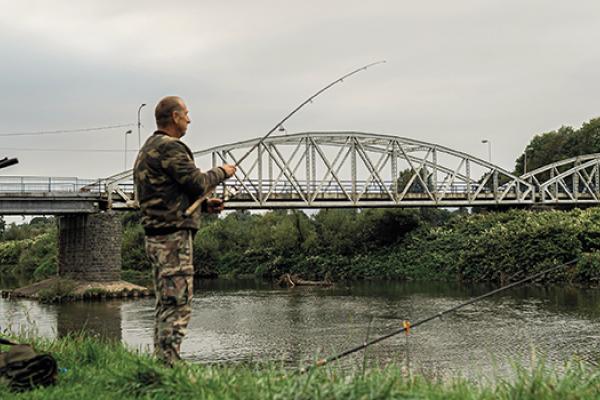
Photo by Besnik Boletini