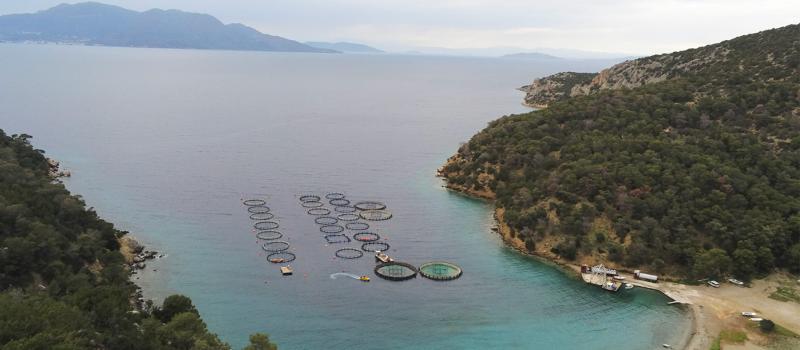

Salmon is Chile's second most exported product, and the country is the world's second largest producer of the fish, after Norway. However, salmon is not native to Chile. The first specimens were imported in the 1980s, and within a few years, exports boomed: between 1990 and 2017, the country's salmon farming industry increased production by almost 3,000%. Today, Chile accounts for 38% of the global salmon market, and over 1 million tonnes of the fish are farmed in the country each year, reaching over 80 countries worldwide. In 2024, Chilean salmon exports generated over $6.3 billion in revenue. In April 2024, a report compiled for the United Nations stated that salmon farms are “one of the main threats to the environment in Patagonia” and that the salmon industry has caused severe environmental and social damage for years, with activists receiving death threats, indigenous peoples whose lands are being polluted and divers being killed at work.
But that's not all: eating fish that have been treated with so many antibiotics can have serious health complications for consumers, even leading to the development of antibiotic resistance, a condition that can easily lead to death. Despite this, the European Union has signed a new agreement (which came into force in February 2025) with the Chilean government led by the progressive Gabriel Boric, which has lowered import duties on Chilean salmon in Europe from 11.5% to 0%. From 2003 to 2024, Chilean salmon imports into the European market grew from $56 million to $204 million. Today, Chilean salmon can be found in European supermarkets and restaurants, especially in Italy, Spain, Portugal, Switzerland and France, the European countries that import the most fish from Chile.
Key findings:
- New agreement entered into force in February 2025 between the European Union and the Chilean government, which lowered tariffs on Chilean salmon imports from 11.5% to 0%.
- Imports of Chilean salmon into the European market grew from $56 million to $204 million between 2003 and 2024.
- Chilean salmon found in European supermarkets and markets, sold in some of the largest chains.
- Dozens of divers have died in Chilean “salmoneras” because minimum safety standards at work are not respected.
- Indigenous communities whose lands and waters have been contaminated and whose populations have been poisoned by drinking contaminated water.
- Extremely high use of antibiotics and chemicals that is contaminating the sea in Patagonia, also killing wildlife (including whales and other endangered species).